If you have stood near a large window in January and felt a cold draft rolling into the room, you already understand why homeowners ask, what are european windows? In practical terms, they are high-performance window systems built around tighter tolerances, more advanced frame engineering, heavier hardware, and glazing packages that typically exceed standard builder-grade products used in Southern Ontario.
That definition matters because the term gets used loosely. A window is not “European” simply because it looks modern or opens inward. True European-format systems are usually defined by how they are designed and assembled: multi-chamber insulated frames, compression seals, tilt-and-turn or lift-slide hardware, thicker glazing units, and a stronger focus on thermal, acoustic, and structural performance.
What are european windows, exactly?
At their core, European windows are performance-first fenestration systems developed to meet stricter expectations for energy efficiency, airtightness, comfort, and security. They are common across many parts of Europe, where colder climates, higher energy costs, and denser urban settings pushed manufacturers toward better thermal insulation and better sound control long before those features became common in North American residential construction.
The biggest difference is not one single feature. It is the complete system. The frame, sash, glass, spacers, gaskets, hardware, and installation method are intended to work together. That is why these windows often feel more substantial when operated and why they tend to perform better in real homes, not just on a brochure.
In premium residential projects, this system-based approach makes a visible difference. Rooms stay more stable in temperature. Outside noise is reduced. Condensation risk is often lower when the product is specified correctly. Sightlines can also be cleaner and more architectural, especially in aluminum systems designed for larger openings.
How European windows differ from standard windows
Most builder-grade North American windows are made to hit a price point. That usually means simpler frame construction, lighter hardware, fewer sealing points, and glass packages that are adequate but not exceptional. European-format windows are typically engineered from the opposite direction. Performance comes first, then aesthetics, then price.
A good example is the way the sash seals against the frame. Many European systems use compression gaskets around the perimeter, creating a tighter closure when locked. That tighter seal helps reduce air infiltration, which is a major reason some homes feel drafty even when the windows are relatively new.
Another difference is hardware. Tilt-and-turn systems, which are common in European windows, rely on perimeter hardware that pulls the sash into the frame more evenly than simpler operating styles. The result is a more secure seal and a more controlled opening function. For homeowners, that translates into better comfort and easier ventilation. For architects, it supports a cleaner exterior expression without sacrificing performance.
The frame itself is also different. In premium PVC-U systems, profiles often use multiple internal chambers to slow heat transfer. In architectural aluminum systems, thermal breaks are essential to separate interior and exterior temperatures. These are not cosmetic details. They are part of how the window resists heat loss in winter and heat gain in summer.
The features that define European-format performance
Triple-pane glass is one of the most recognized features, but it is only part of the story. A high-performing insulating glass unit may also include argon-filled chambers, Low-E coatings, and warm-edge spacer technology. Together, those components improve the window’s overall thermal efficiency and help keep interior glass surfaces warmer during cold weather.
That interior glass temperature matters more than many people realize. When the inside pane stays warmer, the room feels more comfortable near the window. You are less likely to notice radiant cold, and the HVAC system does not have to work as hard to compensate for weak envelope performance.
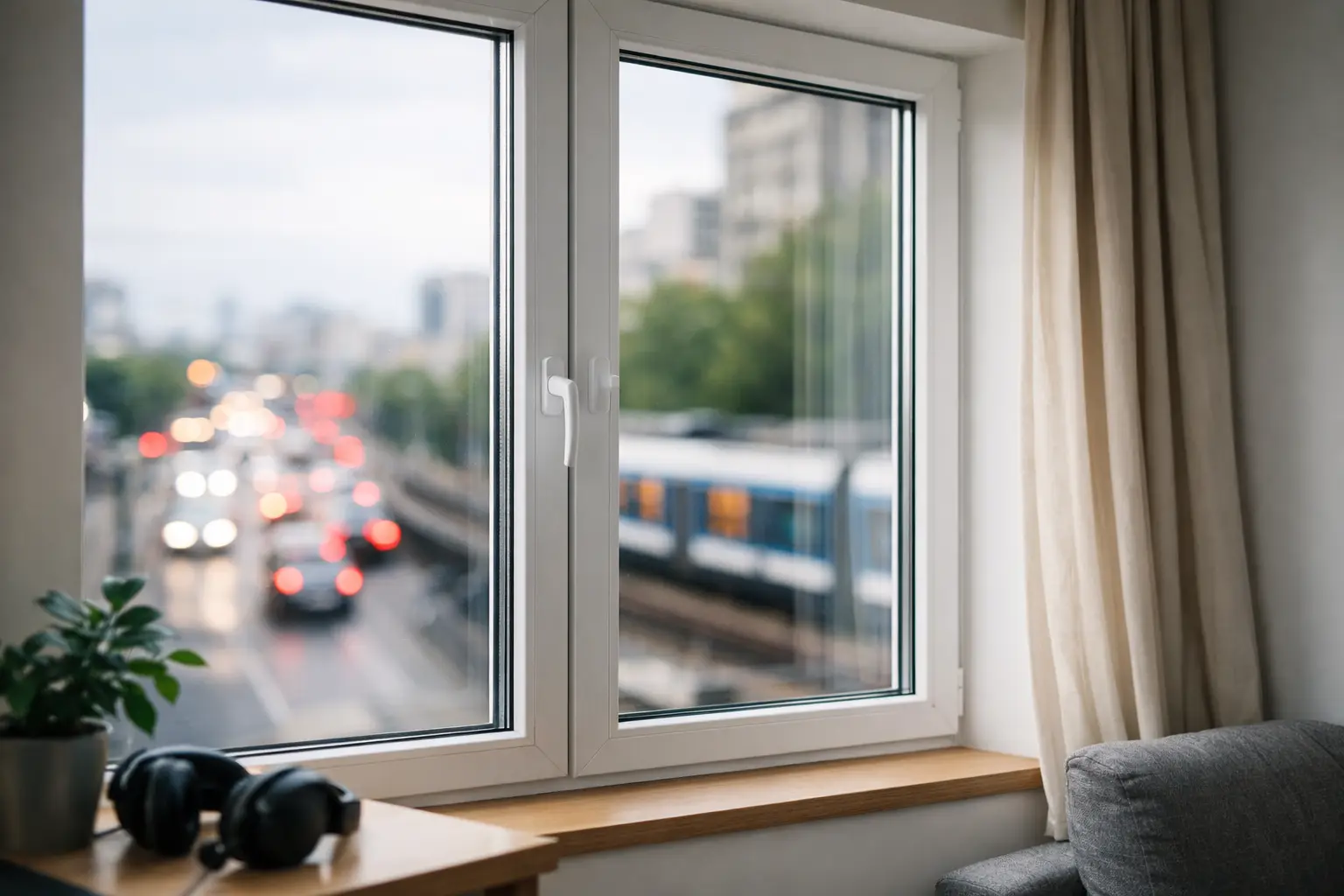
Acoustic performance is another major reason buyers move toward European windows. In Southern Ontario, traffic, rail corridors, wind exposure, and tighter lot lines can all affect how quiet a home feels. Heavier frames, improved seals, and thicker glazing packages can make a meaningful difference, especially in bedrooms, home offices, and rear façades facing busy roads.
Security is also part of the package. European hardware systems are often more sophisticated than entry-level window hardware, with multiple locking points and stronger overall sash engagement. That does not make every product identical, but it does raise the baseline when compared with simpler mass-market units.
Why they suit Southern Ontario homes
Southern Ontario presents a wide mix of demands. Winter cold, summer humidity, shoulder-season temperature swings, and urban noise all put pressure on the building envelope. In that environment, windows need to do more than let in light.
Homes in Hamilton, Niagara, and the western GTA often face one or more familiar issues: cold rooms near glazing, draft complaints, condensation at the perimeter, outside noise, and dated window profiles that do not match modern renovation plans. European-format systems address these issues well because they are designed with envelope performance in mind from the start.
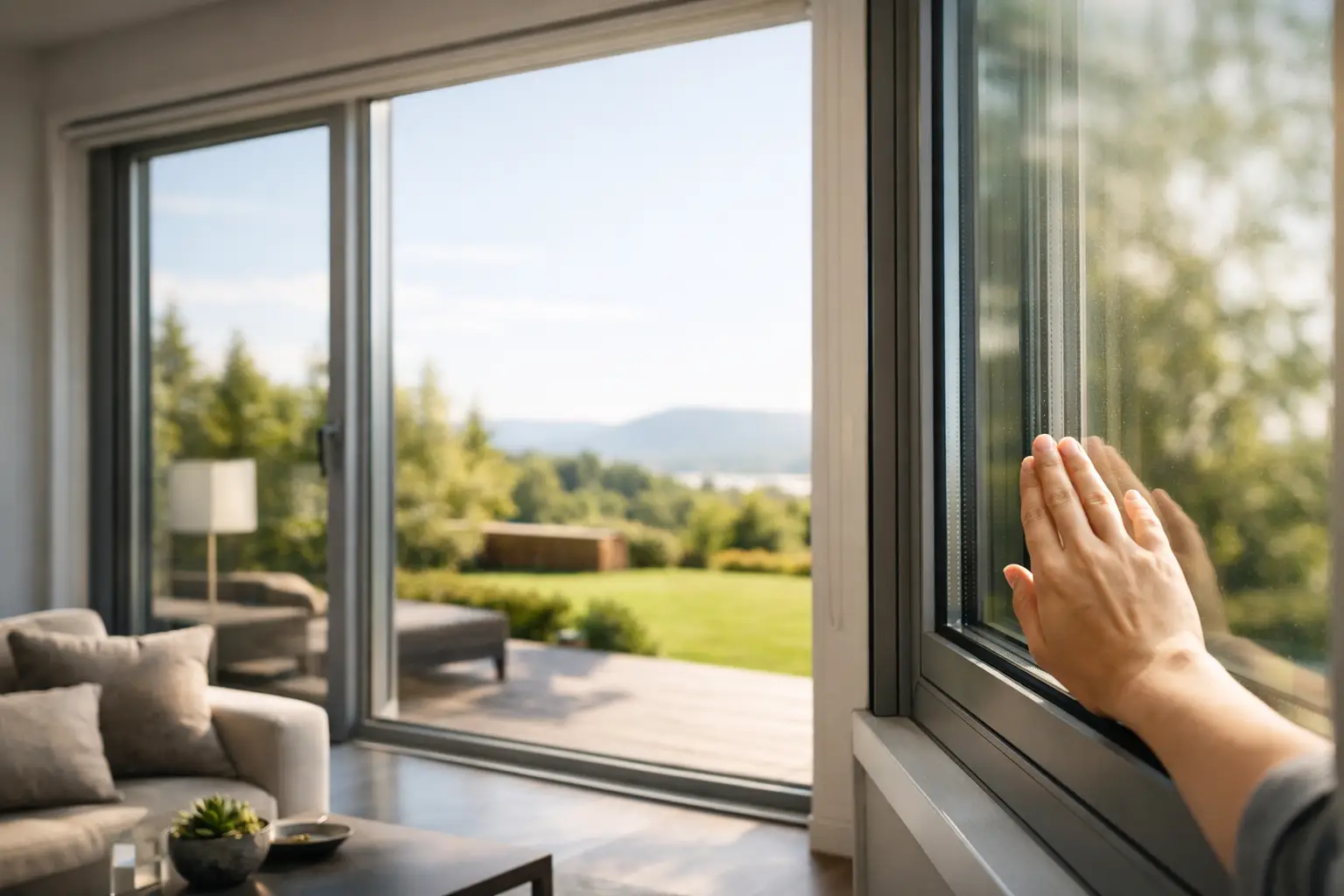
They are also well suited to custom homes and upscale renovations where large glass areas are part of the design intent. Standard products can struggle as openings get larger and expectations rise. Premium European systems in PVC-U or thermally broken aluminum are better equipped for oversized units, panoramic glazing, and cleaner contemporary façades.
That said, product selection still depends on the project. A heritage renovation may need a different visual approach than a minimalist new build. A lakefront home with wide views may call for large-format aluminum assemblies, while a family renovation focused on warmth and low maintenance may be better served by a reinforced premium vinyl system.
What are european windows made from?
The two most common categories are premium PVC-U and architectural aluminum. Each has strengths, and the right choice depends on budget, design goals, opening size, and performance requirements.
PVC-U systems are often chosen for their strong thermal properties, low maintenance, and substantial frame insulation. In well-engineered profiles from established European brands, they can offer excellent everyday comfort and energy performance for renovations and custom homes alike.
Aluminum systems are usually selected when sightlines, structural capacity, and large-scale glazing are priorities. They can support a more refined architectural expression and larger expanses of glass, but they must be properly thermally broken and correctly specified for the climate. High-end aluminum performs very differently from basic aluminum. That distinction matters.
Some projects also involve steel or steel-look systems, especially where slim profiles and a particular architectural language are part of the brief. These are highly specialized solutions and are typically used in premium applications where aesthetics and structural precision are central to the design.
The trade-offs homeowners should understand
European windows are better, but they are not automatically the right answer for every project. The first trade-off is price. Higher-spec frames, better glass, stronger hardware, and specialized installation all increase cost. If the goal is simply to replace a few secondary windows at the lowest possible budget, a true European-format system may feel excessive.
The second trade-off is weight and complexity. Triple-pane units and advanced hardware are heavier, and proper installation is even more critical. A premium product installed poorly will not deliver its full value. This is especially relevant in large openings, where structural conditions, tolerances, and waterproofing details need careful attention.
Operation style can also be an adjustment. Tilt-and-turn windows offer excellent performance and versatility, but they operate differently from common sliders or double-hungs. Most homeowners adapt quickly, though it is worth understanding before specifying an entire house.
There is also the question of return on investment. The value is often strongest for homeowners planning to stay, those pursuing a high-end renovation, or those trying to solve persistent comfort and noise issues. The payoff is not only in utility savings. It is in how the home feels every day.
When European windows make the most sense
They make the most sense when builder-grade performance is no longer acceptable. That may be because the house is cold near the glass, because street noise is affecting sleep, because the design calls for larger and cleaner openings, or because the project budget supports a longer-term investment in envelope quality.
They are especially relevant in custom builds, full façade upgrades, and renovations where windows are central to the architectural result. In these cases, the difference between a standard unit and a well-specified European-format system is not subtle. It shows up in comfort, in appearance, and in how the assemblies perform through multiple Ontario winters.
For design-conscious homeowners and architects, the appeal is straightforward. European windows combine technical depth with visual restraint. They are engineered products, but they also support better spaces – brighter rooms, quieter interiors, and glazing that feels intentional rather than merely installed.
For buyers comparing options, the smartest question is not whether the window is marketed as European. It is whether the actual system delivers the things that matter: insulated frames, advanced glazing, strong seals, refined hardware, and installation quality that matches the product. When those pieces align, the result is a home that feels warmer, quieter, and far more resolved.
If you are investing in windows once and expecting them to perform for decades, that is the standard worth aiming for.