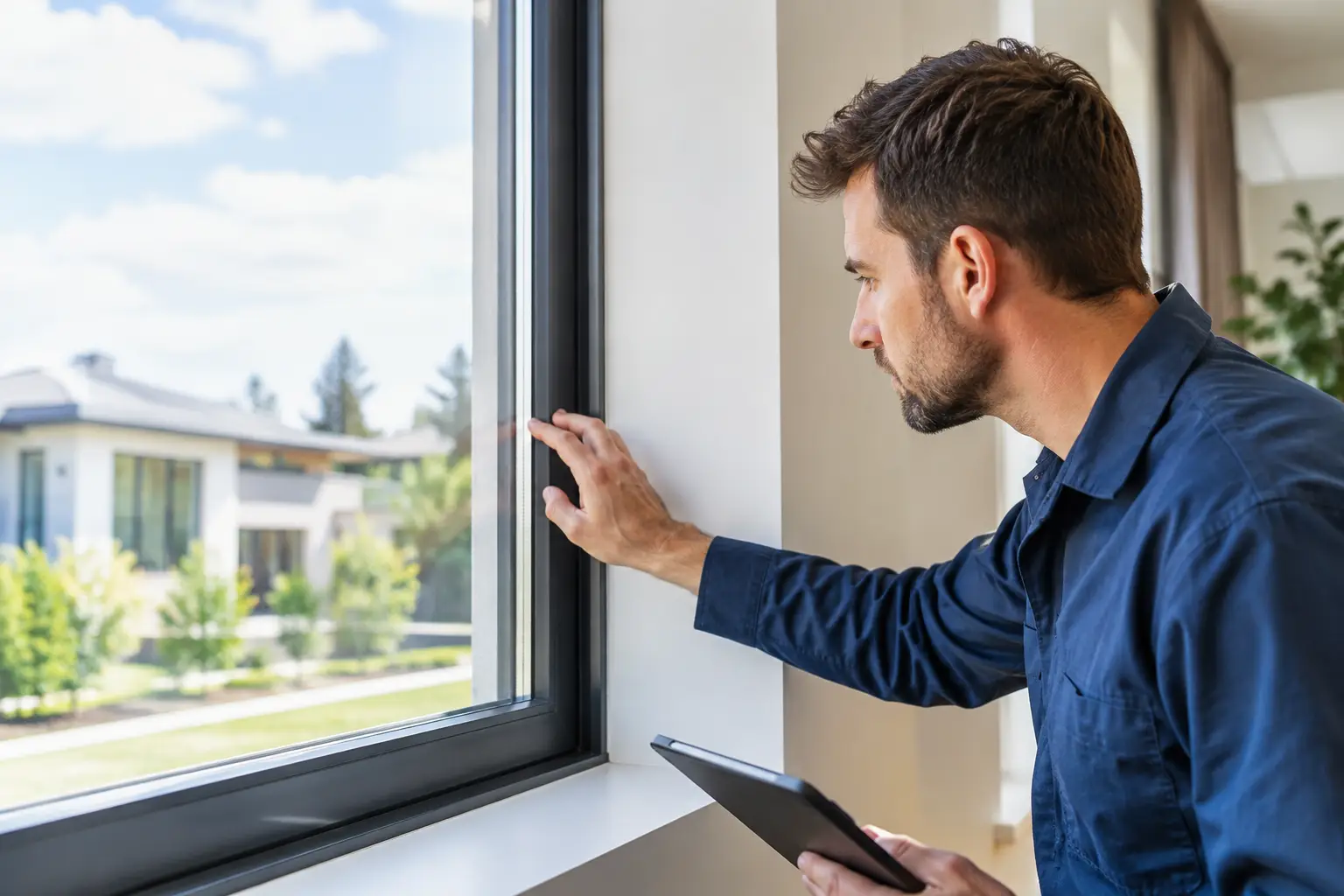
A west-facing living room that overheats in July and feels cold beside the glass in January usually has the same problem – the window system is not keeping up with the house. That is where triple pane windows benefits become easy to measure. You feel less radiant chill, hear less street noise, and rely less on the HVAC system to correct what the glazing should have handled in the first place.
For homeowners planning a serious renovation or a custom build, triple-pane glazing is not a cosmetic upgrade. It is a performance decision tied to comfort, energy use, acoustics, and even how large glazed openings can function in everyday conditions. The real question is not whether three panes are better than two in theory. It is whether the full window assembly, frame, spacer, seals, hardware, and installation justify the added specification in your project.
What triple-pane glass actually changes
A triple-pane insulated glass unit uses three layers of glass instead of two, creating two sealed cavities rather than one. Those cavities are typically filled with argon, and the glass surfaces often include Low-E coatings that reflect heat back toward its source. Warm-edge spacer technology also matters because the edge of the glass is one of the weakest thermal points in the assembly.
That combination reduces heat transfer more effectively than standard double glazing. In practical terms, the interior glass surface stays warmer during cold weather. That single change has a large effect on how a room feels, even before you look at energy numbers.
The strongest results come when triple-pane glass is paired with insulated frames, reinforced PVC-U profiles, or thermally broken aluminum systems. Glass alone does not carry the whole load. A premium European-format window with strong compression seals and precise hardware will usually perform very differently from a builder-grade unit that simply adds another pane.
The most noticeable triple pane windows benefits
The first benefit most homeowners notice is thermal comfort. A room with high-performance triple-pane windows tends to feel more even from wall to wall, especially in winter. You can sit near the glass without that familiar cold-zone effect, because the inner pane is less affected by outdoor temperatures.
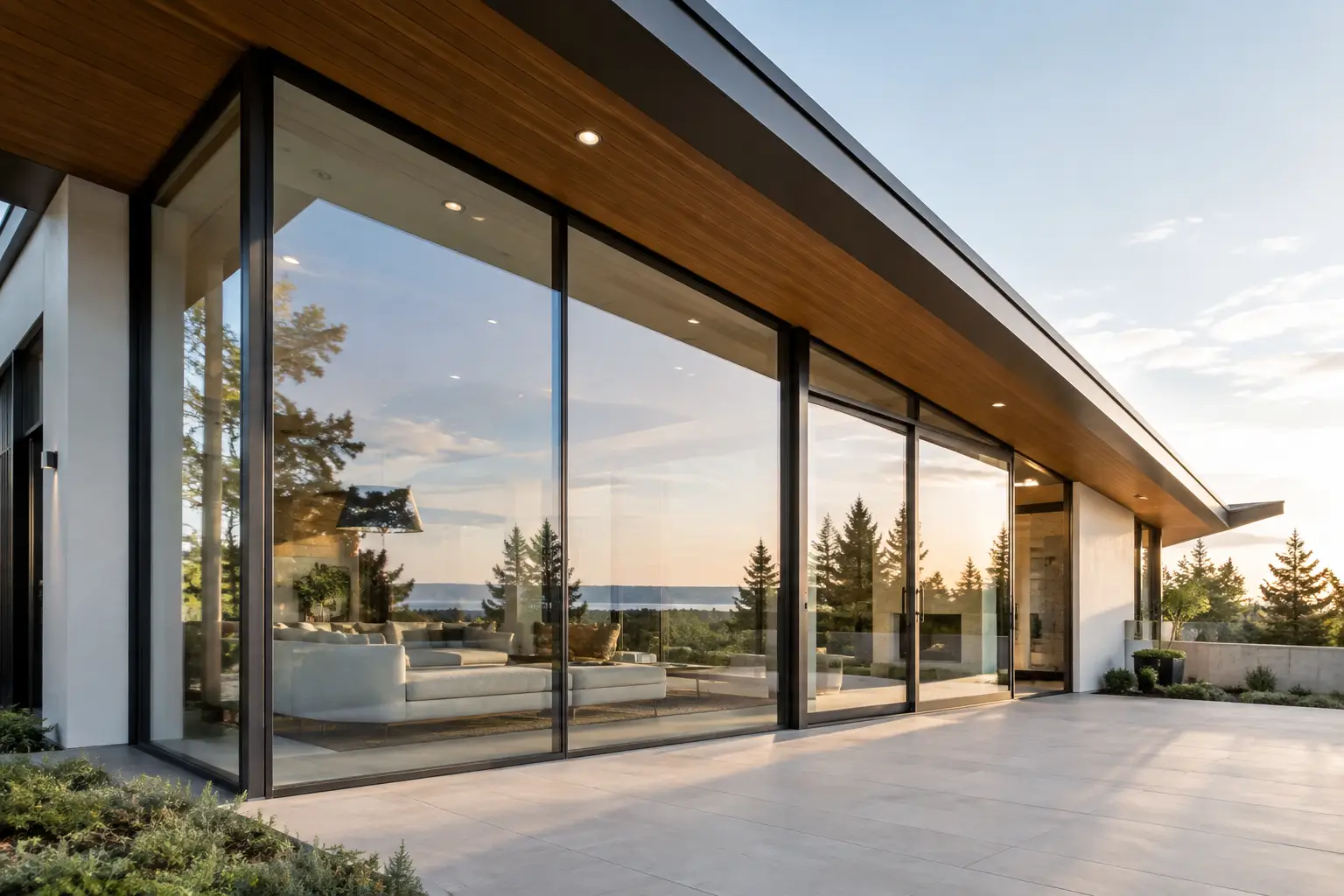
That matters in houses with large fixed windows, corner glazing, or panoramic sliders where glass takes up a substantial part of the envelope. Better glass temperatures can make those architectural choices feel luxurious rather than compromised.
The second major benefit is noise reduction. Triple-pane units often improve acoustic performance, particularly when the glass build-up includes varied thicknesses or specialized acoustic layers. If your home faces a busy road, rail corridor, school, or dense urban street, the difference can be significant. Not every triple-pane package is automatically quiet, but the format gives more room to engineer for sound control.
Energy efficiency is the third benefit people look for, and it is real, though it needs context. Triple-pane windows generally reduce heat loss better than double-pane alternatives, which can lower heating demand in colder regions. In a Southern Ontario climate, that can support lower seasonal energy use and better interior stability. The savings are usually gradual rather than dramatic month to month, so comfort is often the more compelling return.
Condensation resistance is another practical gain. Because the interior glass surface stays warmer, there is less opportunity for moisture in the air to collect on the pane. This does not eliminate condensation in every case – indoor humidity, air circulation, and installation details still matter – but high-performance triple glazing can reduce a common winter complaint.
Why comfort matters more than the brochure numbers
Window performance is often sold through U-values, solar heat gain coefficients, and centre-of-glass ratings. Those figures are useful, but homeowners live with sensations, not data sheets. If the room feels drafty, if the floor by the window is cold, or if one elevation of the house is always harder to heat, the technical rating has to translate into a better daily experience.
Triple-pane glazing helps because it addresses both conductive heat loss and the perceived discomfort caused by a cold interior surface. That distinction matters. Even when a room reaches the thermostat setting, it can still feel cool if the glazing is pulling radiant heat away from occupants nearby.
This is why premium projects often specify triple-pane windows in principal living areas, bedrooms, and large openings first. The value is not only lower energy demand. It is a house that feels properly finished.
Where triple-pane windows make the most sense
Not every opening has the same priorities. Triple-pane windows benefits are strongest where exposure, size, and usage justify the added performance. North-facing elevations, wind-exposed façades, oversized fixed units, bedrooms facing traffic, and homes with extensive glazing usually see the clearest gains.
They also make sense in custom homes designed around clean lines and larger expanses of glass. The more ambitious the glazing design, the less margin there is for average window performance. A premium envelope needs window systems that can support the architecture without introducing cold spots, acoustic issues, or excessive seasonal energy loss.
For renovations, the case is often strongest when replacing older double-pane or builder-grade vinyl units that have weak seals, limited frame insulation, or dated hardware. In that context, the improvement can feel substantial because several weaknesses are being corrected at once.
The trade-offs homeowners should understand
The main trade-off is cost. Triple-pane windows are more expensive than standard double-pane units, and the premium rises further when you move into better frame systems, stronger hardware, and larger custom configurations. For some projects, especially budget-sensitive replacements in secondary spaces, that extra cost may not deliver the same practical return.
Weight is another consideration. Triple-pane insulated glass units are heavier, which can affect sash sizing, hardware demands, and frame engineering. In quality systems this is accounted for, but it reinforces why product selection and installation competence matter. A heavy glass package in a mediocre frame is not a premium solution.
Solar gain also needs attention. In some orientations, especially on homes that benefit from passive winter sun, glass specification should be considered carefully. More insulating glass is not always the whole story. The right Low-E configuration depends on orientation, shading, and the thermal strategy of the home.
This is where specification matters more than shorthand marketing. Triple-pane is a category, not a guarantee.
Why the whole window system matters
A high-performance glass package performs best when the surrounding components are equally strong. Reinforced PVC-U frames from systems such as VEKA or Kömmerling can deliver excellent insulation with clean sightlines and strong weather sealing. Thermally broken aluminum systems are often chosen where architecture demands slimmer frames, larger spans, or a more contemporary exterior language.
Spacer technology, gasket quality, weld integrity, drainage design, and hardware precision all affect long-term results. So does installation. Poor perimeter sealing or sloppy shimming can undermine the very performance the glass was meant to deliver.
This is especially relevant for large-format glazing and panoramic openings. Once spans grow and sightlines sharpen, tolerances matter. The premium buyer is not just paying for another pane of glass. They are paying for a system that remains warm, quiet, stable, and visually refined over time.
Is the upgrade worth it?
For many upscale renovations and custom residential projects, yes – especially when comfort, acoustics, and envelope quality are priorities. The strongest value appears in homes where owners notice cold-window discomfort, outside noise, and inconsistent temperatures, or where the architecture relies on larger expanses of glazing.
If the goal is simply to replace a few small openings at the lowest possible cost, triple-pane may not be the first lever to pull. But if the goal is a quieter bedroom, a warmer great room, or a better-performing façade for a long-term home, the upgrade becomes much easier to justify.
At the premium end of the market, triple-pane glazing is often less about chasing a simple payback calculation and more about bringing the house up to the standard the rest of the design already suggests. That is where ECOWIN typically sees the difference matter most – when the window package is expected to support both performance and architecture without compromise.
The right decision usually comes down to this: if you are investing in better materials, larger openings, and a more refined building envelope, the windows should not be the weak point. Triple-pane glazing will not fix every problem on its own, but in the right system, it can make a home feel noticeably warmer, quieter, and more complete every single day.