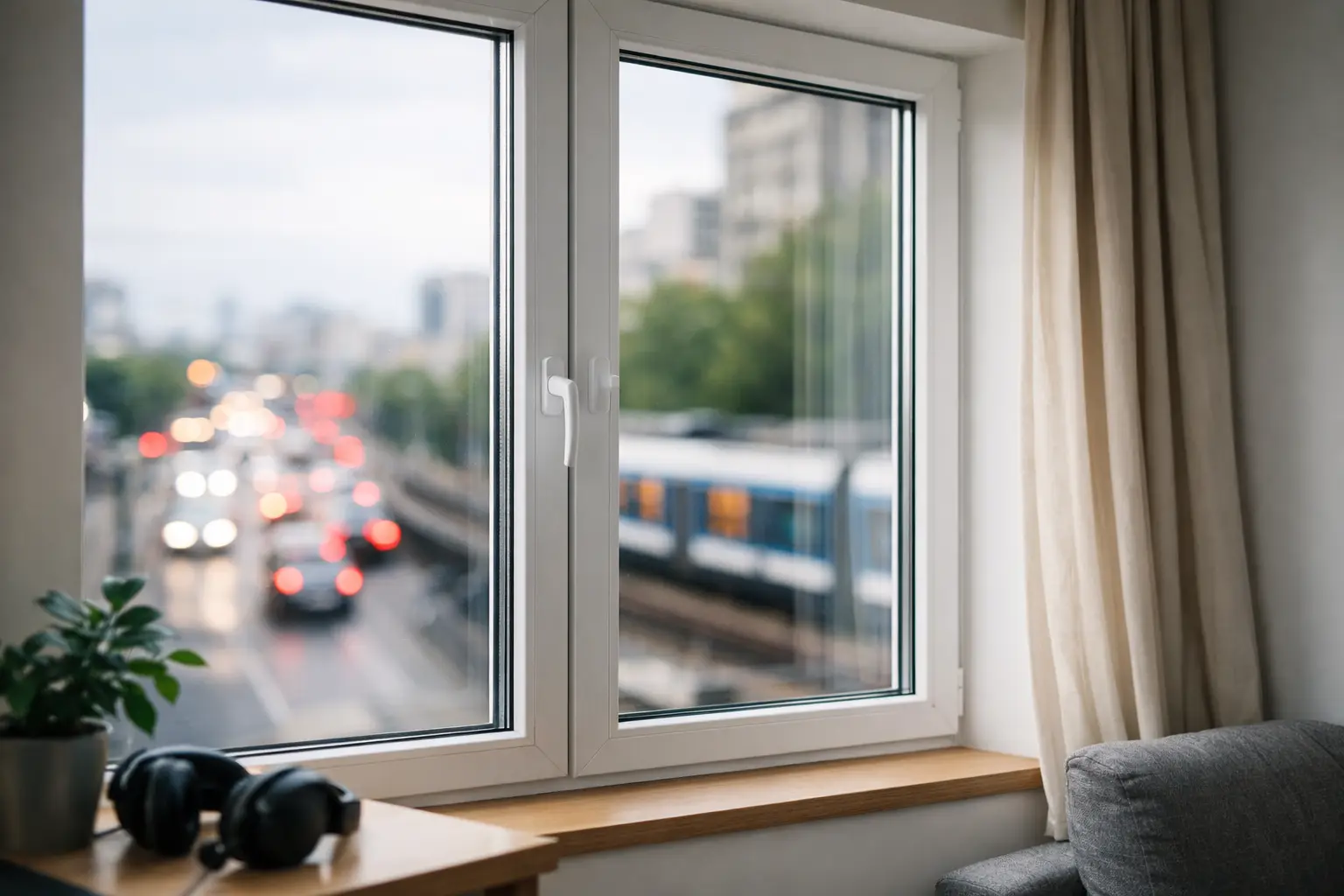
If your rooms feel cold near the glass in January, or street noise carries farther into the house than it should, the real issue is often not age alone. It is specification. The difference in builder grade vs premium windows shows up in everyday comfort long before you look at a brochure or a price sheet.
For many homeowners, builder-grade windows are simply the default package that came with the house. They are designed to meet a target price and satisfy minimum code or project requirements. Premium windows are designed around performance first – better thermal control, stronger frame construction, tighter seals, more refined hardware, and cleaner architectural proportions. That does not mean every home needs the most expensive system on the market. It does mean the gap between these two categories is wider than many buyers expect.
Builder grade vs premium windows: what actually changes?
The most meaningful differences are not cosmetic. They are built into the frame, the glazing package, the hardware, and the installation approach.
A builder-grade window is typically a cost-controlled product. In many cases, that means a lighter frame, a basic double-pane sealed unit, simpler weatherstripping, and hardware intended for standard use rather than repeated long-term adjustment. These windows can perform adequately in a mass-market subdivision home, especially when they are new. The problem is that adequacy often becomes compromise once seasons, sun exposure, and air leakage start to reveal themselves.
A premium window is usually engineered with a thicker profile, more internal chambers, stronger reinforcement, better corner stability, and a more sophisticated insulating glass unit. In practical terms, that can mean triple-pane glass, argon-filled cavities, Low-E coatings, warm-edge spacer technology, insulated frames, and compression seals that hold up better over time. On operable units, it can also mean European hardware that closes more evenly and creates a tighter perimeter seal.
This is why two windows can look similar from the driveway but perform very differently from inside the home.
Thermal performance is where homeowners feel the difference first
People often shop windows by appearance and then judge them by temperature. That makes sense. Comfort is immediate.
Builder-grade windows commonly rely on entry-level double glazing with standard spacers and modest frame insulation. They may meet code, but code is not the same as high performance. In a Southern Ontario winter, a basic package can still leave the interior glass colder than expected, especially on north-facing elevations or in large openings.
Premium windows are built to reduce that cold-zone effect. Triple-pane IGUs, Low-E coatings, argon gas fills, and warm-edge spacers help keep interior glass temperatures more stable. Better insulated PVC-U or thermally broken aluminum systems also reduce heat transfer through the frame itself. The result is not just a better energy number on paper. It is a room that feels more usable near the window, with fewer drafts and less radiant chill.
That said, there is an it-depends factor here. Not every opening in every home needs the same specification. A modest bedroom facing a sheltered backyard may not justify the same glazing package as a large west-facing living room with expansive glass. Premium does not mean overbuilding everything. It means matching the product to the exposure, the architecture, and the performance target.
Noise control is often the hidden reason people upgrade
Many replacement projects begin with complaints about drafts, but noise is often what convinces homeowners they chose the right system.
Builder-grade windows tend to offer limited acoustic control because the glass makeup is basic and the air sealing is less precise. If you live near traffic, rail lines, schools, or busy neighbourhood streets, that weakness becomes obvious. Even when the window is closed, outside sound can remain surprisingly present.
Premium windows improve acoustic comfort in two ways. First, they create a tighter seal at the sash and frame. Second, they allow for more advanced glazing configurations, including thicker glass, wider cavities, and in some cases asymmetrical pane combinations. Triple-pane assemblies can help, but acoustic performance depends on the exact build-up, not just the pane count. A well-specified premium window can make a living room, bedroom, or home office feel markedly quieter.
For custom homes and view-oriented renovations with larger glass expanses, this matters even more. Bigger openings are more demanding. If the framing, seals, and glass package are not properly engineered, comfort and sound control tend to suffer.
Materials and hardware separate short-term value from long-term value
Window quality is not only about glass. Frame material and hardware quality have a major effect on longevity, operation, and appearance.
Builder-grade vinyl windows often use thinner profiles and simpler reinforcement strategies. The frames may be serviceable, but they are not always ideal for larger units, darker exterior colours, or demanding exposures. Over time, lower-grade components can contribute to stiffness, seal fatigue, or less consistent operation.
Premium systems typically use more refined profile engineering. Reinforced PVC-U frames from established European-format systems such as VEKA or Kömmerling are designed for better dimensional stability, stronger welds, and improved insulation. On the aluminum side, architectural systems from brands such as Aluprof, Reynaers, or Schüco are built for larger spans, slimmer sightlines, and more demanding design applications while maintaining thermal performance through advanced thermal breaks.
Hardware is another dividing line. Basic hardware does the minimum: open, close, lock. Premium hardware is designed for smoother operation, more secure engagement, and a tighter closure pattern around the perimeter. That matters on tilt-and-turn windows, large casements, and oversized doors where even pressure and proper gasket compression directly affect comfort.
Aesthetics are not superficial when architecture matters
In a custom build or a serious façade upgrade, windows are not just utility items. They are part of the design language of the house.
Builder-grade windows often have heavier sightlines, limited colour options, and size constraints that can interrupt an elevation. Grille styles, frame proportions, and operating formats are usually selected for production efficiency, not architectural refinement.
Premium windows give architects and homeowners more control over proportion, finish, and scale. Slimmer profiles can bring in more glass and less frame. Larger units can support contemporary designs that prioritize daylight and views. More consistent detailing across fixed, operable, and sliding elements creates a cleaner exterior and interior expression.
This is where premium products justify themselves beyond performance metrics. If the goal is a modern renovation, a lake-facing opening wall, or a home with carefully composed lines, a standard builder-grade package will often look exactly like what it is – a budget compromise in a premium envelope.
Installation can either protect the investment or weaken it
A premium window installed poorly will not deliver premium results. That is one of the most important realities in this comparison.
Builder-grade projects are often installed under schedule pressure. In production settings, speed can take priority over project-specific detailing. That may be enough for a standard opening in a new subdivision build, but it is not the same as a careful replacement scope or a custom glazing package integrated into a high-value façade.
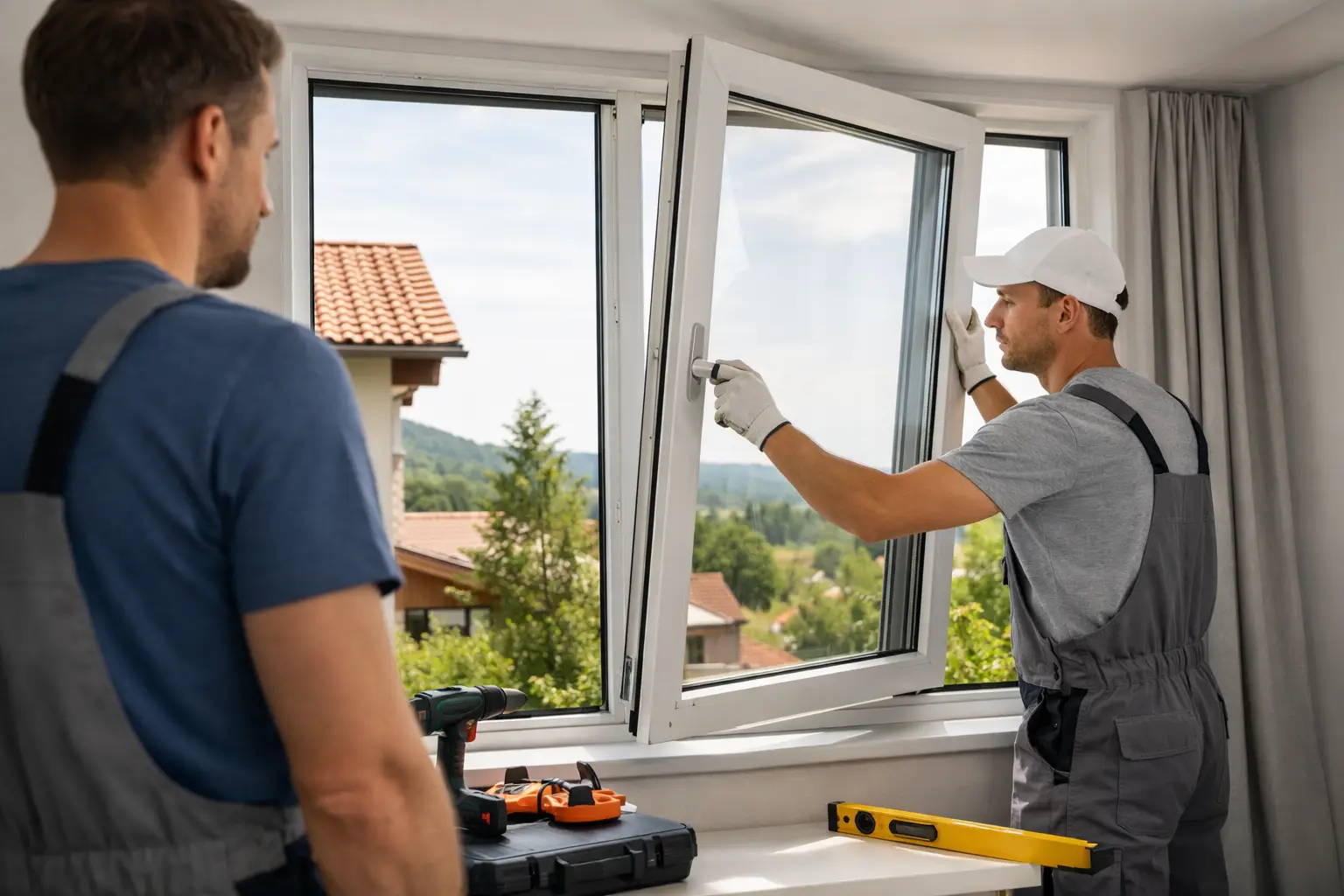
Premium installations should account for air sealing, shimming, structural support, waterproofing transitions, and the interface between the window and the wall assembly. This becomes even more critical on oversized units, aluminum systems, panoramic sliders, and homes with higher design expectations. The product matters, but execution matters just as much.
That is one reason informed buyers work with firms that understand both specification and installation. At the premium end of the market, the installer is not simply placing a window into a hole. They are protecting thermal performance, sightline accuracy, weather resistance, and long-term operation.
Is premium always worth it?
Not always, and that is the honest answer.
If you are replacing a few secondary windows in a lower-priority area of the home, a mid-range solution may be enough. If the house is being prepared for a short-term sale, the return on a top-tier system may not fully materialize in your ownership period. And if the wall assembly itself is underperforming, windows alone will not solve every comfort problem.
But premium windows are usually worth it when the home is long-term, the openings are large, the existing windows are noticeably drafty or noisy, or the architecture deserves better proportions and finishes. They are also worth serious consideration when you want more than code-minimum performance – warmer interiors, quieter rooms, stronger security, and a visibly more refined result.
That is especially true in climates with meaningful heating seasons and strong temperature swings. In those conditions, the gap between basic compliance and high performance is not theoretical. You feel it every day.
When comparing builder grade vs premium windows, the right question is not which one costs less today. It is which one fits the standard of the home you want to live in for the next decade.