A lot of homeowners start shopping for replacement windows after the first cold spell, when the glass feels chilly, the room near the opening never quite stabilizes, and outside noise seems to pass straight through. That is usually when builder-grade units stop looking like a minor detail and start feeling like a daily compromise. Kömmerling windows for homes enter the conversation at a different level – not as a basic replacement, but as a higher-performance system for people who want better thermal comfort, cleaner sightlines, and a longer-term upgrade.
Kömmerling is well known in the European window category for PVC-U profile engineering that prioritizes insulation, structural stability, weather resistance, and refined design. For residential projects, that matters because the profile is not just a frame around the glass. It is a major part of how the entire window manages heat loss, condensation resistance, air infiltration, sound control, and overall durability.
Why Kömmerling windows for homes stand out
The difference usually starts with the frame itself. Standard residential windows often rely on thinner profiles, simpler internal chambers, and lower-grade hardware. They can look acceptable on day one, but performance tends to reveal the gap over time, especially in climates that bring real winter exposure, summer humidity, and strong wind loads.
Kömmerling PVC-U systems are designed with multi-chamber profiles that help reduce thermal transfer through the frame. In practical terms, that supports a warmer interior surface temperature during winter and helps limit the cold-edge effect many homeowners feel when standing beside older windows. When paired with a proper triple-pane insulated glass unit, argon gas fill, Low-E coatings, and warm-edge spacers, the result is a window package built for serious energy performance rather than minimum code compliance.
That does not mean every home needs the most aggressive specification available. A sheltered suburban renovation has different demands than a custom home with expansive glazing and heavy wind exposure. But if the goal is to move well beyond commodity-grade performance, Kömmerling profiles give a strong foundation.
What performance means in everyday use
Premium window specifications only matter if they change how the house feels. This is where many homeowners notice the value quickly.
Thermal comfort is the first benefit. A well-built Kömmerling system can reduce drafts, moderate interior glass temperatures, and help rooms hold a more even temperature. That is especially relevant in large living spaces, bedrooms with oversized openings, and homes where the glazing area has increased during a renovation.
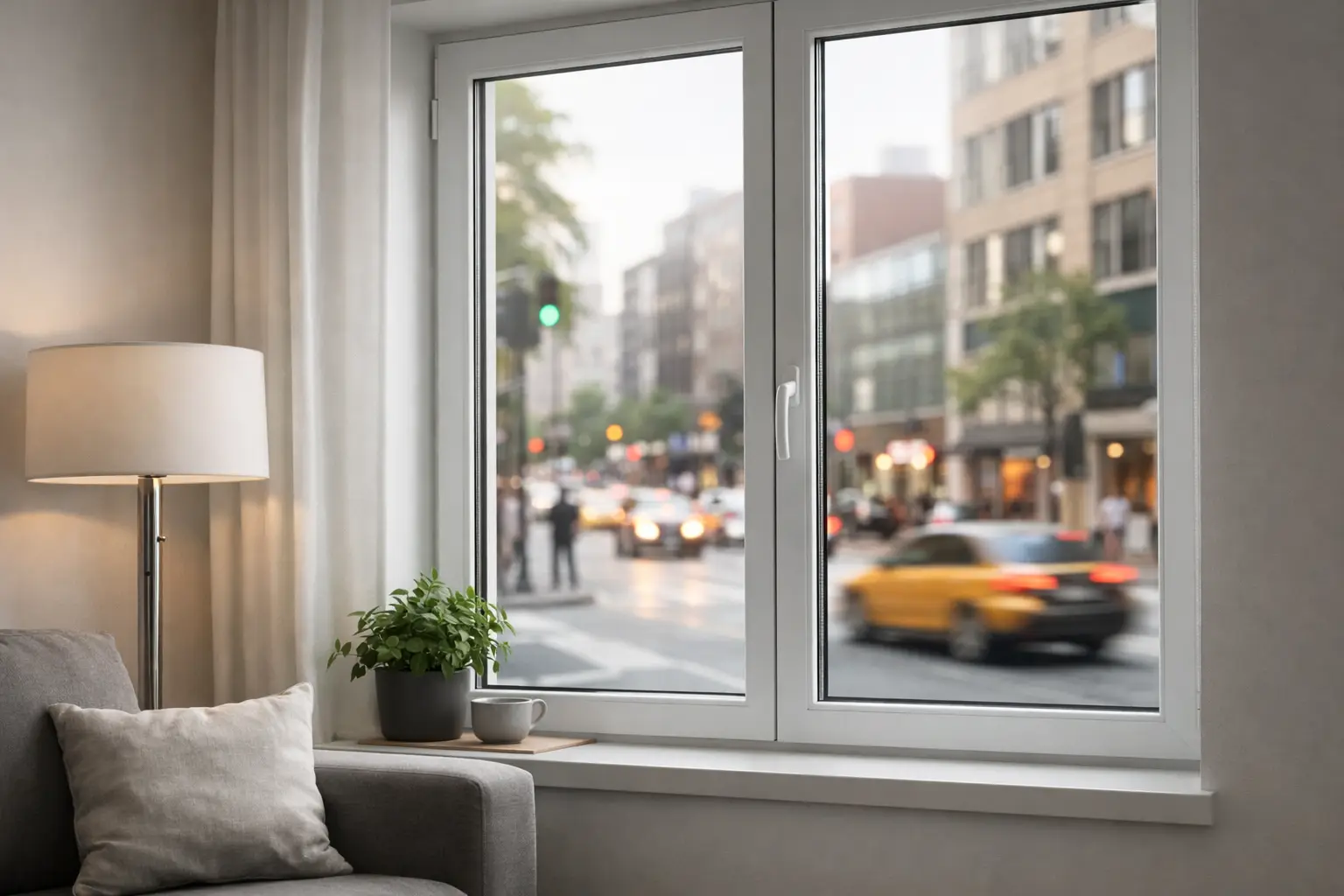
Acoustic control is another major advantage. The frame design, compression seals, and insulated glazing package all contribute to lower sound transmission. If the home faces a main road, backs onto a busy area, or simply needs more privacy and calm, the improvement can be substantial. It depends on the full window build, not the profile alone, but better systems start with better framing.
Then there is air and water tightness. This is one of the less visible but more important distinctions between premium European-format windows and standard products. Better seals and more precise hardware engagement help the sash close with greater consistency. That supports energy efficiency, comfort, and durability in rough weather.
Where Kömmerling windows make the most sense
Not every project calls for the same material or window style. Kömmerling windows for homes are often a strong fit when the homeowner wants elevated performance without moving fully into aluminum for every opening.
They work particularly well in full-home renovations where draft reduction, energy efficiency, and sound control are priorities. They are also a smart choice for custom homes that want a crisp contemporary look with stronger thermal values than many standard systems can provide.
For traditional houses, the benefit is often comfort and efficiency first, with aesthetics following close behind. For modern homes, the appeal can include cleaner geometry, better hardware, and a more architecturally resolved finish. The exact fit depends on the design language of the home, the desired sightlines, and the size of the openings.
There are projects, however, where aluminum may be the better answer, especially for very large spans, highly exposed elevations, or a specific architectural expression. That is not a weakness of Kömmerling. It is simply good specification practice. The right window system should match the opening, the façade, and the performance target.
Design flexibility and visual quality
Many homeowners assume high-performance vinyl windows will look bulky. That concern comes from older or lower-tier products. Better European-format PVC-U systems are more refined than that assumption suggests.
Kömmerling profiles are typically engineered to balance insulation with structural integrity and a cleaner visual result. Depending on the series and configuration, you can achieve a more contemporary appearance than what people often associate with conventional residential vinyl. The frame proportions, glazing bead detail, and hardware quality all affect the final look.
This matters on upscale homes where windows are not just functional inserts but a major part of the exterior composition. Large glass areas, corner conditions, and carefully aligned openings demand products that hold their own visually. A premium profile system supports that outcome better than a basic replacement window designed around cost control.
Interior experience matters too. Better windows improve more than the exterior façade. They can make rooms feel brighter, calmer, and more finished, particularly when the sightlines are cleaner and the hardware operation feels precise instead of loose or strained.
The role of glass, hardware, and installation
A window should never be judged by profile branding alone. Kömmerling is a strong starting point, but the final performance depends on the full assembly.
Glass specification is critical. Triple-pane units with Low-E coatings, argon-filled chambers, and warm-edge spacer technology can dramatically improve thermal performance and reduce condensation risk. But glass also needs to be selected for orientation. South-facing windows may need different solar control than north-facing ones. Privacy requirements, glare, and the size of the opening all influence the right package.
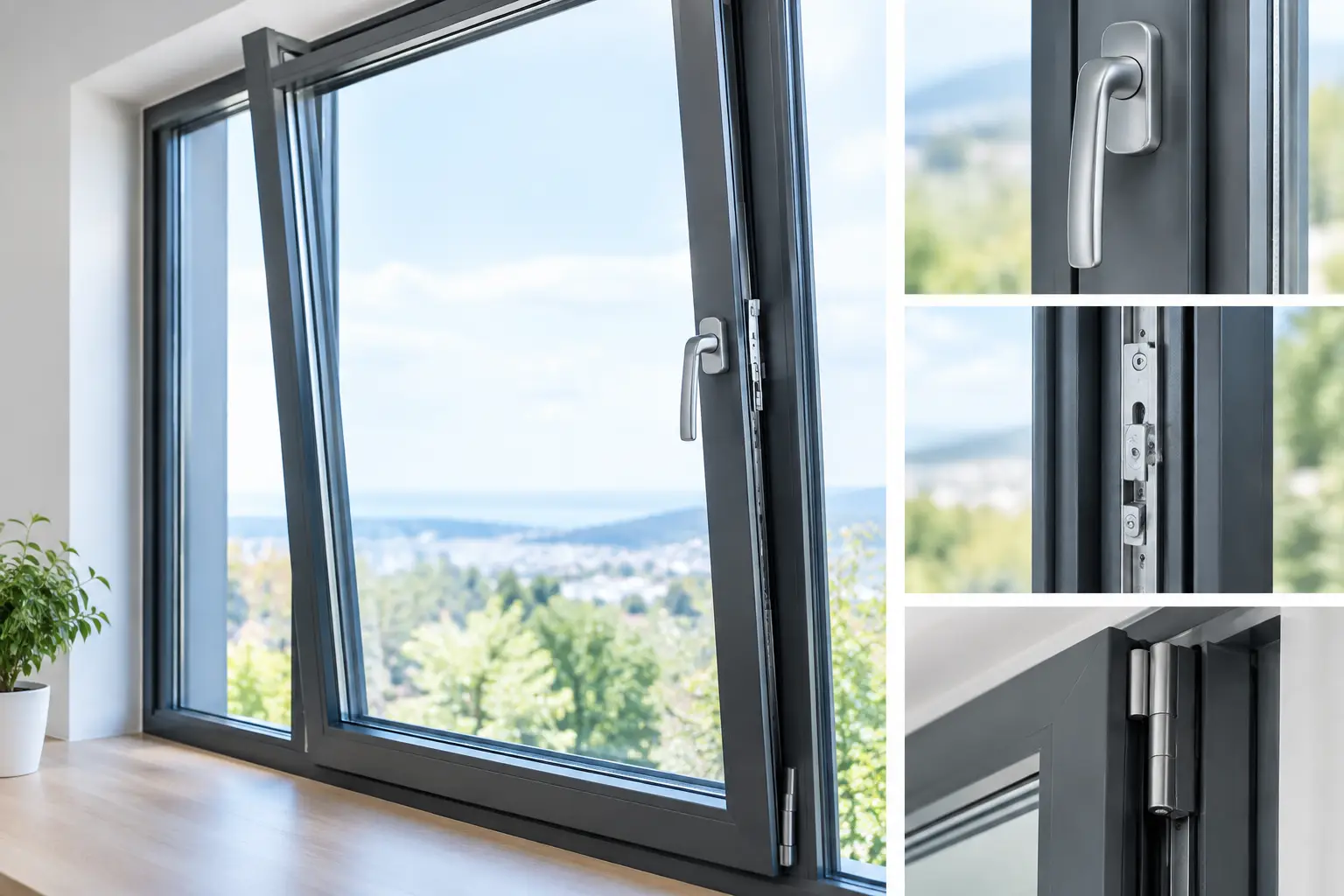
Hardware matters just as much. European hardware systems are one of the reasons premium windows feel different in use. Locking points, hinge quality, compression sealing, and overall operating precision affect security, weather resistance, and long-term satisfaction.
Installation is where many good products are either validated or undermined. Even a high-end window will disappoint if it is installed without proper shimming, air sealing, insulation strategy, and water management. For replacement projects, the condition of the existing opening also matters. In custom construction, interface details with the wall assembly are equally important. A premium product deserves a premium installation standard.
Questions to ask before choosing Kömmerling windows for homes
The best buying process is not about asking whether Kömmerling is good. It is about asking whether the specific system, glass package, and installation approach are right for the project.
Start with performance targets. Are you mainly trying to reduce drafts and lower heat loss, or are you also dealing with traffic noise, wide openings, or a design-driven façade? A downtown infill home and a quiet suburban renovation may both benefit from better windows, but not in the same way.
Next, consider sightlines and scale. Some homeowners want the slimmest possible visual profile. Others prioritize insulation first. Often the answer is a balance. In some projects, mixing systems across different areas of the house is the most rational approach.
Then ask about the full specification. What is the glass build-up? What spacer system is used? How is the frame reinforced? What hardware is included? What are the expected air, water, and thermal performance values? Premium buyers should expect specific answers.
That level of detail is where a specialized company such as ECOWIN adds value. Product quality matters, but informed specification and disciplined installation are what turn a premium window into a measurable upgrade.
Is the premium worth it?
If the comparison is based on upfront price alone, Kömmerling will not be the cheapest option. That is the wrong lens for this category. The better question is what you gain over the life of the home.
You gain more stable indoor comfort, especially near the glass. You gain quieter rooms. You often gain better resistance to condensation, less air leakage, and a more polished architectural result. In the right home, that is not a subtle improvement.
There are still trade-offs. If the budget is tight and the home has many openings, you may need to prioritize key elevations or the most-used spaces first. If the design calls for extremely large glazed expanses, a different system may be required in some areas. Good planning matters more than chasing one material everywhere.
For homeowners who care about how a house performs on a January morning, how it sounds at night, and how cleanly the façade reads from the street, Kömmerling is a serious option. The product makes the most sense when it is chosen as part of a complete envelope strategy, not as a cosmetic swap. That is usually where the real upgrade begins.