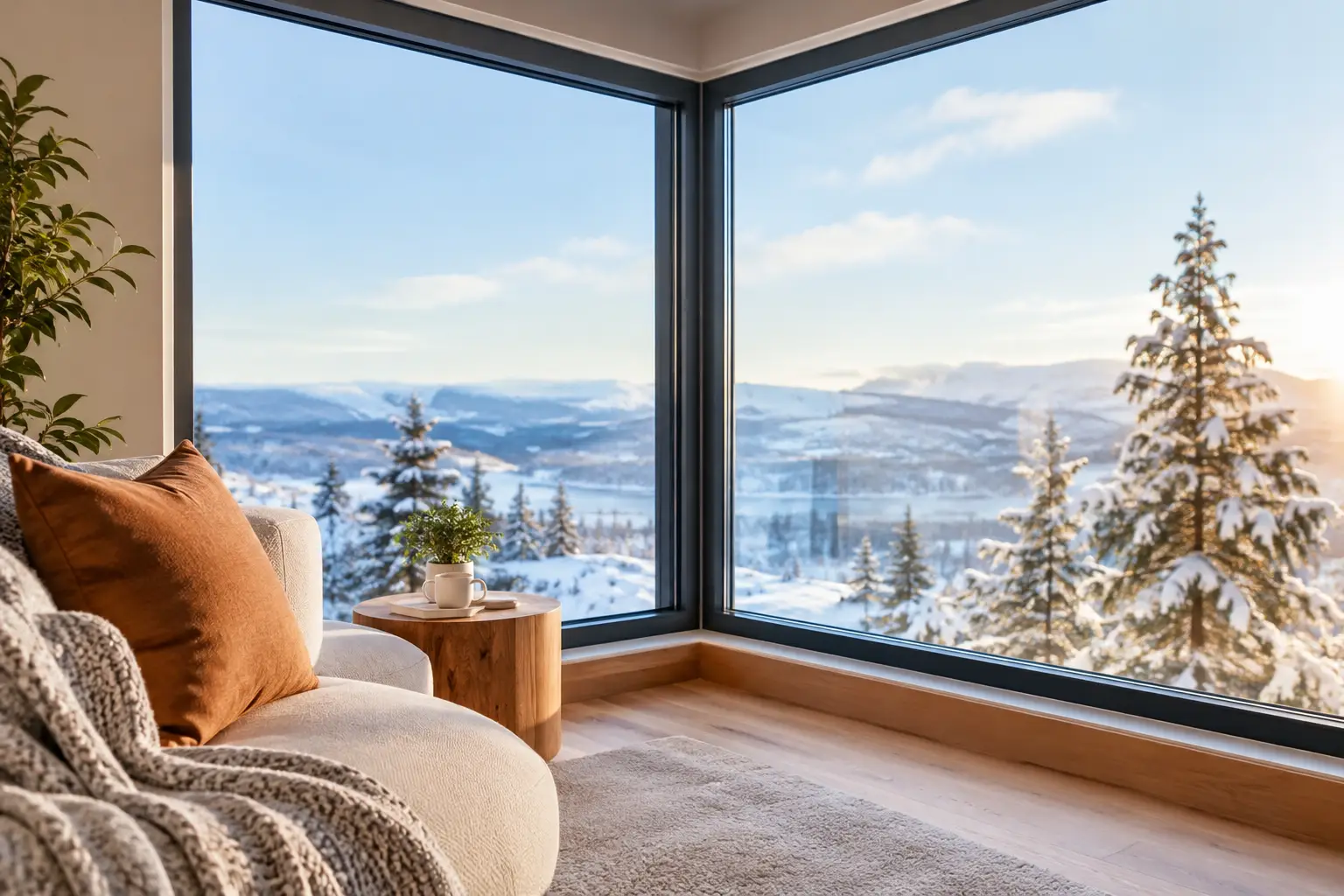
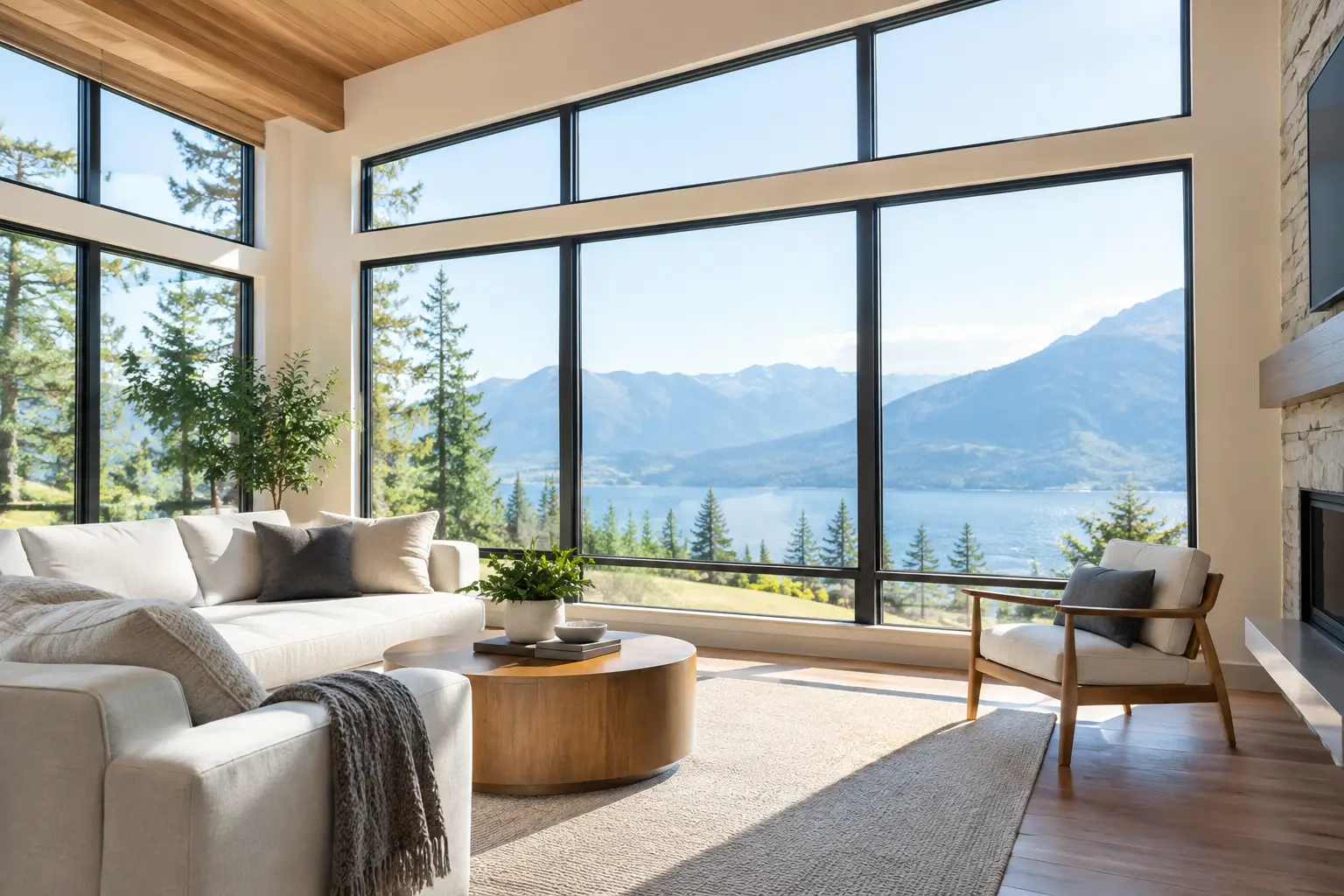
A wall of glass can look exceptional on paper and disappoint badly in real life. The usual failure points are familiar – cold frames in winter, perimeter drafts, condensation risk, and a finished result that looks heavier than the rendering suggested. That is where aluprof window systems deserve a closer look. For homeowners and design teams aiming for larger openings, slimmer profiles, and better year-round comfort, the system itself matters as much as the glass.
What sets Aluprof window systems apart
Aluprof is associated with architectural aluminum fenestration designed for projects that ask more of the envelope. In residential work, that usually means taller units, wider spans, cleaner contemporary lines, and improved structural stability compared with entry-level products. Aluminum is inherently strong, which allows narrower visible profiles while still supporting substantial glazing loads.
That strength alone is not enough. Older aluminum windows earned a poor reputation in cold climates because they conducted heat too readily. Modern systems address that with thermal breaks, insulated profile design, and glazing packages built for energy performance rather than appearance alone. The result is a very different category of product from the aluminum windows many owners remember from decades past.
For a custom home or a serious renovation, the appeal is straightforward. You get the visual discipline of aluminum, the ability to accommodate larger panes, and a more premium architectural finish. If the specification is right, you do not need to trade aesthetics for comfort.
Where Aluprof window systems make the most sense
Not every house needs aluminum. In many standard replacement projects, a high-performance PVC-U system can be the better value. But some homes benefit clearly from the engineering advantages of aluminum, especially when the design includes oversized fixed windows, corner glazing, multi-panel elevations, or a tighter modern façade language.
This is often the case in view-oriented homes, custom builds with large rear openings, and renovations where the intent is to move away from bulky builder-grade frames. Aluminum systems are also a strong fit when consistency matters across the package – windows, doors, and large sliding elements can be coordinated more effectively within the same architectural language.
The trade-off is cost. Aluminum systems typically sit above conventional vinyl options, and that premium needs to be justified by the design brief, the opening sizes, or the performance goals. If the project is modest and the spans are ordinary, the extra structural capability may not be doing much for you. If the design is ambitious, it can make all the difference.
Thermal performance depends on the full specification
A common mistake is to talk about frame material as if it alone determines comfort. It does not. With aluprof window systems, real thermal performance comes from the combination of profile design, thermal break technology, glass build-up, spacer selection, gas fill, and installation quality.
For residential projects in colder regions, triple-pane insulated glass units often make the most sense. Low-E coatings help reduce radiant heat loss, argon-filled chambers improve insulation, and warm-edge spacers support better edge-of-glass performance. These details affect the lived experience inside the home – glass that feels less cold near seating areas, fewer drafts, and better temperature stability during sharp winter swings.
The frame still matters. A properly engineered aluminum system with an effective thermal break can perform far better than outdated expectations suggest. But there is no universal answer that says aluminum always equals maximum efficiency. In some scenarios, top-tier PVC-U can achieve stronger thermal values. The right choice depends on the window size, orientation, façade design, and the priority placed on slim sightlines versus absolute insulation metrics.
Why architects like the sightlines
The visual case for aluminum is easy to understand once you see the sections. Slimmer profiles mean more glass and less frame, which changes both the exterior composition and the interior experience. Rooms feel brighter, views read more cleanly, and mullions do not dominate the elevation.
This is especially valuable in contemporary homes where proportion matters. Heavy frames can make a refined design look compromised. Aluminum helps preserve the sharpness of the architecture, particularly around large fixed units and combined assemblies. It also supports darker finishes well, which is one reason black and anthracite systems remain popular in premium residential work.
That said, slimmer is not always better if the opening has to perform a specific task. Operable units have hardware, gasket, and structural requirements that fixed panes do not. Good design balances appearance with practical use, ventilation needs, and envelope performance. The best projects do not chase minimalism at the expense of function.
Security, hardware, and daily use
High-end window selection is not only about energy numbers and exterior appearance. Daily operation matters. A premium system should feel precise when opened and closed, with hardware that remains stable over time and locking points that contribute to security as well as compression sealing.
Aluminum systems are well suited to larger operable units because the frame has the rigidity to support more demanding formats. Depending on the window type, that can translate into better durability in real-world use, particularly on substantial openings where lighter-duty products may feel strained.
Security is also a material and hardware question together. Stronger frame construction can support more advanced locking arrangements, but the actual outcome depends on the tested system, glazing configuration, and installation method. A well-made product installed poorly is still a weak point in the envelope.
Installation is where premium products either hold up or fall apart
This part gets less attention than profile brochures, but it is often the deciding factor. Large-format aluminum glazing places higher demands on measurement accuracy, structural preparation, anchoring strategy, shimming, air sealing, and water management. The bigger the unit, the less tolerance there is for casual installation practice.
Poor installation can erase the value of an excellent product. You may end up with air leakage, frame distortion, water ingress issues, or hardware problems that are blamed on the manufacturer when the real issue is execution on site. This is why specification-led homeowners and architects tend to care not just about the system brand but about who is supplying and installing it.
Projects with panoramic glazing or oversized openings need a partner that understands load transfer, rough opening conditions, and the sequencing required to protect both performance and finish quality. That level of competence is part of the product, whether it appears on a quote line or not.
Aluprof window systems vs other premium options
When comparing aluprof window systems with other upper-tier fenestration products, the right question is not which brand is universally best. The better question is which system is best aligned with the project.
If the design calls for large glazed areas, crisp aluminum aesthetics, and a coordinated modern façade, Aluprof is often a strong candidate. If the primary objective is maximum thermal efficiency within a more conventional residential form, a premium PVC-U platform may offer better value. If the brief moves toward highly specialized luxury applications or steel-look detailing, other systems may come into the conversation.
There is also a finish and detailing discussion. Some clients want the clean powder-coated aluminum look and the dimensional stability that comes with it. Others care more about interior warmth, budget control, or achieving specific performance targets at a lower price point. All of those priorities are valid. The point is to choose deliberately rather than treating all premium windows as interchangeable.
What homeowners should ask before specifying aluminum
Before committing, it helps to ask a few direct questions. What glazing package is being quoted – double or triple pane? What thermal break design is used in the frame? Are the performance values based on the full window, not just centre-of-glass? How will the installation handle air sealing and water drainage? What are the realistic sightlines once operable sections, mullions, and structural requirements are accounted for?
Those questions usually separate a genuine high-performance proposal from a surface-level one. They also keep the conversation tied to outcomes that matter in daily life: warmer interiors, less outside noise, steadier comfort near glass, and a finished appearance that matches the architecture.
For the right home, Aluprof can be an excellent choice – not because aluminum is fashionable, but because engineered aluminum systems solve specific architectural and performance challenges well. The smartest approach is to start with the house, the openings, and the expectations for comfort, then choose the system that earns its place on all three fronts.