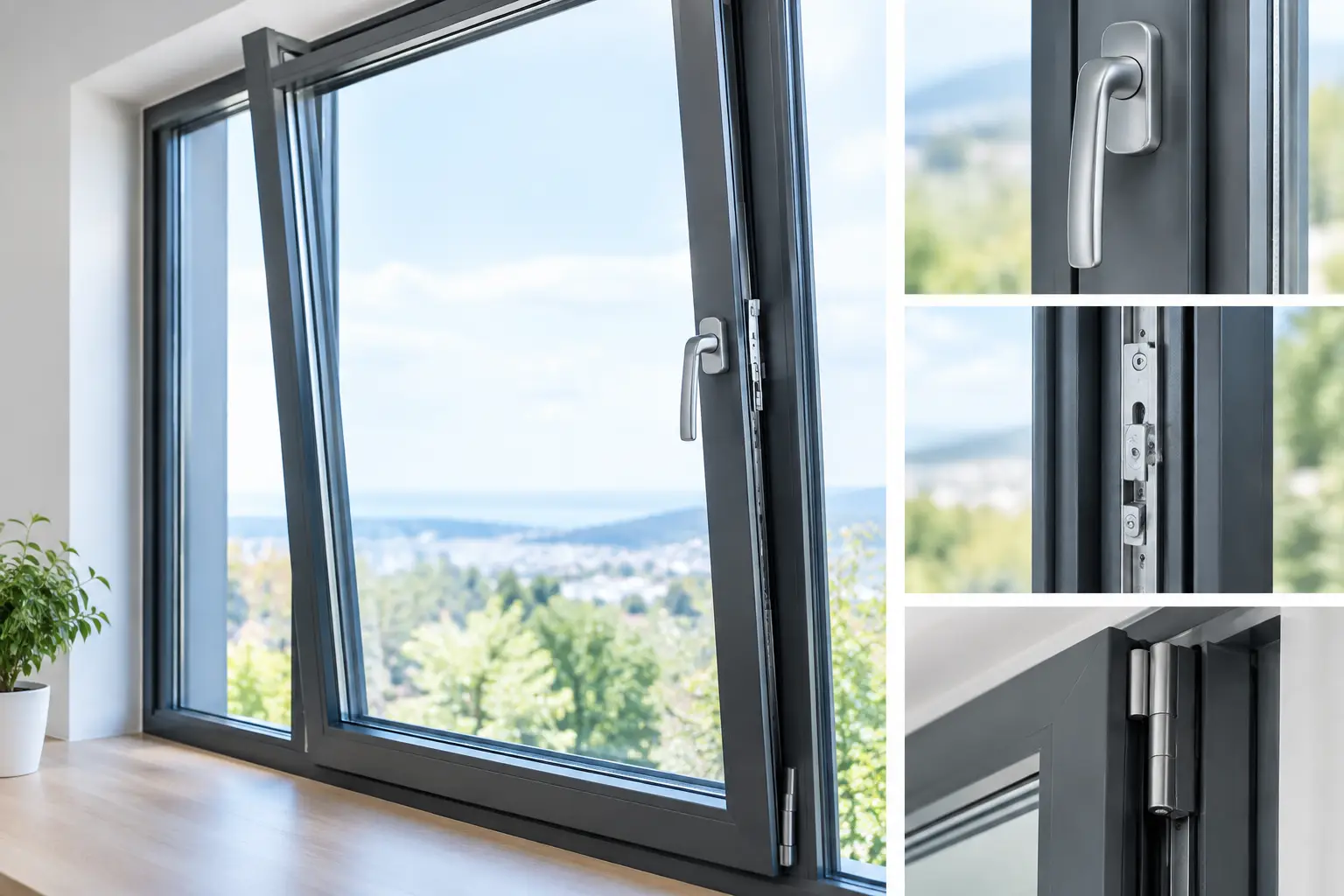
A cold interior pane, a draft along the sill, and traffic noise that carries through a closed window are not minor comfort issues. They are signs that the glazing and frame are working below the standard a well-built Canadian home deserves. Canada triple pane windows are designed to address those problems with an extra layer of glass, insulated gas chambers, advanced coatings, and better-performing frame systems. For custom homes and serious renovations, however, the third pane is only one part of the specification.
Why Canada Triple Pane Windows Perform Differently
A triple-pane insulated glass unit, often called an IGU, uses three panes of glass separated by two sealed cavities. Those cavities are typically filled with argon, while the glass receives Low-E coatings that reduce heat transfer. Warm-edge spacers at the perimeter of the unit further limit heat loss where conventional metal spacers can create a colder edge.
The result is a more stable interior glass temperature during winter. That matters more than many homeowners realize. When the inside surface of a window stays warmer, the room feels more comfortable at the same thermostat setting, downdrafts near the glazing are reduced, and the risk of interior condensation is better controlled.
In Southern Ontario, this performance is especially relevant on north-facing elevations, exposed lakefront sites, large glazed living areas, and homes replacing older double-pane or builder-grade units. Triple glazing can also reduce heat gain in summer when the Low-E coating and solar heat gain coefficient are selected appropriately for the orientation of the home.
A low U-factor is a useful indicator of thermal performance, but it should not be viewed in isolation. The best window is not simply the one with the lowest number on a brochure. Glass type, frame construction, air tightness, installation quality, solar exposure, and the size of the opening all influence how the finished room will perform.
The Frame Must Match the Glass
Putting triple-pane glass into a weak frame is a missed opportunity. The window frame, sash, seals, reinforcement, and hardware must be engineered to carry the additional weight of the glass while maintaining consistent compression around the entire perimeter.
Premium European-format PVC-U windows from systems such as VEKA and Kömmerling use multi-chamber insulated profiles, durable gaskets, and reinforced sections where required. These details reduce thermal bridging and help the window remain square and tightly sealed over years of operation. The visual benefit is equally compelling: slimmer, cleaner sightlines and a more considered architectural finish than many conventional residential systems.
For large-format openings, architectural aluminum may be the better material choice. Aluminum provides the structural capacity needed for expansive fixed glazing, tall casements, and panoramic sliding doors. Yet not all aluminum is equal. A thermally broken aluminum system separates the interior and exterior sections of the profile with insulating material, limiting the heat transfer that makes basic aluminum frames feel cold in winter.
The decision between PVC-U and aluminum depends on the opening, architectural intent, sightline requirements, and budget. PVC-U can offer exceptional thermal value for standard and moderately sized openings. Thermally broken aluminum is often the right answer where dimensions, structural demands, or a minimal contemporary aesthetic take priority.
Comfort Is More Than Energy Efficiency
The value of triple-pane glazing becomes clear in the rooms people use most. A reading chair near a picture window is no longer the cold seat in the house. A primary bedroom facing a busy road becomes calmer. A double-height living room with substantial glass feels less exposed to the weather.
Acoustic improvement is possible, but it requires a precise specification. Three equal panes do not automatically provide the best sound reduction. For road noise, rail noise, or neighbourhood activity, an asymmetrical glass build-up may perform better. Using different glass thicknesses disrupts a wider range of sound frequencies. Laminated acoustic glass can add another level of attenuation while also enhancing safety and security.
This is why a window package should be designed around the actual condition, not selected from a single standard option. A quiet residential street, a home near the QEW, and a property under a flight path have very different acoustic requirements.
Security also benefits from quality construction. Multi-point locking hardware, reinforced profiles, laminated glass options, and properly adjusted sashes create a more secure opening than a basic window relying on a simple latch. Hardware should operate smoothly, lock firmly, and be appropriate for the size and weight of the sash. On large operable units, this is a performance requirement, not a cosmetic upgrade.
Where Triple Pane Makes the Most Sense
Triple-pane windows are a strong choice for most new custom homes and major envelope renovations in Canada, but their return is not identical in every opening. They deliver the greatest practical benefit where glass area is substantial, winter exposure is severe, or existing windows are visibly underperforming.
Priority locations often include large living-room windows, bedrooms, north and east elevations, exposed corners, and any room where occupants sit close to the glazing. A triple-pane package also makes sense when a project includes high-performance exterior insulation, air sealing, and upgraded mechanical systems. In that context, weak windows become the obvious weak point in the building envelope.
There are trade-offs. Triple-pane units are heavier and typically cost more than double-pane units. They may require more substantial hardware and careful handling during installation. Depending on the glass package, they can also admit less solar heat in winter. On a south-facing elevation, the ideal specification may balance insulation with useful passive solar gain rather than simply maximizing every thermal metric.
For heritage-sensitive renovations or projects with tight structural limitations, a specific double-pane high-performance unit may occasionally be the practical solution. The goal is not to specify triple pane by default. It is to select the right system for each façade, opening, and performance target.
Installation Determines the Real Result
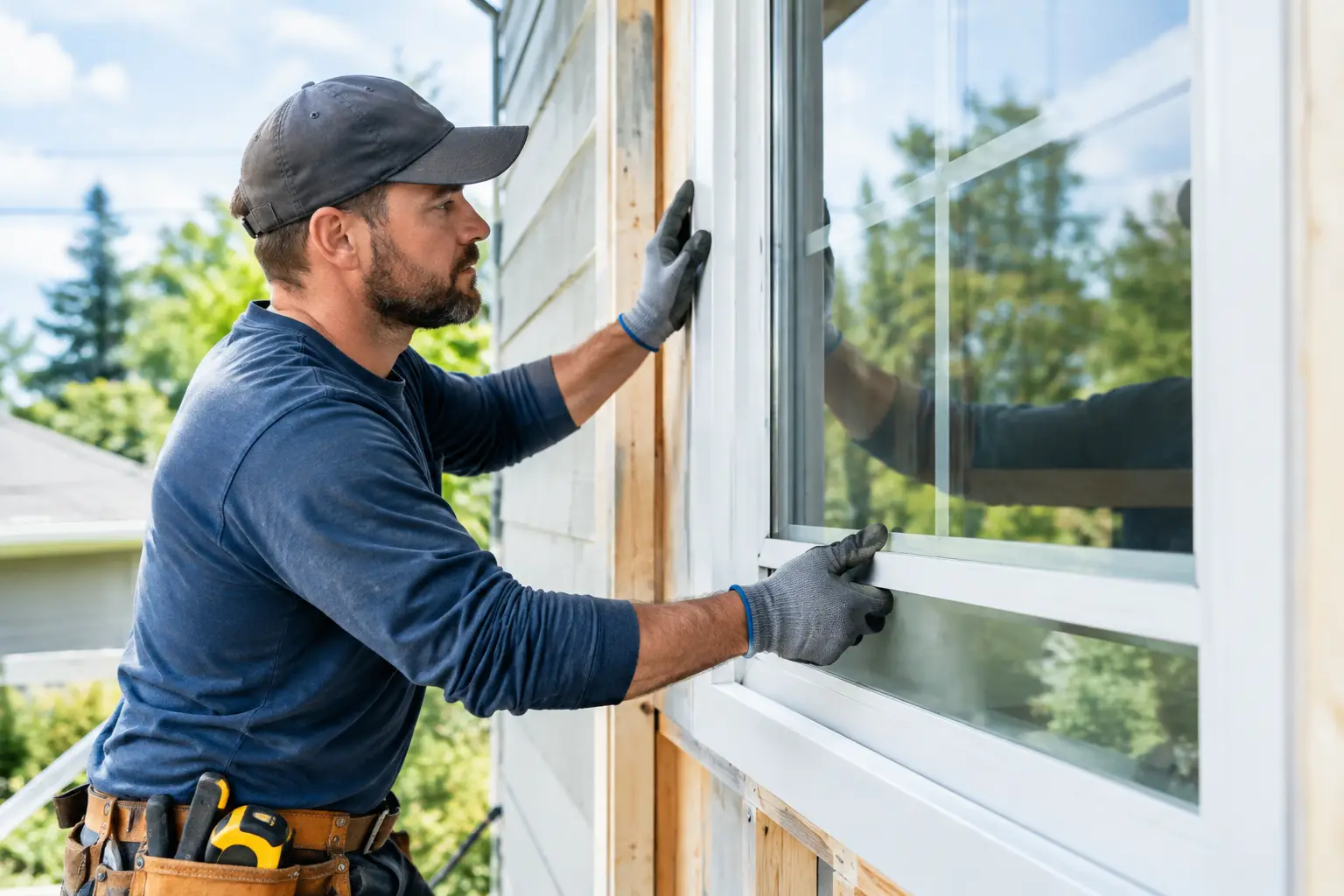
A premium window can lose much of its advantage if it is installed into an unprepared opening. Air leakage around the frame, inadequate shimming, poor sill flashing, and missing insulation at the perimeter can produce drafts and water-management problems that no glass upgrade can solve.
Professional installation begins with accurate site measurement and an assessment of the wall assembly. The window must be positioned correctly within the opening, supported at designated load points, mechanically secured, insulated around the perimeter, and integrated with a drainage and flashing strategy that directs water outward. Interior and exterior seals must accommodate movement without creating gaps.
Replacement projects demand particular care. Removing an existing unit can reveal rot, uneven framing, failed exterior cladding details, or undersized openings. Addressing those conditions before the new window is installed protects the investment and supports the long-term performance of the entire wall.
For oversized glazing and sliding systems, installation expertise becomes even more critical. Heavy glass units require safe lifting plans, accurate leveling, and precise adjustment so panels slide, lock, and seal as designed. ECOWIN approaches these projects as façade systems rather than simple replacements, with attention to the product, the opening, and the architectural finish around it.
What to Ask Before You Specify a Window Package
Request whole-window performance data, not centre-of-glass claims alone. Centre-of-glass values can make any IGU look impressive, but the frame and spacer affect real-world performance. Ask how the U-factor is measured, what Low-E coating is proposed, whether the cavities are argon-filled, and which warm-edge spacer is included.
For a large project, review sightlines and operable configurations early. A fixed unit may achieve different thermal and visual results than a casement, tilt-and-turn, lift-and-slide, or patio door. Confirm the structural limits of the system before designing an oversized opening around an assumed glass size.
Finally, consider the experience you want from the completed space. A properly specified triple-pane window system does more than reduce energy loss. It allows rooms to sit closer to the exterior wall, supports quieter sleep, makes large views more comfortable in January, and gives a refined home envelope the level of performance its architecture calls for.