On a cold Southern Ontario morning, a wet band of glass at the bottom of a bedroom window can look like a failed window. Sometimes it is. More often, the answer to why do windows sweat inside is a combination of warm indoor air, elevated humidity, and a glass or frame surface that has become cold enough for moisture to condense.
That distinction matters. Condensation is not simply a cosmetic nuisance. Left unaddressed, it can damage wood trim, stain drywall, encourage mould growth, and make an otherwise refined interior feel cold and poorly finished. It is also a useful diagnostic clue: the location, timing, and severity of moisture can reveal whether the primary issue is indoor humidity, window performance, installation details, or several factors working together.
Why do windows sweat inside?
Indoor air holds water vapour. Cooking, showering, laundry, houseplants, pets, and the people living in a home all add moisture to it. Warm air can hold more moisture than cold air. When that humid air touches a surface below its dew point, the vapour changes into liquid water.
In winter, the interior-facing surface of a window is often the coldest surface in the room. If the outdoor temperature drops and the window has limited insulation value, the inside glass temperature falls. Once it falls below the dew point of the room air, condensation forms on the glass, usually first at the lower edge and around the perimeter.
This is why condensation commonly appears overnight. Bedrooms are often closed, occupied for hours, and receive less airflow from the rest of the house. A tightly closed door, a humidifier running nearby, and a cold exterior wall can create the exact conditions needed for moisture to collect on glass by morning.
Condensation is normal in small amounts, but not always harmless
A light haze on the lower edge of a window during a sudden cold snap is not automatically evidence of a defective product. Even excellent triple-pane windows have limits when indoor humidity is high enough and exterior temperatures are severe. Large areas of glass also naturally lose more heat than a well-insulated wall, although high-performance glazing reduces that difference substantially.
The pattern of condensation is what matters. Moisture on the room-facing glass is an interior humidity and surface-temperature issue. Condensation or fog trapped between panes is different: it typically indicates a failed insulated glass unit seal and requires service or replacement. Moisture on the exterior pane can actually be a positive sign in certain conditions. It means the outer glass is cool because little interior heat is escaping through it.
Persistent water running onto the sill, wet frames, black spotting around trim, or condensation that occurs at moderate indoor humidity deserves closer attention. These symptoms can point to weak glazing, thermally inefficient frames, missing or restricted air circulation, or an installation detail that allows the perimeter of the opening to become unusually cold.
What raises the risk inside a home
The window is only one part of the equation. A home can produce a surprising amount of moisture in a day, especially during winter when windows remain closed and natural ventilation is limited. Newer, more airtight houses can be particularly prone to high humidity if mechanical ventilation is not properly balanced.
Common contributors include frequent long showers, unvented or underused bathroom fans, range hoods that vent poorly, drying clothing indoors, and humidifiers set too aggressively. A finished basement, a large aquarium, or fresh construction materials can also add moisture. During a renovation or new build, concrete, lumber, paint, and drywall compound release considerable moisture as they cure.
Window coverings affect the result as well. Heavy drapery, interior shutters, and tightly fitted blinds can trap a pocket of humid air against the glass. The room may feel comfortable, but the concealed glass surface can become cold enough for condensation to form. Opening coverings slightly at night and maintaining clear airflow from registers can make a measurable difference.
Why higher-performance windows reduce interior sweating
A premium window does not eliminate the need to manage indoor humidity. What it does is keep the interior surfaces warmer. That is the central performance advantage.
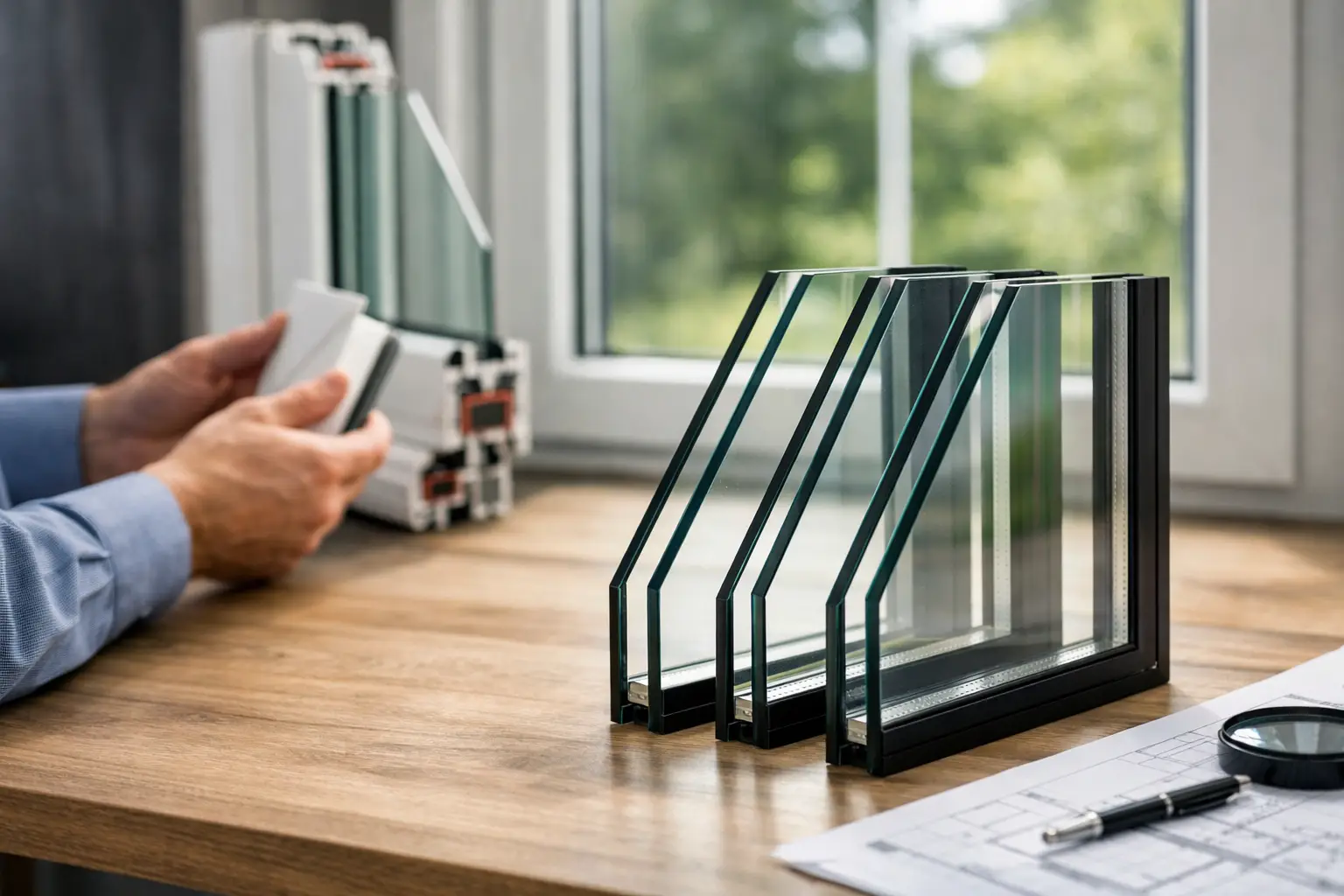
Triple-pane insulated glass units use three layers of glass and two sealed cavities, often filled with argon gas. Low-E coatings reflect heat back into the room, while warm-edge spacer technology reduces the cold band around the edge of the glass. Together, these features raise the interior glass temperature compared with typical older double-pane units or builder-grade assemblies.
The frame matters just as much as the glass. Multi-chamber reinforced PVC-U profiles and thermally broken aluminum systems reduce heat transfer through the perimeter of the opening, where condensation is often most visible. Strong compression seals limit cold air leakage that can chill the frame, while properly engineered glazing beads and drainage paths manage incidental moisture without allowing it to reach vulnerable interior finishes.
There is a trade-off worth understanding. Expansive panoramic glazing creates exceptional views and architectural clarity, but more glass means a larger surface exposed to winter conditions. For oversized openings, the specification must be proportionate to the design: high-performing glass packages, insulated frames, suitable spacers, careful installation, and a realistic approach to indoor humidity. A premium sliding system can perform exceptionally well, but it cannot override basic building physics.
How to diagnose where the problem starts
Before assuming a window needs replacement, observe the conditions for several days. The following clues help separate a humidity issue from a window or installation concern:
- Water only appears during very cold weather or in occupied bedrooms overnight.
- Condensation is concentrated on the lower glass edge, behind blinds, or along the frame perimeter.
- Moisture appears between glass panes rather than on a surface you can touch.
- Water continues to form heavily even after humidity is reduced and room airflow is improved.
Use a hygrometer rather than guessing at indoor relative humidity. In winter, the appropriate setting depends on outdoor temperature, window performance, and the house itself. When temperatures fall sharply, humidity often needs to be lowered to prevent condensation, even if the air then feels slightly drier. A home with older double-pane windows may need lower winter humidity than one with high-performance triple-pane units.
Also inspect the window without the visual distraction of coverings. Check whether the glass is wet, whether the frame is wet, and whether moisture is isolated to one opening or present throughout the house. One consistently wet window can indicate a localized issue. Every window sweating at once suggests the home is carrying too much moisture for the prevailing weather.
Practical steps to stop window condensation
Start by controlling moisture at its source. Run bathroom fans during showers and for a period afterward, use the range hood when cooking, and ensure both exhaust systems actually discharge outdoors. If clothes are dried indoors, improve ventilation in that area or use a properly vented dryer. Reduce or temporarily turn off humidifiers when windows begin to show moisture.
Then improve circulation at the window. Keep supply registers unobstructed, avoid placing furniture directly in front of heating sources, and open blinds or drapes enough to allow room air to move across the glass. Wipe standing water from sills promptly, particularly on wood-clad trim or painted drywall returns.
If the home has a heat recovery ventilator or energy recovery ventilator, confirm that it is operating correctly and is sized and commissioned for the home. Mechanical ventilation is not merely an energy-efficiency feature. It is a moisture-management tool that becomes increasingly valuable as a building enclosure becomes tighter.
Do not rely on dehumidifiers as the only answer to a cold window. They can help in specific rooms or during construction drying, but persistent winter condensation may still expose a weak window specification or an installation issue that deserves assessment.
When replacement is the right decision
Replacement becomes more compelling when condensation accompanies drafts, cold interior glass, failed seals, deteriorating frames, difficult operation, or visible damage around the opening. It is especially relevant in homes with original builder-grade windows, where standard double-pane glass, conductive spacers, and lightly insulated frames struggle through Canadian winters.
For a renovation or custom project, evaluate the complete assembly rather than choosing by pane count alone. Ask about glass configuration, Low-E coating placement, gas fill, spacer design, frame insulation, air and water performance, reinforcement, and how the product will be installed into the wall. Large sliding doors and floor-to-ceiling glazing require even more attention to sill conditions, structural support, drainage, and thermal continuity.
European-format systems from established profile and aluminum platforms are often specified for this reason. Their deeper profiles, multi-point hardware, engineered seals, and high-performance glazing options support warmer interior surfaces, quieter rooms, and stronger long-term operation. The best result is not simply a window with an impressive specification sheet. It is a correctly selected system installed with equal attention to the opening around it.
A dry window begins with the right balance: reasonable indoor humidity, effective ventilation, and glazing that keeps the interior side of the building envelope comfortably warm. If moisture persists after the first two are addressed, the window is giving you useful information about where your home needs a higher level of performance.