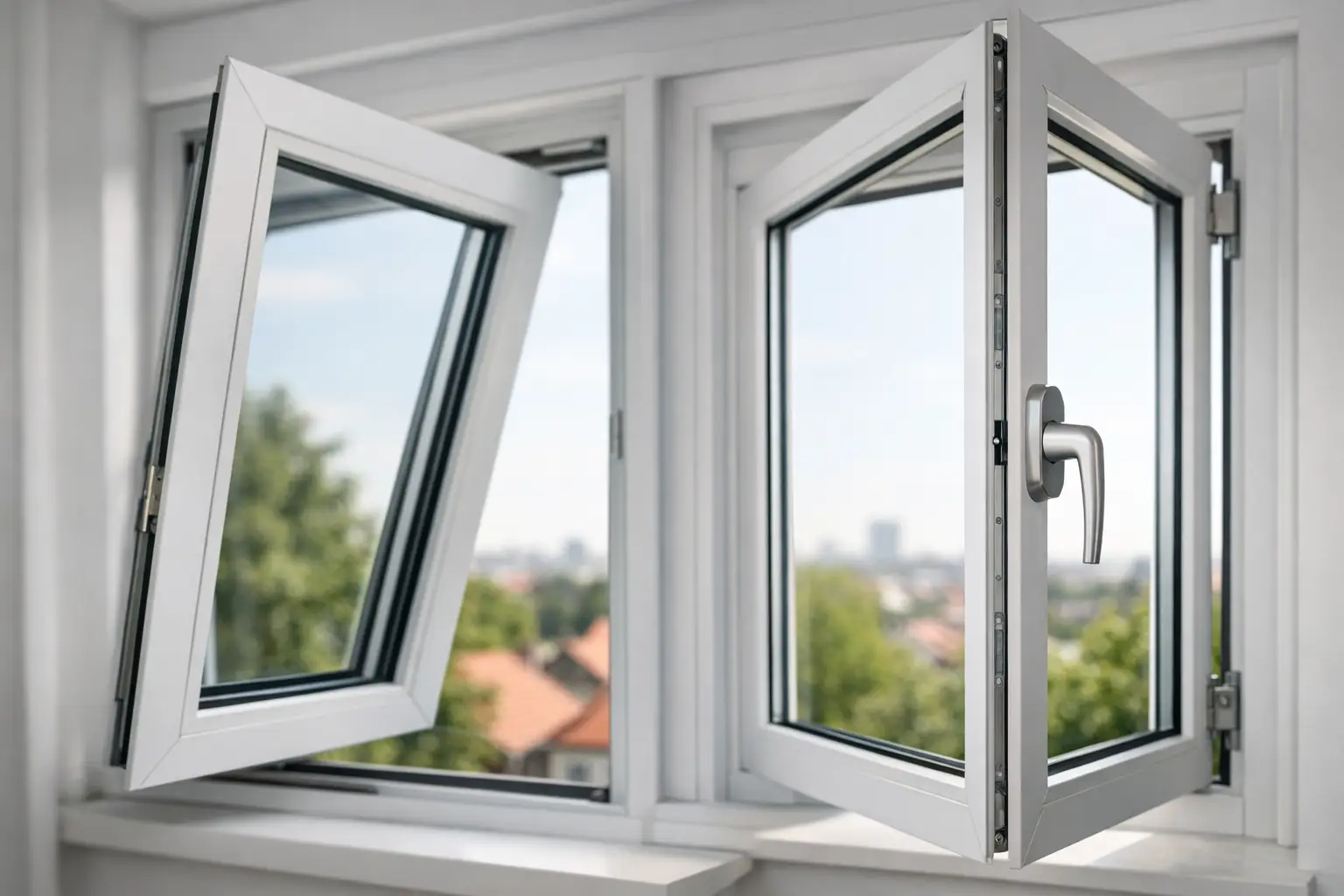
A window can look impressive in a showroom and still underperform once winter arrives. That usually comes down to what sits behind the glass package – the frame profile, the reinforcement strategy, the seals, and the way the system is engineered as a whole. If you are comparing premium vinyl windows, this is where VEKA window profiles explained properly starts to matter.
VEKA is not simply a style choice. It is a PVC-U profile platform used to build finished window systems with specific structural, thermal, and acoustic characteristics. For homeowners, architects, and renovators, that distinction matters because the profile is the foundation. It affects frame stability, insulation value, hardware compatibility, sightlines, and long-term durability.
What VEKA window profiles actually are
A VEKA profile is the extruded PVC-U frame and sash system that forms the structural body of a window or door. It is not the insulated glass unit itself, and it is not the full installed product on its own. Think of it as the chassis. The final performance of the window depends on how that chassis is configured with steel reinforcement, glazing thickness, weather seals, hardware, and fabrication quality.
In premium residential construction, profile quality matters because larger openings, heavier triple-pane units, and stricter comfort expectations put more demand on the frame. A profile that works acceptably in a basic double-pane builder-grade window may not be the right platform for a heavier, higher-performance configuration.
VEKA has built its reputation around thicker wall construction, stable PVC-U formulations, and profile systems designed for demanding climates. That is one reason it is frequently specified for homes where thermal comfort and long-term reliability matter more than entry-level price.
VEKA window profiles explained by performance, not just appearance
From the street, many vinyl windows look similar. The technical differences are inside the chambers, corners, and sash geometry.
Multi-chamber construction is one of the most important features. VEKA profiles use internal chambers to slow heat transfer through the frame. More chambers do not automatically mean a better window in every case, but a well-designed multi-chamber profile can significantly improve frame insulation when paired with quality glazing.
Wall thickness is another point that deserves attention. Premium PVC-U profiles generally use heavier outer walls than economy systems. That added material helps with rigidity, weld strength, corner stability, and long-term shape retention. In practical terms, the window feels more solid, performs more consistently, and is better suited to the weight of triple-pane glass.
Reinforcement also plays a major role. Vinyl expands and contracts more than aluminum, so the internal reinforcement strategy matters, especially in larger units or darker exterior finishes. Depending on the application, reinforced sections may be used to maintain structural integrity, support hardware, and limit frame movement over time.
Then there are the seals. Good profile systems are designed to work with high-quality gasket arrangements that reduce air infiltration and water penetration. A warm, quiet room in January is not the result of one feature. It comes from the profile, the glazing, the spacers, the seals, and the installation working together.
Why profile class matters in premium residential projects
Not all PVC-U is built to the same standard. One of the reasons spec-driven buyers ask about VEKA is profile classification and material consistency.
Higher-grade profiles are typically associated with thicker exterior walls and better dimensional stability. That matters in custom homes and major renovations because premium windows are often larger, heavier, and expected to last through years of freeze-thaw cycling, wind exposure, and intense solar gain. In those conditions, the profile cannot be treated as a commodity.
For a homeowner replacing drafty builder-grade windows, the difference may show up as tighter operation, better seal compression, and less frame movement with seasonal temperature swings. For an architect, it may mean more confidence in larger punched openings or a cleaner alignment across an elevation. The visual result is important, but the structure behind it is what supports that clean appearance.
How VEKA profiles affect energy efficiency
A lot of window marketing focuses on glass, and fairly so. Triple-pane insulated glass units, argon gas fills, Low-E coatings, and warm-edge spacers all matter. But frame performance still influences the final result.
A strong VEKA profile helps reduce thermal bridging through the frame and sash. That can improve interior surface temperatures, which is especially relevant near seating areas, bedrooms, and larger glazing zones where comfort is noticeable. A room does not have to be visibly drafty to feel cold. Sometimes the issue is radiant heat loss at the perimeter, and a better-insulated frame can help reduce that effect.
That said, it depends on the full specification. A premium profile paired with weak glazing will not perform like a properly engineered triple-pane unit. The reverse is also true. Excellent glass installed in a lower-grade frame may leave performance on the table. The best results come from balancing both.
Sightlines, aesthetics, and the European-format advantage
One reason design-conscious clients look at VEKA systems is the balance between performance and appearance. The frame has to do real work, but it also has to suit the architecture.
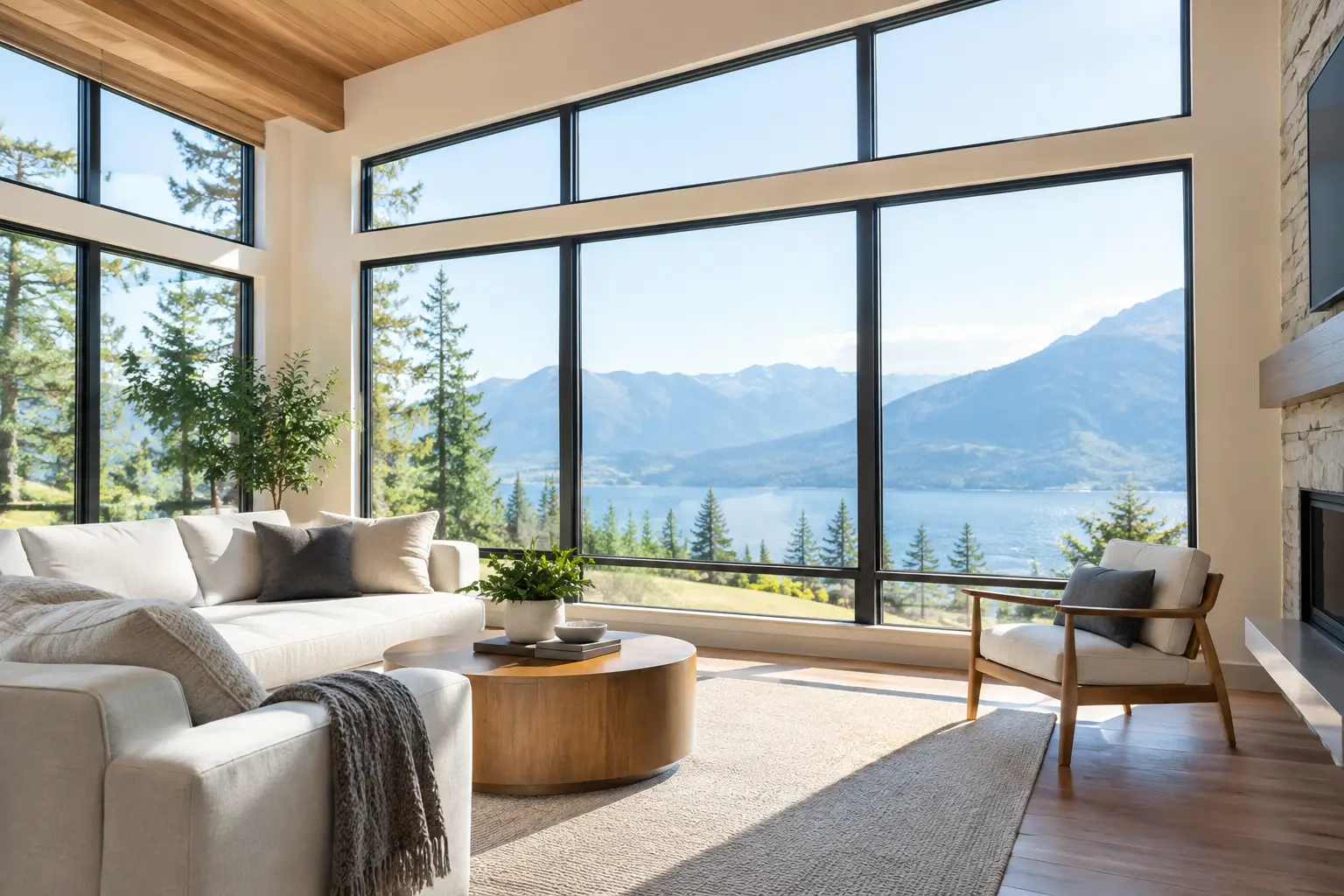
European-format vinyl windows often prioritize cleaner geometry, slimmer visible lines where possible, and hardware that supports refined operation. VEKA-based systems can be configured to support that look while still accommodating high-performance glazing packages. This matters in contemporary renovations and custom homes where homeowners want more glass without sacrificing thermal comfort.
There is always a trade-off. Ultra-slim sightlines can be visually appealing, but structural demands, opening type, glass weight, and energy targets may require more frame depth or reinforcement. That is why the best specification process starts with the opening size, orientation, and performance goals rather than appearance alone.
VEKA window profiles explained for acoustics and comfort
When buyers think about noise reduction, they often look only at glass thickness. The profile still plays a supporting role.
A stable frame with strong weather seals helps control air leakage, and air leakage is one of the biggest paths for sound intrusion. If a window has impressive glass but weak compression at the seals, street noise can still find its way in. A better-built profile contributes to a tighter envelope and supports the acoustic value of upgraded glazing.
This is especially relevant near busier roads, lake-exposed sites, and urban neighbourhoods where outdoor noise is part of daily life. The quietest result usually comes from a complete system approach – profile, glazing make-up, spacer, seals, and precise installation.
What to compare when evaluating a VEKA-based window
If a supplier says they offer VEKA, the next question should be how the finished window is built. The profile brand is important, but it is not the only variable.
Ask about frame depth, sash design, reinforcement method, glazing thickness capacity, number and type of seals, and whether the system is optimized for triple-pane units. It also makes sense to ask how the product handles larger openings, what hardware platform is used, and how the installation assembly addresses insulation around the perimeter.
This is where informed buyers separate branded material from real system performance. Two windows may both use VEKA profiles and still differ in thermal values, hardware quality, air tightness, and finish level.
Where VEKA makes the most sense
VEKA profiles are particularly well suited to homeowners moving beyond standard replacement windows and into a more serious performance upgrade. That includes older homes with cold perimeter rooms, renovations where comfort is a priority, and custom projects that need premium vinyl rather than entry-level product.
They also make sense when triple-pane glass is part of the brief. Heavier insulated glass units place more demand on the sash and frame, so profile quality becomes more relevant. In that context, a stronger PVC-U platform is not an upgrade for the sake of branding. It is part of making the full system work properly over time.
For some projects, aluminum may still be the better fit, especially where very large expanses of glass, specific architectural sightlines, or certain structural requirements are driving the design. But when the goal is high thermal performance, strong comfort, and refined residential aesthetics, VEKA remains a serious option.
The right window is rarely the cheapest one on the quote sheet, and it is not always the one with the most aggressive brochure claims either. It is the one built on a profile system that suits the size of the opening, the weight of the glass, the climate, and the standard of finish you expect to live with every day.