A window that opens two ways changes more than airflow. It changes how a room feels in winter, how securely you ventilate at night, and how clean the exterior glass stays on an upper floor. That is why european tilt turn windows keep showing up in better renovations and custom homes – not as a novelty, but as a serious upgrade over standard North American operable units.
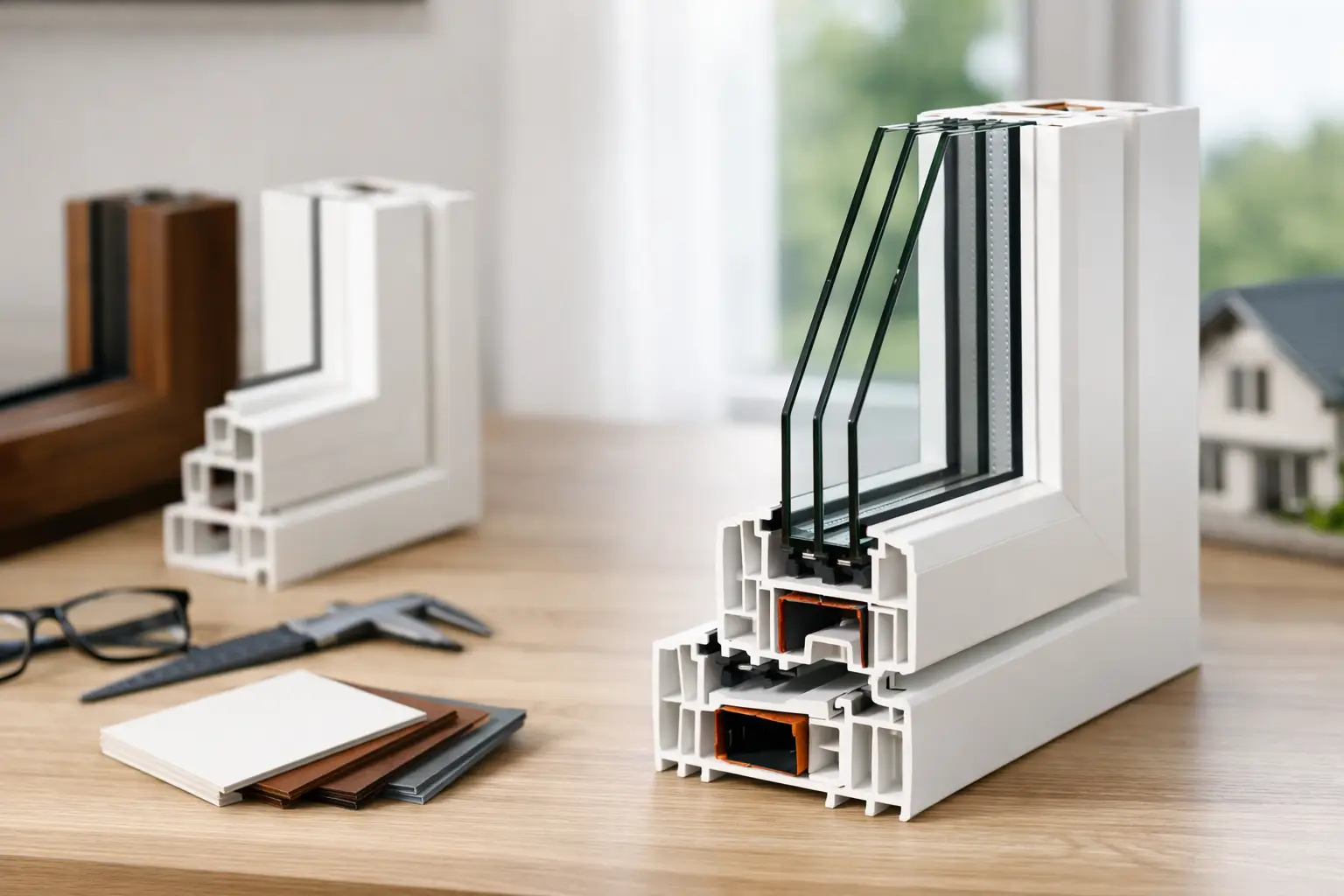
For homeowners comparing premium window systems, the appeal is straightforward. Tilt and turn operation combines inward swing access with a secure top-tilt ventilation mode, but the real value goes deeper. These windows are typically built around tighter European hardware, multi-point locking, stronger compression seals, insulated frame profiles, and glass packages designed for thermal and acoustic performance. When specified properly, they do more than look refined. They make interior spaces warmer, quieter, and more controlled year-round.
What makes european tilt turn windows different
At first glance, the operating concept is the most obvious difference. One handle controls two functions. In the turn position, the sash swings inward like a door for full opening and easy cleaning. In the tilt position, the top of the sash leans inward while the bottom remains secured, allowing controlled ventilation without leaving the window fully open.
That dual action matters because it solves a common compromise in residential design. Many operable windows either ventilate modestly or open wide, but not both with the same level of control. Tilt turn systems handle daily ventilation, seasonal purge airflow, and maintenance access in a single unit.
The hardware is also a major distinction. European-format systems rely on perimeter locking points rather than a simple latch at one side. That creates more uniform pressure around the sash when closed. Better compression means less air infiltration, fewer drafts, and stronger weather resistance when paired with quality gaskets and proper installation.
Why they perform better in real homes
Premium windows should not be judged by operation alone. The reason european tilt turn windows stand out is the way the entire assembly works together – frame, hardware, glazing, seals, and install detail.
Thermal comfort is usually the first thing people notice
A better window does not just improve energy metrics on paper. It reduces the cold radiant effect near the glass, limits perimeter drafts, and keeps interior temperatures more even. In practical terms, that means the chair beside the window becomes usable in January, and rooms with larger glazing feel less exposed.
This is where high-spec assemblies make a visible difference. Triple-pane insulated glass units, argon-filled chambers, Low-E coatings, and warm-edge spacer technology all contribute to better thermal resistance. Combined with insulated PVC-U or thermally broken aluminum systems, the result is a window that supports comfort instead of fighting it.
Acoustic performance is another major advantage
For homes near traffic corridors, lakefront exposure, denser streetscapes, or active neighbourhoods, sound control matters almost as much as insulation. Tilt turn windows typically close with more consistent gasket compression than many builder-grade alternatives. Add thicker glazing or asymmetrical glass makeups, and exterior noise reduction improves substantially.
It depends on the full specification, of course. Not every tilt turn window performs the same acoustically. Frame quality, glass thickness, interlayers, and installation quality all affect the outcome. Still, the platform itself is well suited to quieter interiors because the sealing system is inherently stronger.
Security is built into the operating logic
Because the sash locks at multiple points around the frame, the closed position feels more secure and more substantial. The tilt position can also provide ventilation without the vulnerability of a fully open sash. For many clients, that is not a minor convenience. It is a daily-use benefit, especially on the ground floor or in bedrooms where airflow is wanted but exposure is not.
Where tilt turn windows fit best
These windows are especially effective in contemporary renovations, custom homes, and projects where architectural restraint matters. The profiles tend to look cleaner, the sightlines are disciplined, and the hardware feels intentional rather than utilitarian.
They also suit homes with larger glass ambitions. Fixed and operable units can be combined in ways that maintain a consistent visual language across the facade. That matters when the goal is not just replacing old windows, but materially upgrading the exterior expression of the house.
Inside, tilt turn systems work well in bedrooms, living areas, stairwells, and upper floors where safe ventilation and easy cleaning are priorities. They are less ideal in some tight interior layouts where an inward opening sash may conflict with furniture placement, window treatments, or kitchen fixtures. That is one of the real trade-offs. Better performance and operation come with a need for more careful planning.
European tilt turn windows and material choice
Not all premium window materials serve the same purpose. The best option depends on the size of the opening, the aesthetic target, and the performance goals.
PVC-U tilt turn systems are often the strongest value in thermal terms. Well-engineered profiles from established European manufacturers offer excellent insulation, durable welded construction, and a solid platform for triple-pane glazing. They are particularly compelling in residential projects where warmth, low maintenance, and acoustic control are priorities.
Aluminum tilt turn systems bring a different advantage. They support slimmer architectural lines, a more minimalist visual character, and larger design possibilities when paired with advanced thermal breaks. In the premium category, they are often selected for modern homes where the façade language calls for sharper detailing and more expansive glazing.
There is no universal winner. A quiet family home focused on envelope performance may be better served by a premium PVC-U system. A high-design custom build with oversized openings may justify architectural aluminum. The right answer comes from matching the system to the project rather than forcing one material into every application.
Installation matters as much as the window
A high-performance product can be undermined quickly by average installation. That is particularly true with tilt turn windows, where sash weight, hardware alignment, air sealing, and perimeter detailing all need to be handled correctly.
Good installation starts with accurate opening preparation and proper shimming so the frame remains square under load. It continues with insulation strategies that support the thermal performance of the window rather than creating weak points around it. Flashing, vapour control, fastening methods, and trim transitions all matter. In replacement projects, installers also need to manage existing wall conditions, not just the new unit.
This is one reason premium clients tend to look for a supplier-installer model rather than treating product and labour as separate decisions. The better the window, the less sense it makes to install it as though it were a commodity.
What buyers should ask before choosing a system
If you are comparing options, ask how the unit is glazed, what the frame material and profile system are, how many sealing planes the window uses, and whether the hardware is designed for long-term serviceability. Ask for actual thermal and acoustic specifications, not generic claims. A premium product should be able to explain its performance clearly.
You should also ask how the window will look in elevation. Sightlines, frame depth, sash proportions, and operable-to-fixed combinations all affect the finished architecture. On a luxury renovation or custom build, that visual discipline matters just as much as U-values and hardware ratings.
For projects in climates with meaningful winter demand, including Southern Ontario, the details are not theoretical. Better glass packages, stronger seals, and insulated frames directly affect comfort near the opening. That is where a properly specified European system starts to justify its premium.
Are european tilt turn windows worth it?
If the goal is the lowest initial price, probably not. These are not entry-level windows, and they should not be compared to builder-grade sliders or basic casement packages on price alone.
If the goal is a better envelope, more refined operation, stronger acoustic control, and a cleaner architectural result, the value case becomes much stronger. The upgrade is not based on one feature. It comes from the accumulation of better decisions in the frame, glass, hardware, seals, and install method.
That is why these windows continue to gain traction in higher-end residential work. They suit clients who notice drafts, street noise, visual clutter, and inconsistent comfort – and who want those issues solved properly, not disguised.
A good window should disappear once installed. Not visually, but functionally. It should hold warmth, cut noise, ventilate on your terms, and support the architecture without asking for attention every day. European tilt turn windows do exactly that when the specification is right.