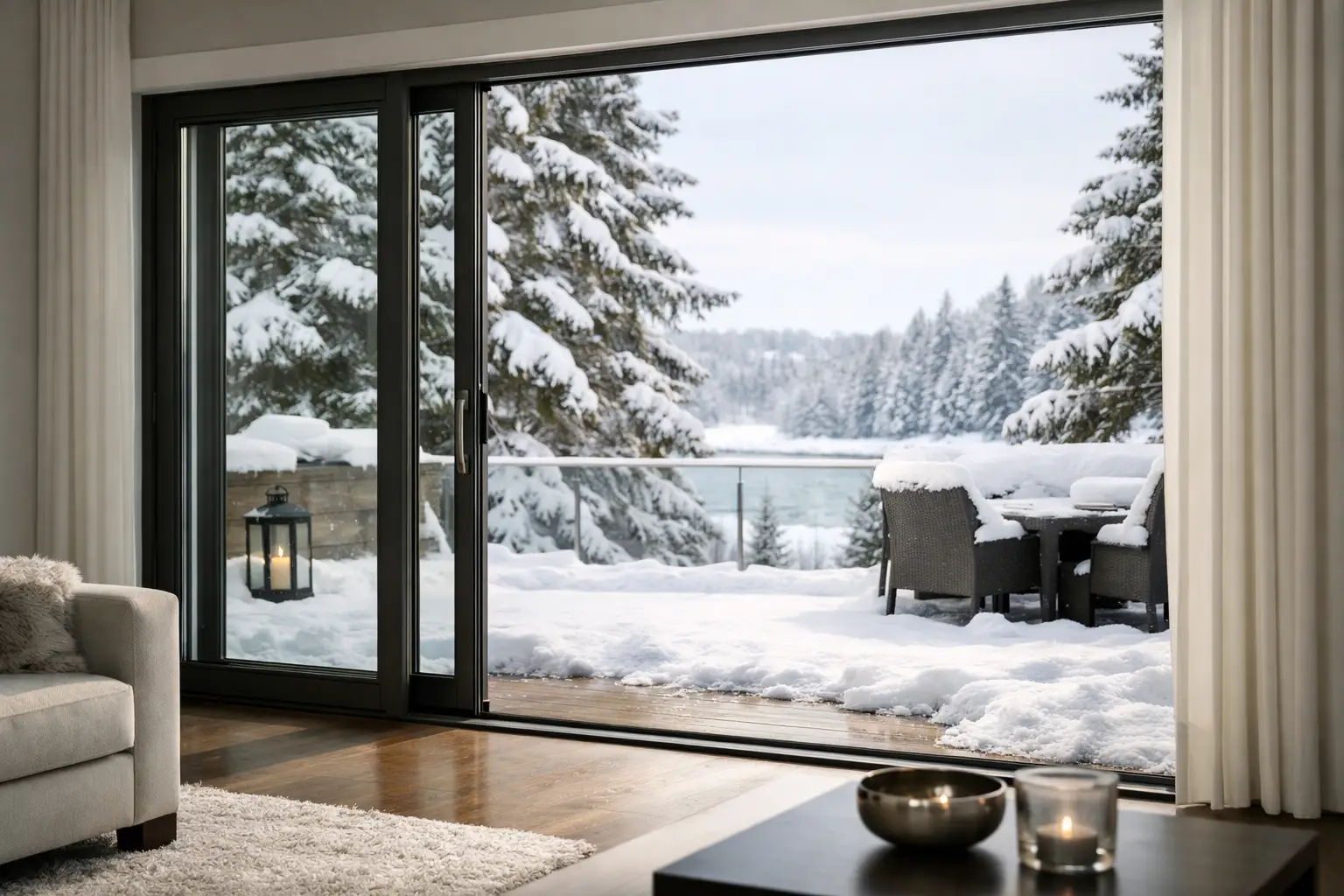
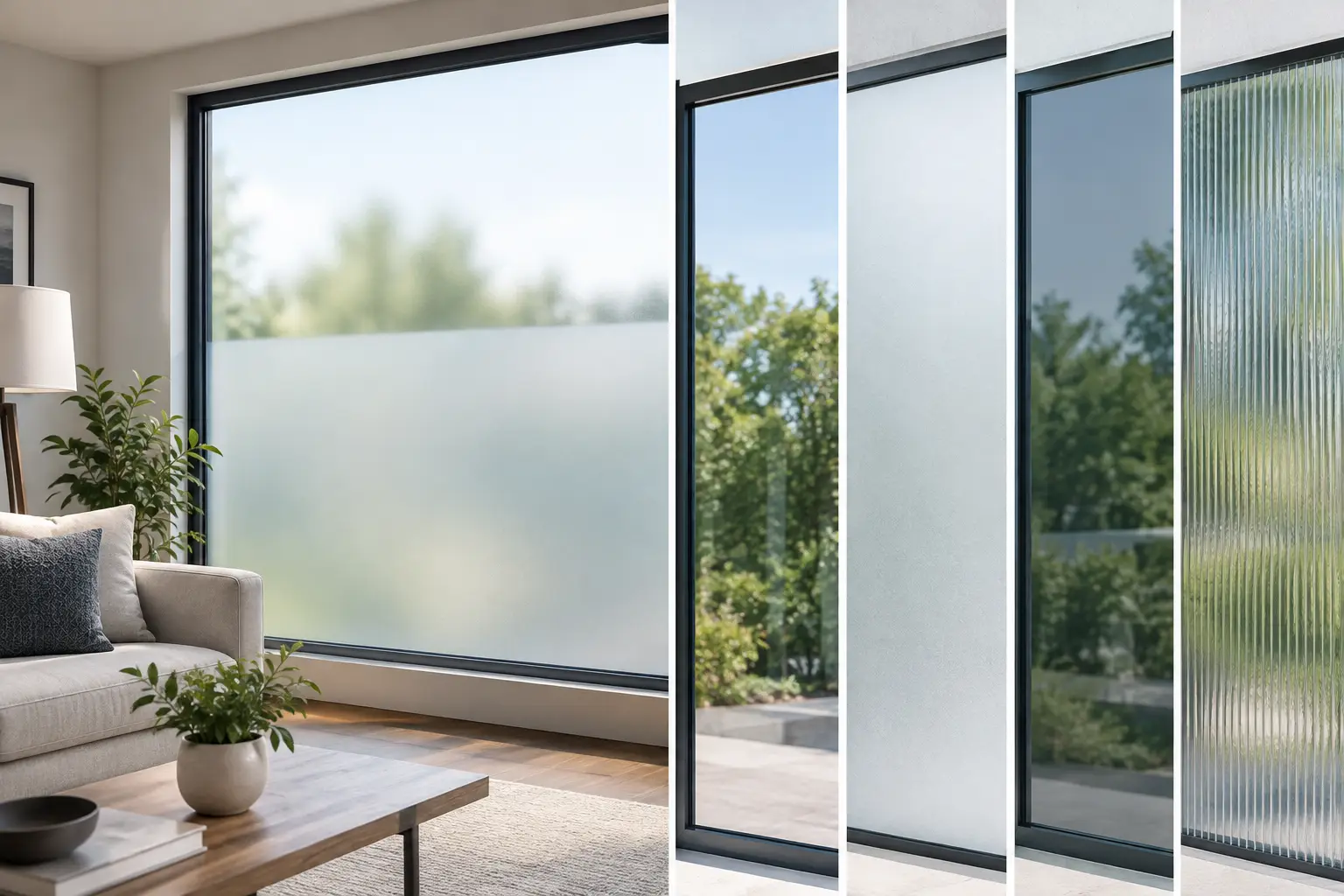
A luxury window can look exceptional and still leave a bedroom exposed to traffic, rail noise, wind, or an active neighbourhood. Learning how to soundproof luxury windows starts with a more useful standard than simply choosing thicker glass: the complete opening must resist sound transmission through the glazing, frame, perimeter seals, and surrounding wall.
For premium homes, acoustic performance should be specified alongside thermal values, sightlines, operability, and glass size. This matters particularly with expansive glazing. Large windows and panoramic doors can create remarkable views, but they also require more deliberate engineering when the property faces a busy road, lakefront wind, commercial activity, or nearby transit.
Soundproofing Starts With the Right Expectation
No operable residential window is completely soundproof. The practical goal is meaningful sound reduction – enough that outside activity becomes less intrusive, speech is harder to distinguish, and rooms feel calm rather than exposed.
The type of noise determines the right specification. High-frequency sound, such as tire hiss or voices, responds differently than low-frequency sound from trucks, construction equipment, aircraft, or bass. A glazing package that performs well in a quiet suburban setting may not be the right answer for a custom home near a major roadway.
Two ratings can help guide the conversation. STC, or Sound Transmission Class, is often used to describe performance against common indoor sound frequencies. OITC, or Outdoor-Indoor Transmission Class, is especially relevant for exterior noise because it places more weight on lower frequencies. Neither rating tells the whole story once a window is installed, but both are more informative than selecting glass by pane count alone.
How to Soundproof Luxury Windows With Better Glass
Glass is the largest surface in most window openings, so it is the first acoustic decision. Triple-pane insulated glass units are a strong foundation for comfort and energy efficiency, but three panes do not automatically produce the best noise reduction. The thickness and composition of each lite matter.
Use asymmetrical glass thicknesses
When panes share the same thickness, they can respond to sound at similar frequencies. An asymmetrical glass build-up uses different lite thicknesses to disrupt that pattern. For example, a unit may combine a thicker exterior pane with thinner internal panes, selected around the expected noise source and the window system’s engineering limits.
This approach is particularly valuable where road traffic is the concern. It can improve acoustic control without sacrificing the clean, substantial appearance expected in a premium window wall.
Specify laminated acoustic glass where it earns its place
Laminated glass bonds two sheets of glass around an interlayer. Acoustic interlayers are designed to damp vibration as sound energy moves through the glass. They can make a noticeable difference on the exterior pane, especially for homes exposed to persistent traffic or urban noise.
Laminated glass also adds a security and safety benefit because the glass tends to remain together after breakage. It is not necessary for every elevation, however. On a sheltered rear façade facing a quiet yard, the added cost may deliver less value than it would on the front elevation beside a busy street. A well-designed project often uses different glass specifications by orientation instead of applying one expensive package everywhere.
Treat the insulated glass unit as a system
The cavity between panes, gas fill, Low-E coatings, and warm-edge spacer all belong to the insulated glass unit. Argon-filled chambers and Low-E coatings are primarily selected for thermal performance, helping maintain warmer interior glass temperatures during Southern Ontario winters. They do not replace acoustic glass design, but they support the overall premium result: quiet rooms that are also comfortable beside the window.
Larger air spaces can influence acoustics, yet there is no universal rule that a wider cavity is always better. Glass configuration, frame depth, unit weight, and the selected system must work together. This is where a product-led specification is more reliable than a single feature claim.
The Frame and Seal Are Not Secondary Details
A high-performing glass unit installed in a weak frame will not deliver the result clients expect. Sound follows air paths. Even narrow gaps around a sash, a poorly adjusted locking point, or an unsealed frame-to-wall joint can reduce the benefit of acoustic glazing.
European-format PVC-U systems from established profiles such as VEKA and Kömmerling use multi-chamber insulated frames, reinforced sections, and compression seals that close firmly around the sash. Quality aluminum systems, including architectural options associated with Aluprof, Reynaers, and Schüco, can also perform exceptionally when they incorporate thermally broken profiles, substantial gaskets, and properly engineered glazing pockets.
The material is not the deciding factor by itself. PVC-U can offer excellent acoustic and thermal value for punched openings, while aluminum is often selected for its structural capacity, narrow visual lines, and ability to carry oversized glass. The right choice depends on the opening size, architecture, exposure, and acoustic target.
Operable configuration also matters. Tilt-and-turn windows use multi-point locking and continuous compression seals, which can be advantageous for air tightness and noise control compared with lower-grade slider assemblies. Fixed glazing is generally easier to seal acoustically because it has no moving sash, but it should be balanced with ventilation requirements and how the room will be used.
Installation Determines Whether the Specification Performs
Luxury windows are not soundproofed at the factory. They are sound-controlled by the finished assembly. A precise installation begins with a sound substrate, correct opening preparation, shimming that preserves frame geometry, and fastening that does not distort the profile.
The perimeter then needs a continuous air seal between the frame and rough opening. Insulating foam may be part of that detail, but foam alone is not a complete air-barrier strategy. Interior and exterior sealing must be coordinated with the wall assembly, drainage plane, and vapour-control approach. The goal is to prevent both drafts and the small air leaks that carry noise directly into the room.
For replacement projects, the existing wall condition deserves attention. Removing a builder-grade window can reveal gaps, compromised insulation, damaged sheathing, or an opening that is no longer square. Covering these conditions with trim may improve appearance while leaving acoustic weaknesses untouched. Proper remediation is less visible, but it has far more impact on comfort.
Oversized sliding doors and panoramic systems need even greater care. Their tracks, interlocks, threshold, and structural support must be installed to exact tolerances. A premium lift-and-slide system can create broad, refined openings with strong sealing performance, but only if the sill is level, the panels are adjusted correctly, and all locking hardware engages as designed.
Identify the Noise Path Before Choosing a Solution
Before replacing windows, spend time identifying where the sound actually enters. Stand near the frame, glazing, and adjacent wall at the time noise is most noticeable. If sound becomes significantly louder near an exterior electrical outlet, a recessed blind pocket, a ventilation opening, or an uninsulated wall section, the window may be only part of the problem.
In older homes, airborne noise can bypass the window through the wall cavity, attic connections, masonry joints, or exterior doors. In that case, specifying the most advanced acoustic glazing alone may produce an improvement, not the transformation the homeowner expects. The correct response may include wall air sealing, door upgrades, or a review of mechanical penetrations.
There is also a practical ventilation trade-off. Opening any window allows exterior sound in, regardless of its closed-window rating. Bedrooms on noisy elevations may benefit from a mechanical ventilation strategy that supplies fresh air without requiring the windows to remain open overnight.
A Smarter Specification for Premium Homes
For a typical luxury renovation beside moderate traffic, a triple-pane unit with asymmetrical glass, airtight multi-seal frames, and a disciplined installation detail can be an excellent starting point. For heavier road or rail exposure, laminated acoustic glass on the exterior lite and careful review of OITC performance are usually justified.
Do not assume every opening needs identical glass. Allocate the most acoustically capable package to bedrooms, home offices, nurseries, and street-facing living spaces. A quieter rear elevation may prioritize solar control, privacy, or the lightest possible visual appearance instead. This targeted approach protects both the budget and the architectural intent.
The most successful window projects make quiet feel effortless: no rattling hardware, no cold downdrafts, no visible compromise in the frame lines, and no need to raise your voice near the glass. Start with the noise source, specify the complete assembly, and insist that installation quality receives the same attention as the window itself.