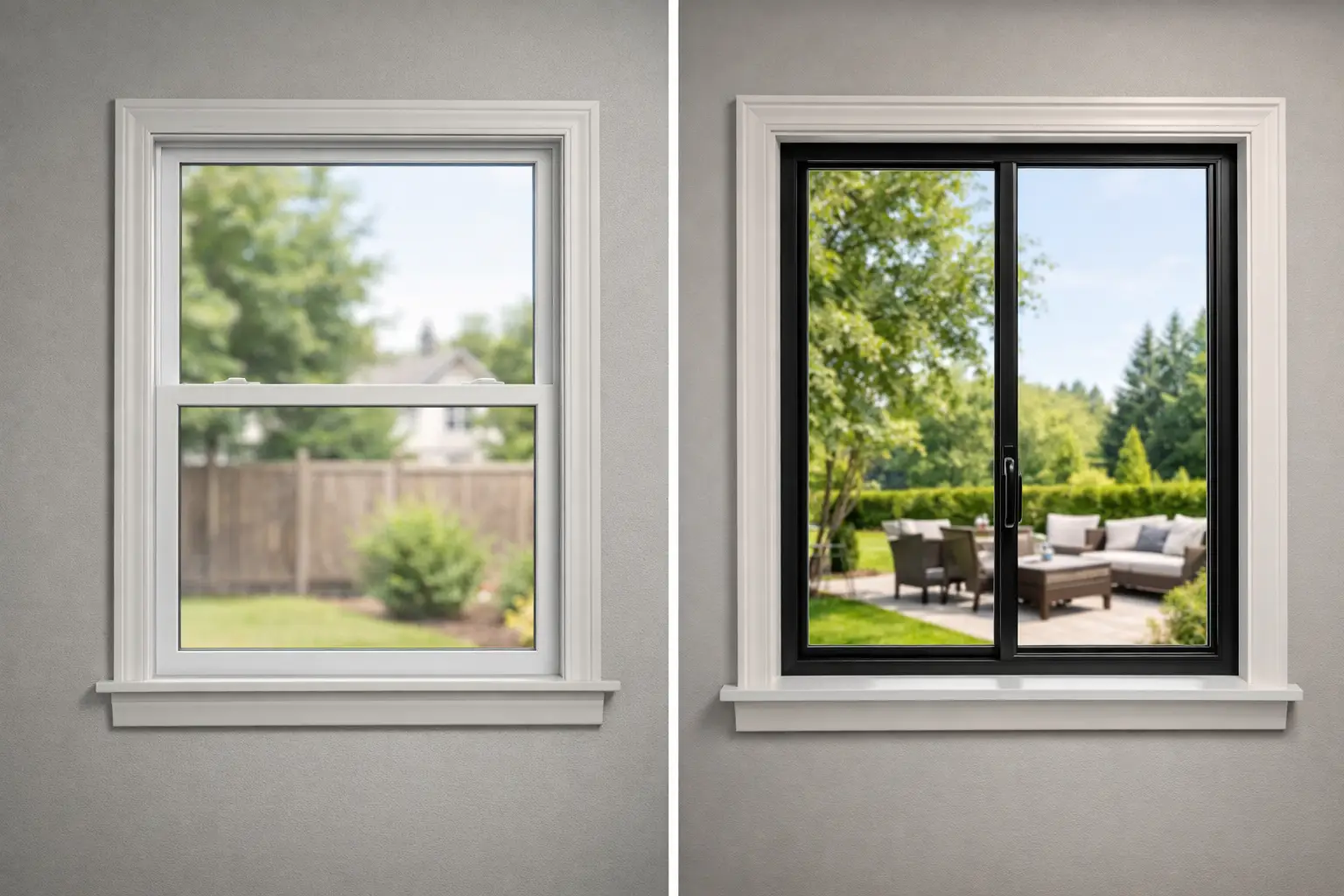
If a home is designed around light, views, and clean lines, standard window systems usually become the weak point fast. Architectural aluminum windows are specified when proportions matter, when openings are larger than average, and when the frame needs to do more with less visual weight.
That appeal is not only aesthetic. In higher-end residential projects, aluminum is often chosen because it can support bigger glass, hold tighter tolerances, and deliver a sharper architectural expression than many builder-grade systems. The better question is not whether aluminum looks modern. It is whether the specific system is engineered well enough for the climate, the opening size, and the performance expectations of the home.
What architectural aluminum windows actually mean
The term is used loosely, which can make comparison difficult. Not every aluminum window qualifies as architectural. In practice, the phrase usually refers to a higher-performance window system designed for premium residential or commercial-grade applications, with slimmer profiles, stronger structural capacity, and more refined hardware and glazing options.
These systems are typically built to accommodate larger panes, taller units, and more demanding design conditions. They are also more likely to include advanced thermal breaks, insulated frame construction, multi-point locking, and glazing packages that support serious energy performance. That distinction matters. A basic aluminum frame and an architectural aluminum system may share the same material, but they do not deliver the same result in comfort, longevity, or finish quality.
Why architects and homeowners choose architectural aluminum windows
The most obvious reason is sightline control. Aluminum has a high strength-to-weight ratio, so frames can stay relatively slim while supporting larger expanses of glass. For contemporary homes, that means more daylight, cleaner elevations, and less visual interruption.
There is also a practical advantage in complex custom projects. Large fixed windows, corner glazing, oversized doors, and panoramic sliding systems place real structural demands on the frame. Aluminum is often the right material when PVC or standard hybrid systems reach their size limits or start to look too heavy.
For many homeowners, the decision comes down to restraint. A well-designed aluminum system does not fight the architecture. It supports it. In minimalist homes, lakefront properties, and major façade upgrades, that difference is visible from both inside and out.
Performance matters as much as appearance
Historically, aluminum had a reputation for poor thermal performance. That reputation was earned by older systems without proper thermal separation. Modern architectural aluminum windows are a different category when they are built with polyamide thermal breaks, insulated profiles, quality gaskets, and high-performance insulated glass units.
A premium aluminum system should be assessed as a full assembly, not just by the frame material. Triple-pane IGUs, argon-filled cavities, Low-E coatings, warm-edge spacers, and well-designed drainage paths all contribute to interior comfort. The goal is a window that delivers slim lines without creating cold surfaces, perimeter drafts, or condensation problems in winter.
This is where product quality and specification discipline matter. Two aluminum windows can look similar in a showroom and perform very differently once exposed to a Canadian heating season. If thermal performance is a priority, the frame, glass, spacer, seal design, and installation method need to work together.
Architectural aluminum windows and energy efficiency
Energy efficiency in aluminum windows is never about one feature. It is the cumulative effect of frame design, glazing specification, air tightness, and installation precision.
A thermally broken frame reduces conductive heat transfer through the metal. Triple glazing improves insulating value and interior glass temperature. Warm-edge spacers help reduce heat loss around the perimeter of the glass, where many windows are most vulnerable. Strong compression seals and quality hardware limit unwanted air infiltration.
For homeowners replacing older builder-grade units, the improvement is often noticeable right away. Rooms feel more stable in winter, perimeter cold spots are reduced, and the glass is more comfortable to sit beside. In urban settings or exposed sites, better sealing also contributes to a quieter interior.
That said, aluminum is not automatically the top thermal performer in every product category. In some openings, premium PVC-U systems can achieve excellent insulating values and may be the stronger fit when maximum thermal efficiency is the primary goal. The right answer depends on the design intent, frame dimensions, glazing size, and budget tolerance.
Where aluminum clearly has the advantage
There are projects where aluminum is not just a style choice but the smarter engineering decision. Large fixed units, tall casements, multi-panel sliders, and openings with demanding wind-load requirements often benefit from aluminum’s structural stability.
It also performs well in homes that prioritize narrow frame geometry. If the design calls for expansive glass and a crisp, contemporary envelope, aluminum usually gives architects more freedom to keep profiles refined without compromising support.
Finish quality is another advantage. Architectural systems are available in durable powder-coated finishes with a broad colour range and a distinctly premium appearance. For clients focused on exterior composition, shadow lines, and coordination with metal cladding or modern façades, that finish consistency matters.
The trade-offs to understand before specifying aluminum
Aluminum is a premium material category, and the price usually reflects that. Compared with entry-level vinyl windows, architectural aluminum windows cost more to manufacture, more to configure, and more to install properly. On custom projects, that cost may be justified by design intent and long-term value. On simpler replacements, it needs to be weighed carefully.
Thermal performance can also vary significantly between systems. A well-engineered European-format aluminum window can perform at a very high level. A lesser system with weaker thermal breaks or lower-grade glazing may not. Buyers should avoid making decisions based on material alone.
There is also less room for installation error on large-format units. The heavier the glass and the tighter the design tolerances, the more important site preparation, anchoring strategy, waterproofing, and alignment become. Premium windows need premium installation. Otherwise, the benefits on paper do not fully translate on site.
What to look for in architectural aluminum windows
When reviewing options, start with the frame system itself. Ask whether the profile is thermally broken and how that thermal barrier is constructed. Then look at the glazing package. Triple-pane glass with Low-E coatings, argon gas fill, and warm-edge spacer technology is often the right baseline for premium residential work in colder climates.
Hardware deserves equal attention. High-end aluminum systems should operate with precision and maintain compression over time. That affects not only security but also air tightness and everyday feel. A large casement or tilt-and-turn unit should move with control, not resistance.
It is also worth asking about sightlines, maximum sash sizes, water management design, and tested performance values for air, water, and structural load. These are not abstract specifications. They tell you whether the system is suited to exposed elevations, oversized openings, and year-round comfort.
Best applications for architectural aluminum windows
They are especially well suited to custom homes with contemporary architecture, major renovations that enlarge openings, and view-driven properties where glass area is a design priority. They also make sense for façade upgrades where the goal is to modernize the exterior without adding visual bulk.
In mixed-material homes, aluminum often works best in feature locations rather than everywhere. A project might use high-performance vinyl or PVC-U in some standard punched openings and reserve aluminum for front elevations, corner windows, or panoramic assemblies. That approach can balance thermal targets, aesthetics, and budget more effectively than a single-material rule.
For homeowners comparing premium systems, this is usually the clearest lens: choose aluminum where its structural capacity, profile refinement, and architectural presence create a visible advantage.
Why the supplier and installer matter
Architectural aluminum windows are not commodity products. The performance of the finished installation depends on system selection, opening design, measurement accuracy, support conditions, and detailing at the interface with the wall assembly.
That is why experienced specification support matters. A knowledgeable supplier can identify when an opening is pushing size limits, when glazing thickness should change, or when a sliding system is more appropriate than an operable window. On larger residential projects, those decisions affect comfort, durability, and the final appearance of the home.
For clients pursuing premium European-format systems, companies such as ECOWIN bring value when the project involves oversized glazing, refined sightlines, and a higher expectation for thermal and acoustic performance. The product is only part of the outcome. Execution is the rest.
Architectural aluminum windows make the most sense when the home asks more from its envelope – more glass, more precision, more performance, and a more disciplined design language. If that is the brief, choosing a stronger system now usually feels like the easier decision every winter after.