A cold window is rarely just a cold window. It can create a draft at the sofa, condensation along the sash, street noise in a bedroom, and a room that never feels as comfortable as the thermostat suggests. So, are triple pane windows worth it? For many Southern Ontario renovations and custom homes, the answer is yes – provided the window system, glass package, and installation are specified as one complete performance decision.
Triple-pane glazing is not simply an extra sheet of glass. In a properly engineered European-format window, it works with insulated PVC-U or thermally broken aluminum frames, multi-point seals, warm-edge spacers, and precise installation to reduce heat loss and improve comfort at the perimeter of the home. The result is most noticeable where homeowners spend time: beside large windows, in exposed bedrooms, and across open-concept rooms with substantial glazing.
What the Third Pane Actually Changes
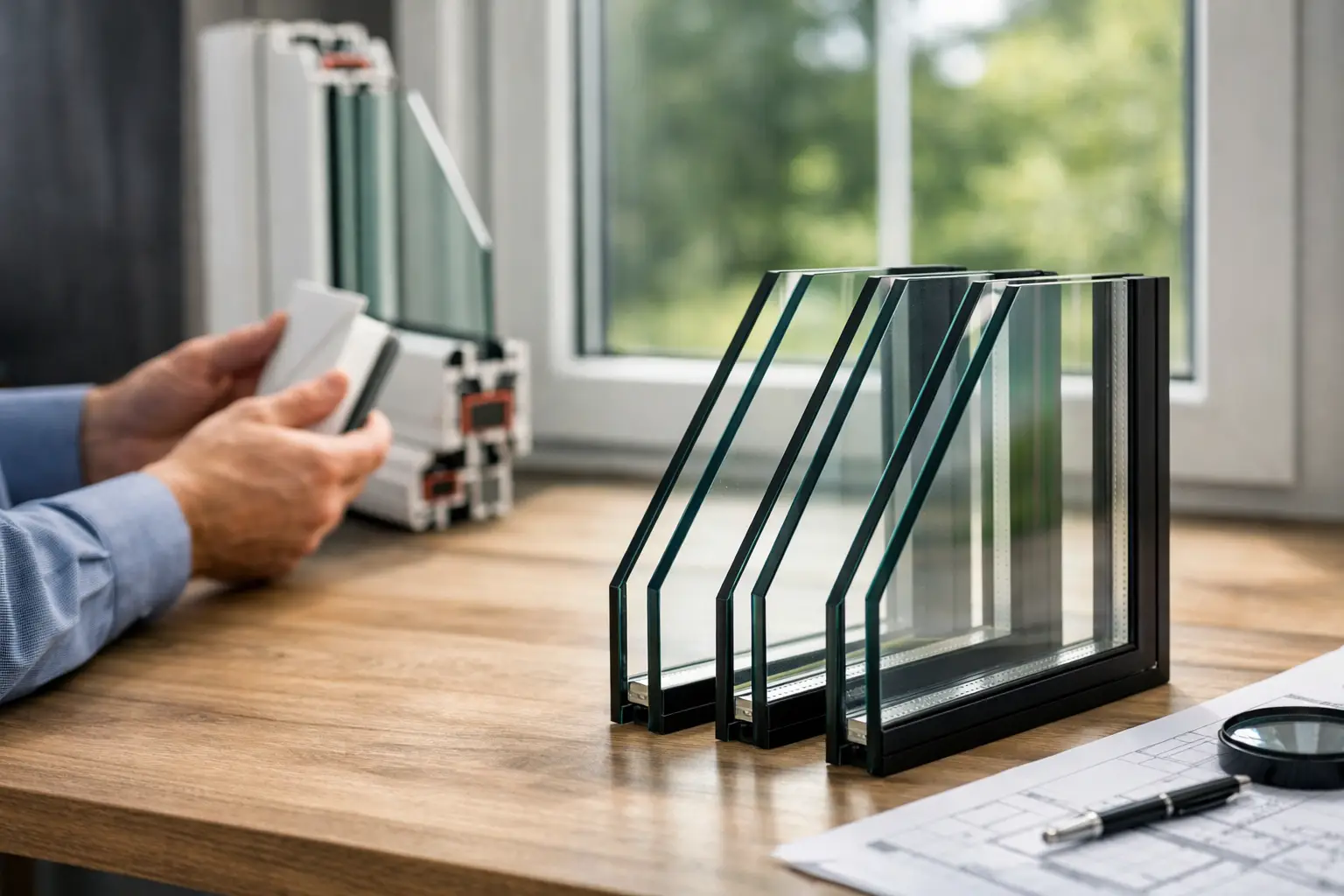
A triple-pane insulated glass unit, or IGU, uses three panes of glass separated by two sealed chambers. Those chambers are commonly filled with argon gas and paired with Low-E coatings that reflect interior heat back into the room during winter while helping manage solar gain at other times of year.
The practical benefit is a lower U-factor, which means less heat moves through the window assembly. Better glass performance also raises the interior surface temperature of the glass. On a February evening, that difference matters. A window may still feel cool compared with an insulated wall, but it is far less likely to create the radiant chill that makes a seat near the glass undesirable.
Triple-pane units can also improve acoustic performance, although the third pane alone is not a guarantee of silence. Glass thickness, pane spacing, laminated glass, frame construction, and airtight installation all affect sound reduction. For homes near busy roads, rail corridors, or active neighbourhoods, the right acoustic glass specification can be as valuable as the added thermal performance.
Are Triple Pane Windows Worth It for Ontario Homes?
Ontario has a demanding mix of winter cold, wind-driven rain, humid shoulder seasons, and increasingly warm summers. That makes window performance more consequential than it is in a mild climate. A high-quality triple-pane package helps reduce winter heat loss, but it also supports a more stable interior environment through the full year.
They are especially worthwhile when replacing older double-pane windows, builder-grade units with weak seals, or windows that show interior condensation. If the existing frames are drafty or the glazing has failed, a premium replacement does more than improve an energy rating. It changes how the room functions.
In a custom home, triple-pane glazing is often the appropriate starting point rather than an upgrade. Larger openings, taller ceilings, and panoramic sliders increase the amount of glass in the building envelope. As glazing area grows, weak window performance becomes difficult to hide. A well-designed triple-pane system allows architects and homeowners to use generous glass areas without accepting the same level of cold spots, noise, or discomfort.
Comfort is usually the strongest return
Energy savings matter, but comfort is the return homeowners notice every day. Higher interior glass temperatures reduce downdrafts and make the area around windows more usable. That is significant in a kitchen with a wide patio door, a primary suite with corner glazing, or a living room designed around a view.
Triple-pane windows can also reduce the risk of interior condensation because the glass and edge of glass stay warmer. They cannot solve every condensation issue – high indoor humidity, inadequate ventilation, and extreme exterior temperatures still matter – but they provide a more resilient surface than lower-performing glazing.
Where the Premium Pays Off Most Clearly
The value of triple-pane windows depends on the home and the opening. They make the most sense in projects with meaningful exposure, large glass areas, or a clear comfort problem. North-facing elevations, wind-exposed sites, and bedrooms above garages are common examples. So are renovations where new windows must perform beside upgraded insulation and air sealing.
They are also a strong fit for contemporary architecture. Slim sightlines and oversized glazing should not require a compromise on thermal quality. Premium systems from established European profile and aluminum platforms are engineered to carry larger insulated glass units while maintaining compression seals, hardware alignment, and structural stability.
For a home on a loud street, specify for sound rather than assuming any triple-pane unit will perform equally. An asymmetrical glass build-up, such as panes with different thicknesses, can interrupt a broader range of sound frequencies. Laminated glass may add further improvement. The best package balances acoustic requirements with thermal targets, glass weight, and the capabilities of the chosen frame.
The Specification Matters More Than the Pane Count
A low-priced triple-pane window can still be a poor long-term investment if the frame, seals, hardware, or installation are under-engineered. The pane count is only one part of the assembly. Compare complete system performance and ask what is included in the quoted configuration.
For a premium residential project, look closely at these details:
- Whole-window thermal performance: Centre-of-glass values can look impressive, but the frame and edge of glass affect the actual installed window performance.
- Low-E coating and solar heat gain: The right coating should suit orientation. A large south-facing elevation may need a different strategy than shaded north-facing bedrooms.
- Warm-edge spacer technology: Better spacers reduce heat transfer at the perimeter of the IGU, where condensation risk is often greatest.
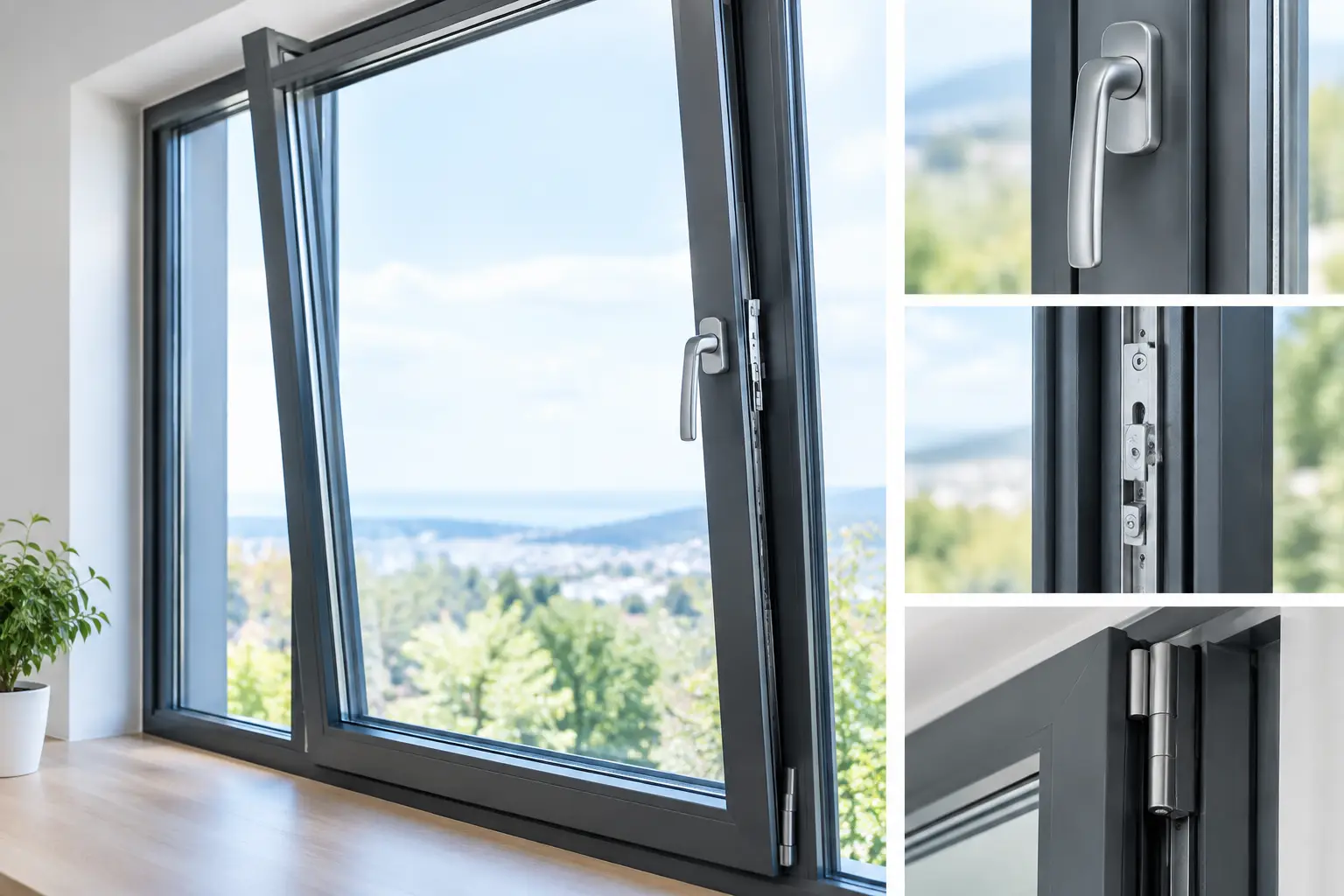
- Frame and reinforcement: Multi-chamber PVC-U profiles, steel reinforcement where required, and thermally broken aluminum systems support durability and tighter seals.
- Air and water performance: Large openings need well-designed gaskets, drainage paths, and installation details that manage Southern Ontario weather.
- Installation scope: Proper shimming, fastening, insulation, air sealing, flashing, and interior finishing determine whether the window performs as designed.
This is why two triple-pane quotes can differ substantially in price. One may include a heavier, argon-filled IGU, premium hardware, reinforced profiles, and a carefully detailed installation. The other may offer only an additional pane in a basic frame. They are not equivalent products, even if both are described as triple-pane.
When Double Pane May Be the Better Choice
Triple pane is not mandatory for every opening. A high-quality double-pane unit can be reasonable for a modestly sized window in a protected location, a seasonal space, or a project with a tightly controlled budget. It may also be the practical choice where an existing structure cannot accommodate the weight or depth of a particular triple-pane system without additional work.
The key is to avoid treating double pane as a default and triple pane as an automatic luxury upgrade. Compare the expected comfort, exposure, glass area, and lifespan of the project. If a window will remain in place for decades, the upfront difference should be weighed against years of better thermal comfort, lower condensation risk, and a more refined living environment.
Payback should also be considered honestly. Energy-bill savings alone may not repay the full premium quickly, particularly in an already efficient, compact home. The stronger case is often a combination of reduced energy use, better comfort, quieter rooms, architectural freedom, and long-term durability. For design-conscious homeowners, those benefits are not secondary. They are the reason to invest.
Make the Decision Opening by Opening
The best window package is rarely identical throughout the home. A north-facing bedroom, a west-facing great room, a front elevation exposed to traffic, and a large lift-and-slide door each place different demands on the glazing. ECOWIN evaluates these conditions alongside frame material, opening size, and architectural intent to build a system that performs as well as it looks.
If your current windows leave the perimeter of the room cold, noisy, or prone to condensation, triple-pane glazing is usually a meaningful upgrade. Choose it as part of a complete high-performance window system, then let the comfort of the finished room justify the decision every day.