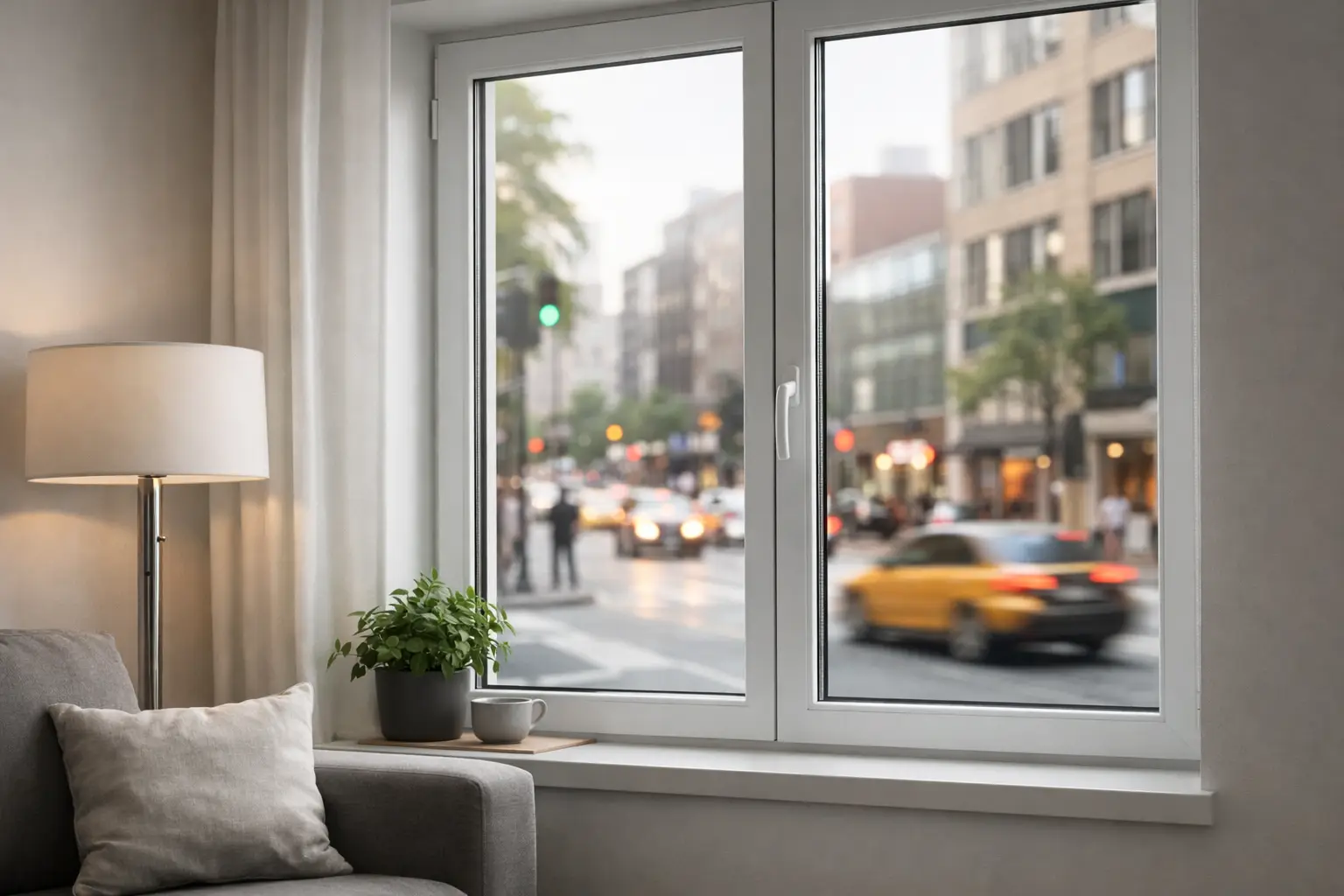
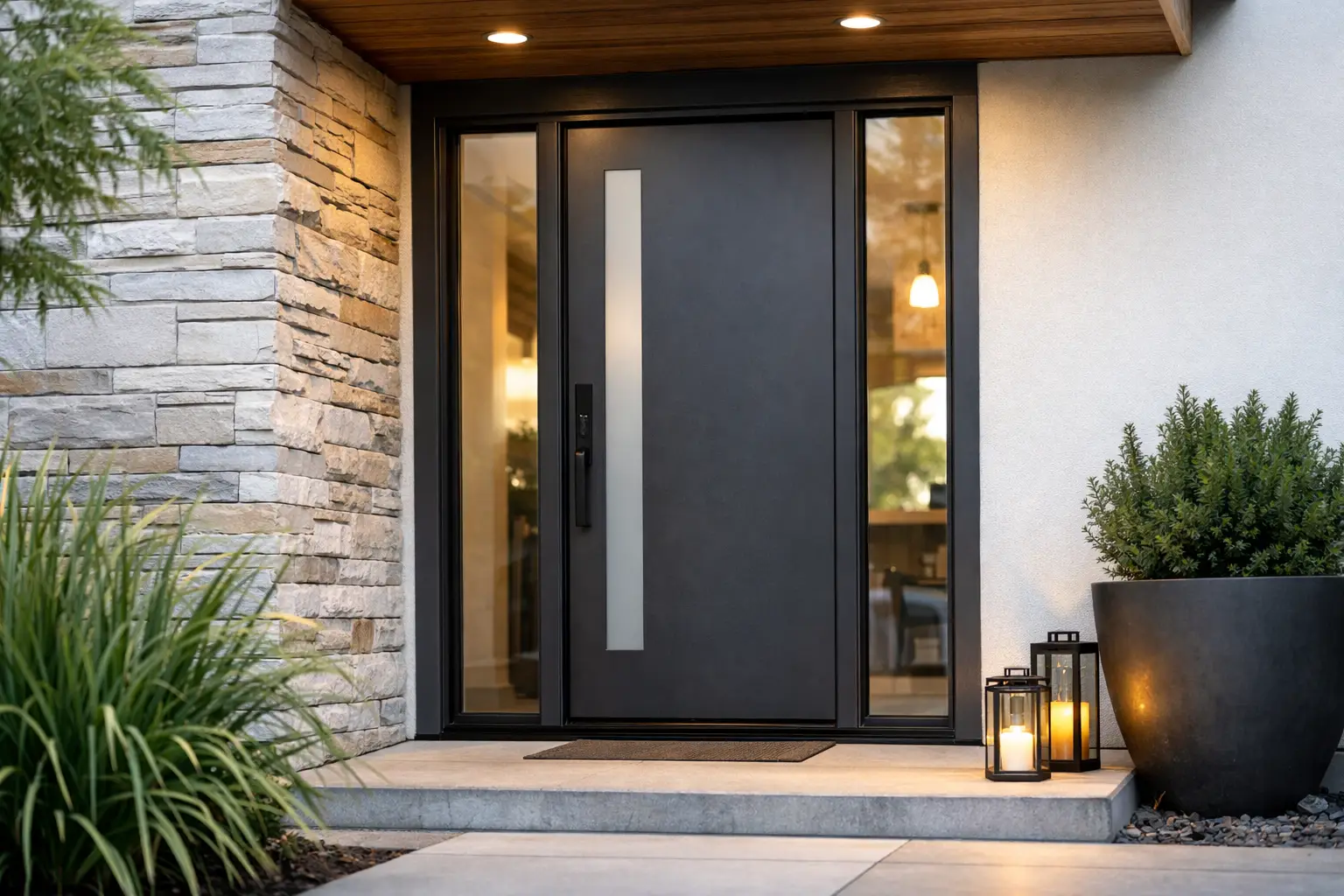
A window can have excellent triple-pane glass and still underperform if its frame is poorly insulated, undersized for the opening, or installed without proper air and water management. That is why learning how to compare window frame materials is less about choosing a label such as vinyl or aluminum and more about assessing the complete system: profile design, reinforcement, glazing capacity, seals, thermal breaks, hardware, and installation.
For Southern Ontario homes, the decision has real consequences. Frames affect indoor surface temperatures during January cold snaps, the amount of street noise entering a bedroom, the size of glass walls a home can support, and how the façade will look after years of sun, rain, and temperature change. A premium window should be specified for the architecture and exposure of the home, not selected from a material ranking alone.
Start by comparing performance, not material names
Vinyl, aluminum, wood, fibreglass, and steel each have legitimate applications. The useful question is not which material is universally best. It is whether a particular frame system can deliver the thermal, structural, visual, and operational performance your project requires.
A high-quality PVC-U window with multi-chamber profiles, proper reinforcement, triple-pane insulated glass units, and multiple compression seals can substantially outperform a basic vinyl replacement window. Similarly, an architectural aluminum system with a well-designed thermal break can support large, clean-lined openings that would be impractical in many standard residential frames.
When comparing quotes, ask for information on the actual system being offered. Profile depth, wall thickness, reinforcement approach, maximum sash size, glass thickness, thermal break construction, and hardware type are more meaningful than a broad claim that a window is “energy efficient.”
Compare thermal performance at the frame and whole-window level
In a cold Canadian climate, the frame is not a minor detail around the glass. It is part of the building envelope. Weak frame insulation can create cold perimeter zones, lower interior glass-edge temperatures, and increase the likelihood of condensation when indoor humidity rises.
PVC-U: naturally insulating and highly effective
Premium PVC-U, commonly called vinyl, is naturally low-conductivity. Multi-chamber European-format profiles create insulated air spaces within the frame, helping reduce heat transfer without relying on a separate thermal break. This makes PVC-U a strong choice for bedrooms, living areas, renovations, and projects where high thermal performance is the primary concern.
The distinction between entry-level and premium vinyl matters. Look for reinforced profiles where required, welded corners, deep glazing pockets, quality gaskets, and a triple-pane package that uses Low-E coatings, argon gas fills, and warm-edge spacer technology. A well-specified system from brands such as VEKA or Kömmerling can provide a refined profile and meaningful comfort improvement over standard builder-grade windows.
Aluminum: strength with thermal-break engineering
Aluminum is conductive, so an uninsulated aluminum frame is not appropriate for a high-performance residential exterior wall in this climate. Architectural aluminum systems address this through thermal breaks – insulated barriers that separate interior and exterior aluminum sections and interrupt heat flow.
The quality of that thermal break, together with frame depth and glazing configuration, determines how well the system performs. Premium thermally broken aluminum systems can achieve excellent whole-window results while retaining the stiffness needed for large spans, narrow sightlines, and substantial glazed doors. They are particularly compelling for contemporary façades, panoramic sliders, corner glazing, and oversized fixed windows.
Do not compare an insulated architectural aluminum system to a basic aluminum storefront frame. They may share a visible material, but they are engineered for entirely different levels of residential comfort and weather resistance.
Wood, fibreglass, and steel: assess the specific construction
Wood offers natural insulation and a distinctive interior finish, but it requires careful exterior protection and maintenance. Clad wood systems can reduce upkeep, although detailing, drainage, and finish quality remain critical.
Fibreglass is dimensionally stable and can perform well thermally, but available profiles, colours, opening sizes, and hardware options vary by manufacturer. Steel delivers very slim sightlines and exceptional strength, making it valuable for highly architectural applications. Its thermal performance depends heavily on insulated profile design and is typically specified where the visual effect justifies the investment.
Match structural capacity to the opening
Frame material strongly influences what can be built, but profile geometry and reinforcement matter just as much. A small casement window and a three-panel lift-and-slide door should not be evaluated by the same criteria.
PVC-U systems are highly capable for conventional and generously sized residential windows, particularly when they use appropriate steel or composite reinforcement. However, wide openings, unusually tall panels, and very heavy triple-pane glass can push a design toward aluminum. Aluminum’s inherent stiffness allows narrower profiles to carry heavier loads with less deflection, preserving sightlines and reliable operation.
For expansive views, the frame should support the glass rather than compete with it. This is where advanced aluminum platforms associated with Aluprof, Reynaers, or Schüco are often specified. They can accommodate large insulated glass units, multi-panel sliding configurations, and refined drainage details while maintaining a disciplined architectural appearance.
Ask for the proposed maximum panel dimensions and glass weights, not just a rendering. A system that looks elegant on paper must still operate smoothly after years of use, wind pressure, and seasonal movement.
Evaluate sightlines, colour, and architectural expression
A frame is one of the most visible lines on a façade. Material choice affects how much glass is visible, how corners are resolved, and whether the window suits the home’s architectural language.
PVC-U profiles are generally deeper and visually more substantial than aluminum, though premium systems have cleaner proportions than conventional vinyl windows. They work particularly well on traditional, transitional, and contemporary homes where warmth, performance, and value are priorities.
Aluminum permits slimmer visual sections and sharper geometry. It is often the right decision when a home calls for dark frames, large uninterrupted panes, flush exterior lines, or a minimal contemporary aesthetic. Durable powder-coated finishes also provide broad colour choice, including textured and metallic options.
Colour deserves practical consideration. Dark exterior frames absorb more solar heat, especially on south- and west-facing elevations. A reputable system supplier should confirm that the selected profile, finish, and glass combination is suitable for the orientation and expected thermal movement of the installation.
Consider maintenance and long-term appearance
No window frame is maintenance-free, but maintenance demands differ. PVC-U does not require painting and is straightforward to clean. Quality formulations resist weathering, though homeowners should select a proven profile system rather than assuming all vinyl performs equally under UV exposure and temperature swings.
Powder-coated aluminum is also low-maintenance and highly durable. It is a strong option for difficult-to-access upper-storey windows, large glazed walls, and dark architectural finishes. Surface damage should still be addressed promptly, particularly near coastal or high-exposure environments.
Wood requires the most attention. Its appeal can be worth the commitment in the right home, but it should be specified with a clear plan for inspection, finishing, and water management. The failure of a wood frame is often a moisture-detailing problem before it becomes a material problem.
Make whole-window ratings and installation part of the comparison
A frame cannot be judged in isolation from its glass and installation. Request whole-window thermal values rather than centre-of-glass figures, which can make a glazing package appear better than the completed product will perform. The whole-window result accounts for the frame, edge spacer, glass, and sash configuration.
For a premium residential project, triple-pane insulated glass units are often the appropriate baseline, especially in bedrooms, large living areas, and exposed elevations. Low-E coatings control heat transfer, argon-filled cavities improve insulation, and warm-edge spacers reduce cold bridging around the perimeter of the glass. Acoustic glass configurations may also be valuable near busy roads, rail corridors, or active neighbourhood streets.
Installation is equally decisive. The best frame material cannot compensate for gaps at the rough opening, poor flashing, insufficient shimming, or improper sill drainage. The installer must account for wall assembly, exterior cladding, water shedding, air sealing, and the movement characteristics of the frame. This is especially important with oversized aluminum glazing, where tolerances and weight demand experienced site coordination.
Use cost as a project-value decision
PVC-U usually provides the strongest thermal performance per dollar for standard residential openings. Aluminum typically carries a higher initial cost because of its profile engineering, thermal breaks, fabrication, and capacity for larger formats. Wood, steel, and specialty systems may cost more again, depending on finish, configuration, and detailing.
The lowest quote is rarely the lowest lifetime cost if it delivers colder rooms, more noise, limited glass area, or premature replacement. Conversely, specifying architectural aluminum for every small opening may not be the most effective allocation of a project budget. Many well-designed homes use high-performance PVC-U in conventional openings and reserve aluminum for major sliding doors, feature windows, and view-facing façades.
The right comparison produces a frame strategy, not a one-material verdict. Choose insulated PVC-U where warmth and efficiency lead the brief; choose thermally broken aluminum where scale, slim sightlines, and architectural ambition demand it; and ensure every system is paired with high-performance glass and exacting installation. The result should feel simple every day: warmer rooms, quieter interiors, smooth operation, and views framed with intention.