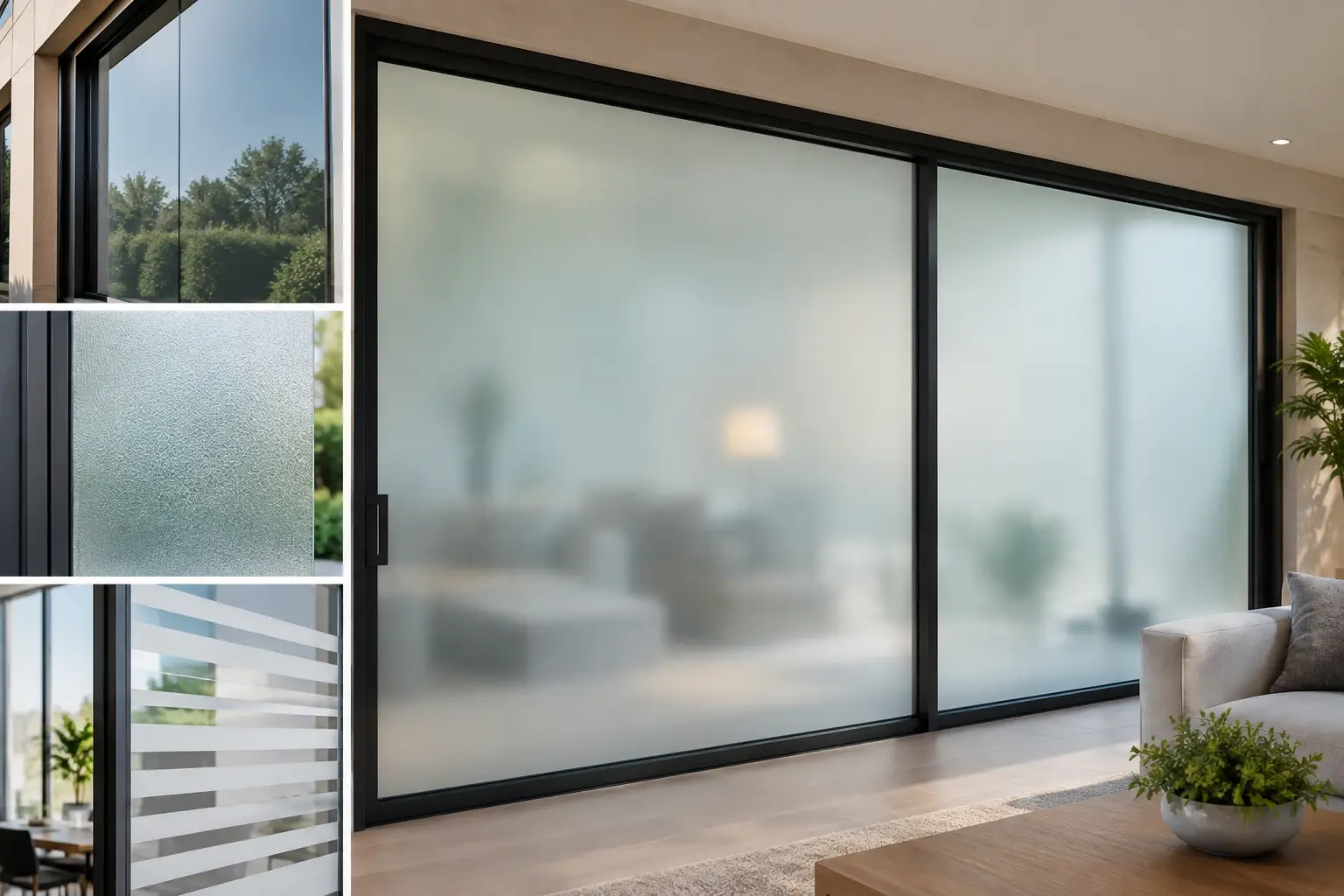
A wall of glass can transform a custom home – but only when it performs as well as it looks. This luxury home glazing guide is designed for homeowners and project teams selecting windows, doors, and large-format glass for a higher standard of comfort, quiet, and architectural precision.
In Southern Ontario, glazing must handle more than a beautiful view. It needs to manage winter cold, summer solar gain, wind exposure, condensation risk, street noise, and the structural demands of larger openings. The right specification delivers clear sightlines without leaving a room feeling cold beside the glass.
Luxury home glazing starts with the whole system
Premium glazing is not simply a thicker piece of glass. It is the coordinated performance of the insulated glass unit, frame, seals, hardware, reinforcement, drainage, and installation detailing. A high-spec glass package placed in a weak frame or poorly prepared opening will not deliver the result expected in a luxury renovation or custom build.
This is why U-value, air tightness, solar heat gain, acoustic ratings, and frame construction should be reviewed together. The goal is not to choose the highest number in one category. It is to specify a complete system that suits the elevation, opening size, home design, and how the room will actually be used.
For example, a north-facing bedroom may prioritize a low U-value and acoustic comfort. A west-facing great room with expansive glazing may require careful solar-control glass selection to avoid overheating in late afternoon. The same window specification is rarely ideal for every wall of the house.
Begin with orientation, views, and room comfort
Before comparing brands or finishes, assess what each elevation needs to do. Orientation drives solar exposure. A waterfront or escarpment-facing façade may also contend with higher winds. Homes near major roads, rail corridors, or active neighbourhoods need a more deliberate acoustic strategy.
South-facing glass can provide welcome daylight and useful passive solar warmth in winter, but too much unshaded glazing can create glare and excessive interior temperatures in summer. West-facing rooms are often the most difficult because low-angle afternoon sun is intense and harder to control. Exterior overhangs, screens, pergolas, and interior shading all have a role, but the glass coating must be selected first.
Views matter as well. Large panes, narrow sightlines, and minimal mullions can make a dramatic difference in a ravine, lakefront, or contemporary backyard setting. Yet larger glass units are heavier, and operable panels require stronger hardware, precise alignment, and appropriate structural support. Architectural ambition should be supported by engineering, not treated as an afterthought.
Specify the insulated glass unit with care
For Canadian luxury homes, triple-pane insulated glass units are often the appropriate starting point. Compared with many conventional double-pane packages, triple glazing adds another pane of glass and another sealed chamber. Combined with argon gas fills, Low-E coatings, and warm-edge spacer technology, it can materially improve interior glass temperatures and reduce heat loss.
That translates into a more comfortable seat beside the window during January, less downdraft at floor level, and a lower chance of interior condensation when indoor humidity rises. It also helps a home maintain a more even temperature from the centre of the room to the perimeter.
Low-E coatings are not one-size-fits-all
Low-emissivity coatings reflect radiant heat while allowing visible light through. Their exact placement and formulation affect U-value, solar heat gain coefficient, visible light transmission, and exterior reflectivity. This is where a seemingly simple request for “clear glass” needs more discussion.
High solar-gain glass may suit a shaded or north-facing elevation where winter warmth is valued. Solar-control Low-E glass can be a better fit for exposed south and west façades, especially in rooms with broad sliding doors and limited exterior shading. The trade-off is that stronger solar control may slightly reduce daylight or alter the visual character of the glass.
Tinted, reflective, or fritted glass can also be useful in select applications, but should be chosen carefully. A darker coating may improve glare control while making an interior feel less bright on overcast days. Exterior reflectivity can change the appearance of a façade substantially. Review samples outdoors and consider the glass against the home’s cladding, stone, and surrounding landscape.
Warm-edge spacers and gas fills support real comfort
The spacer separates panes around the perimeter of an insulated glass unit. A warm-edge spacer reduces heat transfer at this vulnerable edge compared with older conductive spacer designs. It is a small component with an outsized effect on perimeter glass temperatures and condensation resistance.
Argon-filled chambers are standard in many premium IGUs because argon slows heat transfer better than air. Krypton can be considered for specialized narrow cavities, although it adds cost and is not necessary for every project. The best choice depends on the glass build-up, system depth, and performance target.
Frame material determines more than appearance
Glass does not perform independently of the frame. Premium PVC-U systems from manufacturers such as VEKA and Kömmerling provide multi-chamber insulated profiles, strong weather seals, and excellent thermal performance. They are particularly effective where homeowners want refined proportions, dependable operation, and a warm interior perimeter without moving to a metal system.
Architectural aluminum systems associated with Aluprof, Reynaers, or Schüco are often selected for larger spans, narrow contemporary sightlines, and expansive sliding configurations. Thermally broken aluminum profiles can deliver impressive performance, but thermal break design, glass specification, and frame depth matter greatly. Not all aluminum windows perform at the same level.
Steel-look systems offer another design direction, especially for heritage-inspired renovations and highly articulated modern façades. Their slender profiles can be visually compelling, but they should be evaluated carefully for thermal performance, opening size, and budget. The correct material is the one that meets the architectural brief without compromising comfort or durability.
Large-format sliding doors require a higher standard
Panoramic sliding systems are among the most rewarding upgrades in a luxury home. They extend views, improve daylight, and create a stronger connection between the interior and terrace. They also demand more than a standard patio-door approach.
Oversized panels place significant loads on rollers, tracks, locking points, and the supporting structure. Lift-and-slide hardware is often preferred for substantial panels because it raises the sash off its seals during operation, then lowers it into a secure, compressed weather seal when closed. The result is smoother movement and stronger air and water resistance.
Flush thresholds deserve equal attention. A near-level transition can look exceptional and improve accessibility, but it must be detailed around drainage, waterproofing, snow, and finished exterior grades. A clean threshold line is only successful when the water-management strategy behind it is equally refined.
Security and acoustics belong in the specification
Luxury glazing should make a home feel protected as well as open. Multi-point locking, reinforced profiles, laminated security glass, and properly engineered hardware all contribute to resistance against forced entry. For entrance doors and accessible ground-floor openings, these details should be specified deliberately rather than added late in the process.
Acoustic performance is similarly dependent on the full assembly. Laminated glass can reduce certain sound frequencies, while different pane thicknesses in an IGU help disrupt sound transmission. Air gaps, compression seals, frame construction, and installation quality all matter. A triple-pane unit is not automatically the quietest solution if its glass thicknesses are identical and the surrounding system leaks air.
For homes near traffic or other persistent noise sources, identify the sound issue early. Low-frequency road noise, intermittent aircraft noise, and high-frequency voices may require different glazing approaches. A project-specific recommendation is more reliable than choosing glass based on pane count alone.
Installation protects the investment
Even a premium European-format window or door can underperform if it is installed without proper shimming, anchoring, flashing, insulation, and air-sealing continuity. Large units also require accurate opening dimensions and careful handling to prevent stress on glass, frames, and hardware.
Installation should account for the wall assembly rather than treating the window as an isolated component. Drainage planes need to direct water outward. Interior air sealing should connect to the home’s air barrier. Exterior detailing must allow the system to shed water without trapping it behind cladding or trim.
For ambitious projects, ECOWIN approaches glazing as a coordinated exterior-envelope decision. That is particularly valuable where oversized sliders, curtain-wall-style assemblies, custom entrance doors, or multiple façade materials meet at one opening.
What to review before approving glazing
Ask for the performance values of the complete system, not only the centre-of-glass number. Confirm the proposed U-value, air infiltration rating, water penetration resistance, glass coating, spacer type, frame material, reinforcement, hardware, and warranty coverage. For large operable panels, review panel weights, sill details, structural support requirements, and how the finished floor will meet the threshold.
Also insist on elevation-specific thinking. The ideal glass for a shaded bedroom is not necessarily the right choice for a west-facing wall of sliding doors. This is where a proper glazing schedule earns its value.
The best luxury glazing does not announce itself through a long list of specifications. You notice it on a cold morning when the room stays comfortable by the window, during a storm when the house remains quiet, and every time a large opening frames the view without distracting from it.