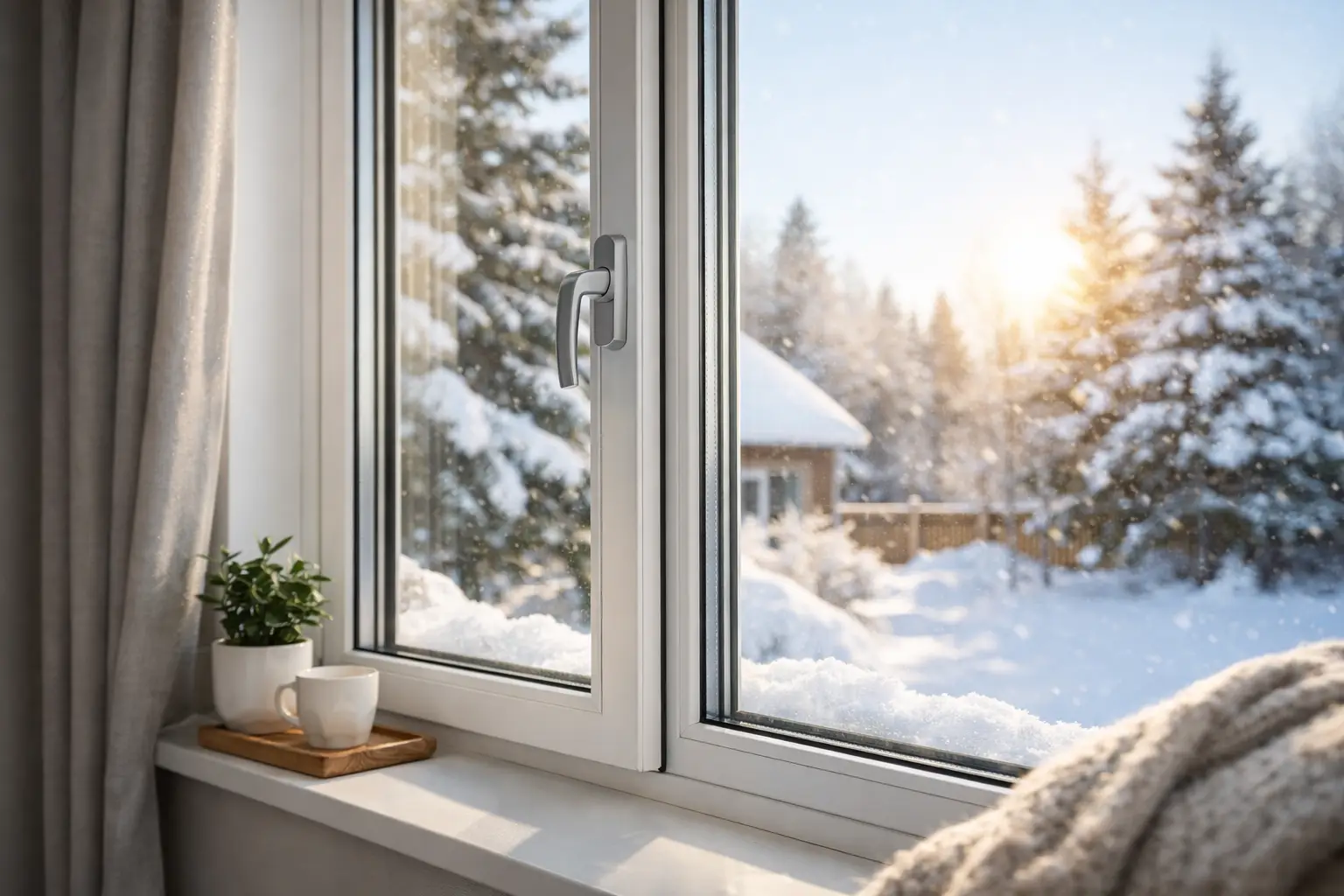
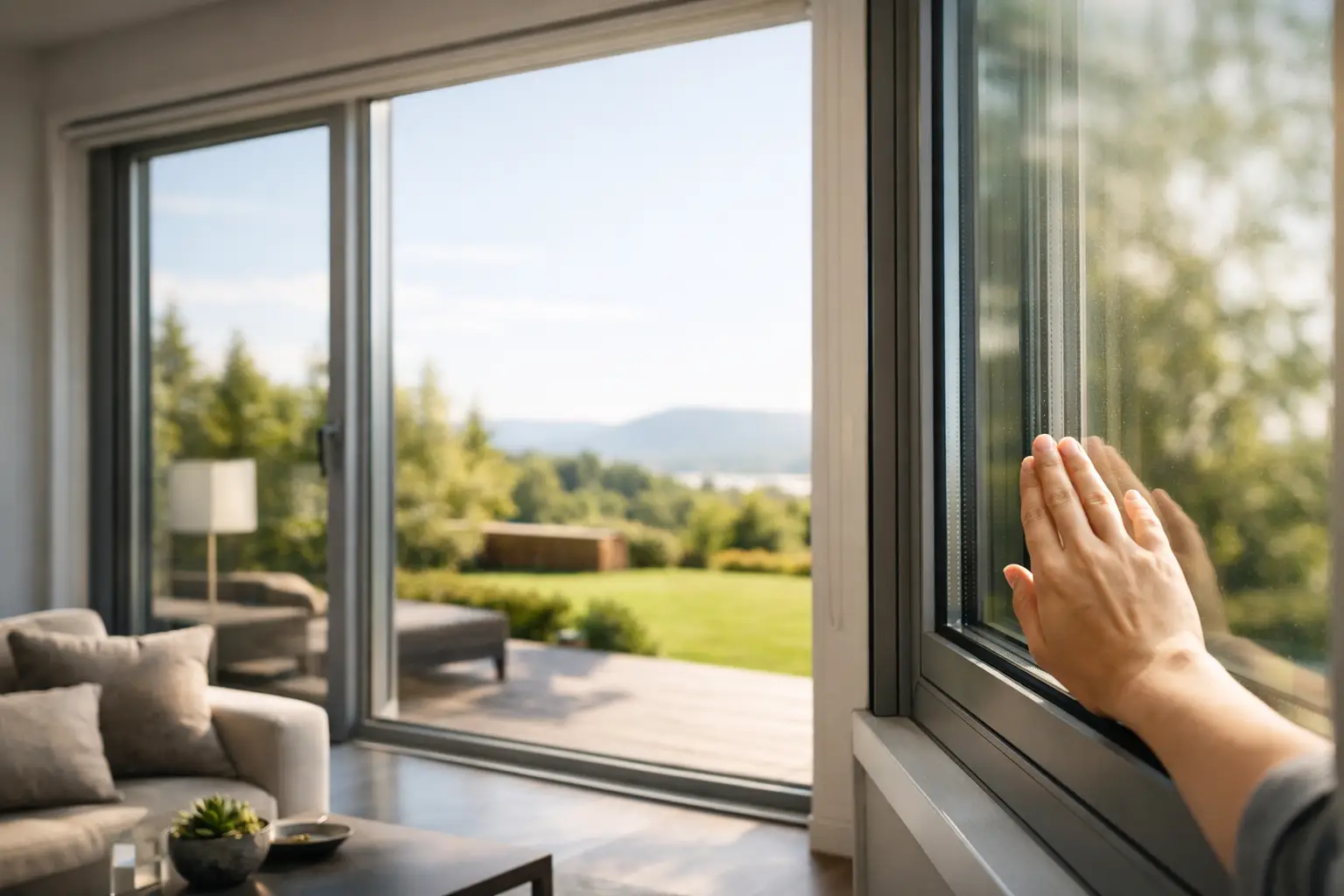
A wall of glass can make a home feel extraordinary – right up until winter drafts, summer heat gain, frame deflection, or awkward sightlines remind you that large openings demand more than standard window thinking. The best windows for large openings are not simply the biggest units available. They are carefully selected systems that balance span, structural integrity, thermal performance, hardware quality, and the way the home is actually used.
For custom homes, major renovations, and view-oriented additions, that distinction matters. Large-format glazing changes the engineering of an exterior wall. It affects comfort near the glass, acoustic control, solar gain, air tightness, and even how refined the façade looks from the street. If the goal is expansive views without the usual compromises, product category matters as much as glass size.
What makes the best windows for large openings?
The answer depends on the opening itself. A wide living room elevation facing a ravine requires a different solution than a tall stairwell window, a corner great room, or a rear wall that needs direct access to a terrace. In premium residential projects, the right choice usually comes down to three questions: does the system carry the span properly, does it perform in a Canadian climate, and does it preserve the clean architectural look the project is aiming for?
That is why oversized openings rarely suit builder-grade windows. Standard North American units often reach their visual and structural limits quickly. As glass sizes increase, weak frames, basic hardware, and low-spec sealed units become more obvious. The result can be flexing, heavier sightlines than expected, and poor perimeter comfort during cold weather.
European-format systems are often better suited because they are designed around stronger profiles, more advanced hardware, better seals, and higher-performance glazing packages. Triple-pane insulated glass units, warm-edge spacers, argon-filled chambers, reinforced PVC-U frames, and thermally broken aluminum all become more relevant as the opening grows.
Fixed picture windows are often the best starting point
If the priority is view, daylight, and architectural clarity, fixed windows are usually the strongest answer. They can achieve larger dimensions than operable units because they do not need sash hardware, hinges, or sliding mechanics. That simplicity improves air tightness and typically allows for slimmer, cleaner sightlines.
In large openings, fixed glazing is often used as the anchor element. A broad picture window can frame a landscape, pool area, or urban view with fewer visual interruptions. It also performs well thermally when paired with triple-pane glass, Low-E coatings, and insulated frames. For rooms where ventilation is not essential at the glass wall itself, fixed units are difficult to beat.
The trade-off is obvious. A fixed window does not open, so fresh air must come from adjacent operable units or other parts of the room. In practice, this is often the best compromise: keep the primary glazed area fixed, then integrate smaller tilt-and-turn, casement, or awning units where ventilation is needed.
Lift-and-slide systems for wide glazed walls
When a large opening also needs access, lift-and-slide doors usually lead the conversation. For wide rear elevations opening to a deck, patio, or landscaped yard, they offer the scale and functionality that conventional patio doors cannot match. They are especially effective in contemporary homes where homeowners want large glass panels, minimal visual clutter, and smooth operation despite substantial panel weights.
A quality lift-and-slide system works differently from an entry-level slider. The panel lifts slightly off the seals during operation, then compresses back into position when closed. That improves usability on large panels and helps create a more controlled weather seal. In higher-end systems, the difference is noticeable in day-to-day handling and long-term performance.
Still, not every opening should default to a slider. Sliding systems always retain some fixed overlap and stacked panel relationship. If the design brief calls for the most open passage possible, a folding door may seem attractive, but it often introduces more frame, more panel breaks, and sometimes lower thermal performance. For many luxury homes, a lift-and-slide strikes the better balance between opening width, clean sightlines, insulation, and daily practicality.
Tilt-and-turn windows for tall or refined openings
For tall vertical openings, especially in bedrooms, offices, and second-storey spaces, tilt-and-turn windows deserve serious consideration. They are not the first thing many homeowners picture when discussing large glass, but they solve several problems elegantly. They provide full inward opening for ventilation and cleaning, as well as a tilted secure ventilation mode that is practical in shoulder seasons.
From a performance standpoint, tilt-and-turn windows are strong because the sash compresses evenly against the frame with multi-point hardware. That creates excellent air tightness and acoustic control when specified properly. In larger formats, they often outperform conventional casements in feel, compression, and perceived build quality.
The main limitation is operational clearance. Because the sash opens inward, furniture layout and interior space planning matter. They are best used where their inward operation is understood and where the project values their hardware sophistication, thermal performance, and cleaner European aesthetic.
Aluminum versus reinforced PVC-U in oversized glazing
Material choice shapes what is possible. For very large openings, especially where slim profiles and modern lines are central to the design, architectural aluminum systems are often the preferred route. They offer excellent structural capability and can support expansive glass with crisp sightlines. In premium thermally broken systems, they can also deliver strong performance, though specification matters greatly.
Reinforced PVC-U remains highly relevant, particularly in projects prioritizing thermal comfort and value within the premium segment. High-quality PVC-U systems from brands such as VEKA and Kömmerling can outperform many conventional products in insulation and air tightness while maintaining refined appearance. They are especially compelling in large fixed or operable windows where the spans remain within system capability.
The trade-off is not simply aluminum equals better and vinyl equals budget. At the upper end of the market, both can be excellent. Aluminum typically wins where maximal size, slimmer profiles, and architectural minimalism are driving the project. Reinforced PVC-U often wins where warmth, energy efficiency, and strong overall value are central priorities.
Glazing specification matters as much as frame type
On large openings, glass is not just a transparent surface. It is the dominant part of the assembly, which means its performance drives comfort. A large cold glass area can create radiant chill even if the room thermostat says the space is warm. That is why triple-pane glazing is often the right choice for oversized residential windows in colder climates.
Low-E coatings help manage solar gain and heat loss, but they should be selected according to orientation. South and west exposures may need a more solar-control-focused approach, while north-facing openings often lean toward maximizing insulation and interior comfort. Warm-edge spacer technology also matters because it reduces thermal bridging around the perimeter of the sealed unit, improving edge-of-glass temperature and reducing condensation risk.
Acoustic performance should not be overlooked either. Large openings facing roads, rail corridors, or active neighbourhood conditions can benefit from asymmetrical glass builds and better-sealed frame systems. Bigger glass does not automatically mean a noisier room, but poor specification often does.
Design trade-offs that affect the final result
The best windows for large openings are rarely chosen by size chart alone. Sightline consistency, mullion placement, floor transitions, and how the glass meets adjacent materials all affect whether the installation feels deliberate or oversized for its own sake.
It also helps to be realistic about operability. A fully operable wall sounds appealing, but many homeowners use only part of that opening regularly. A better-performing composition may combine large fixed panels with one or two operable sections, rather than forcing movement into every pane. This usually improves thermal results, simplifies hardware demands, and keeps the visual composition cleaner.
Installation quality becomes even more critical as openings get larger. Heavier units, tighter tolerances, and more complex integration with waterproofing and structural framing leave less room for error. Premium products can underperform quickly if they are not installed with the same discipline used to manufacture them.
Choosing the right system for your project
If the goal is a panoramic rear wall, start with fixed glazing and lift-and-slide options. If the project features tall, elegant punched openings, look closely at tilt-and-turn systems. If the design calls for ultra-slim contemporary framing and larger spans, architectural aluminum will likely lead. If thermal comfort and strong all-around performance are the priority, reinforced premium PVC-U may be the smarter fit.
For many projects, the right answer is a mix. A home might use large fixed aluminum units in a principal living area, tilt-and-turn windows in private rooms, and a high-performance sliding system at the terrace. That is often how well-resolved homes are designed – by matching the product to the function instead of forcing one system across every elevation.
At the premium end of the market, large openings should feel calm, warm, quiet, and visually effortless. If the system is chosen well, you notice the view and the light – not the compromises needed to get them.