The first cold snap usually makes the problem obvious. One room feels fine, another is chilly by the window, and the furnace seems to run longer than it should. That is exactly where energy efficient windows for winter matter most – not as a brochure claim, but as a measurable upgrade in comfort, heat retention, and day-to-day performance.
For many homes, the issue is not simply old glass. It is the full window assembly: glazing, spacer bars, frame construction, weather seals, hardware, and installation quality. If one of those elements is weak, winter performance drops quickly. Premium systems are designed to solve that whole equation, which is why high-performance European-format windows often outperform standard builder-grade units by a wide margin.
What makes energy efficient windows for winter actually efficient?
Winter performance starts with limiting heat transfer. In practical terms, that means keeping indoor heat inside while reducing cold radiation, drafts, and condensation around the perimeter of the glass. A window can look modern and still perform poorly if it relies on basic double glazing, thin frames, or weak sealing points.
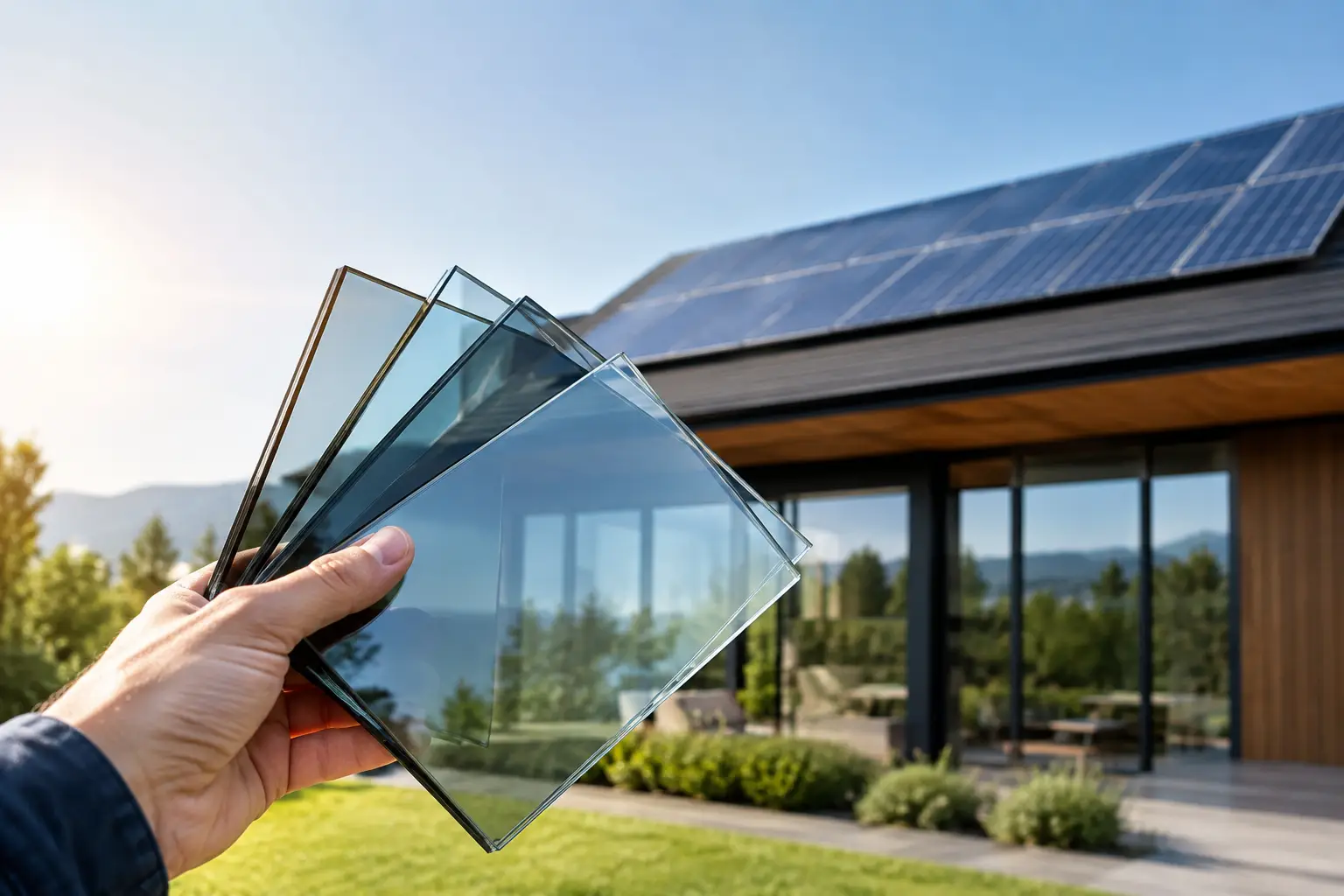
The strongest systems typically combine triple-pane insulated glass units, Low-E coatings, argon-filled chambers, warm-edge spacer technology, insulated multi-chamber frames, and compression seals that remain consistent over time. When those components are engineered to work together, the result is a noticeably warmer interior surface temperature. That matters because people do not only react to air temperature – they also feel the cold radiating from a poorly insulated window.
This is one reason homeowners often say a room feels warmer after replacement windows are installed, even when the thermostat setting has not changed. Better thermal performance reduces those cold zones near the glazing and helps maintain a more even interior climate.
Glass package first, then frame quality
If winter performance is the priority, the glass package should be examined before almost anything else. Triple-pane glass is not automatically the right choice for every project, but in colder climates it often delivers a meaningful improvement over standard double-pane units. The added pane creates another insulating cavity, and when that cavity is combined with argon gas and Low-E coatings, heat loss drops substantially.
Not all Low-E coatings are identical. Some are optimized for colder conditions, where retaining indoor heat is the main objective. Others may balance solar gain differently. This is where specification matters. A premium window should not be sold as efficient based only on pane count. The coating strategy, spacer system, and overall unit design all affect the final result.
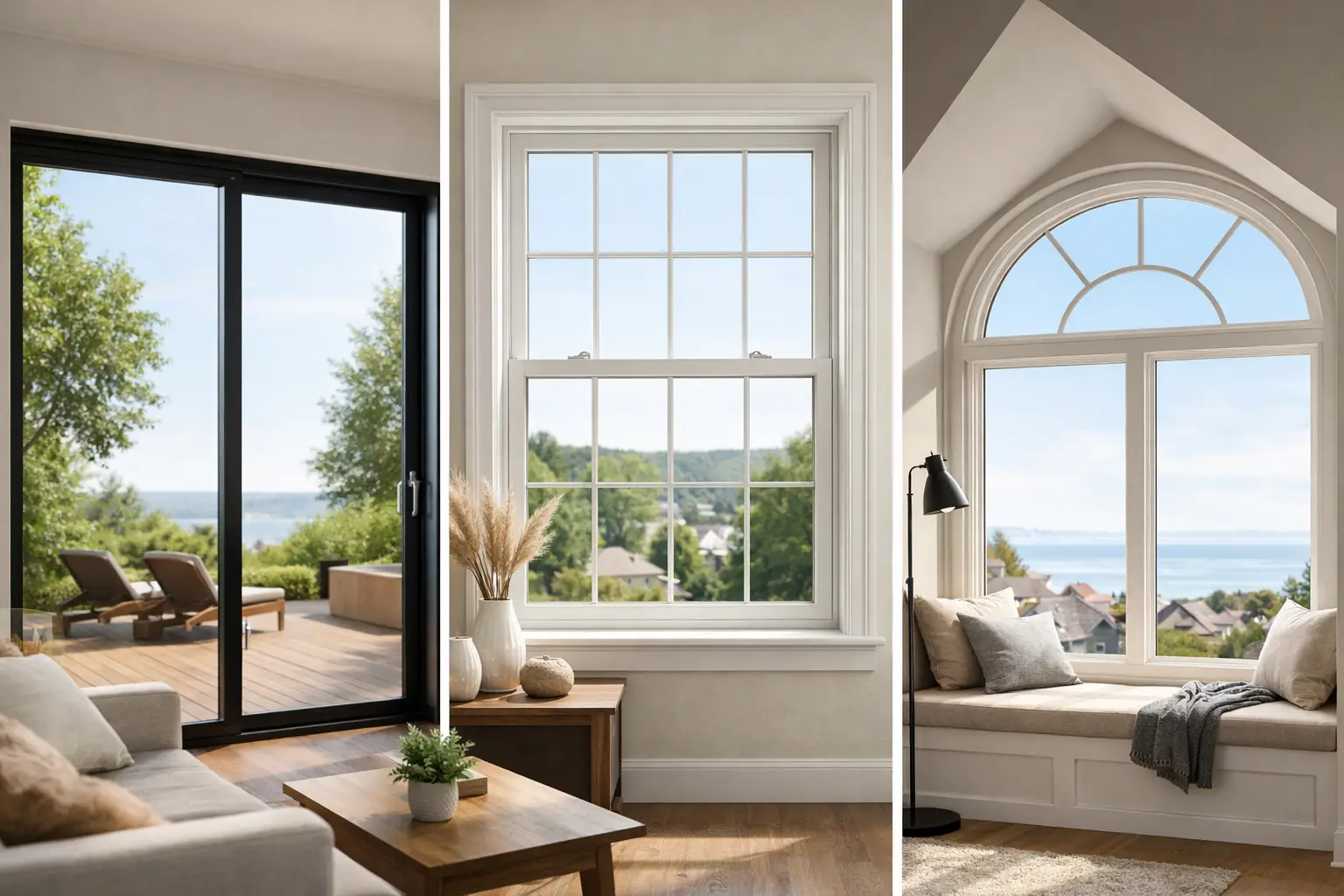
Frame quality is equally important. Reinforced PVC-U profiles and thermally broken aluminum systems can both perform well, but they behave differently. PVC-U generally offers excellent thermal insulation, while aluminum brings slimmer sightlines and greater structural capability for larger openings. In upscale residential work, the right answer often depends on the size of the unit, the architectural language of the home, and the performance target for that elevation.
Why builder-grade windows struggle in winter
Many builder-installed windows are designed to meet minimum requirements, not to deliver exceptional comfort. They may use basic double glazing, lower-grade spacers, lighter hardware, and frames with less thermal sophistication. On paper, they pass. In winter, homeowners feel the difference.
The common complaints are familiar: cold air near the sill, perimeter condensation, inconsistent room temperatures, and a furnace that works harder than expected. Sometimes the issue is age, but often it is baseline product quality. A window can be relatively new and still underperform if it was selected around cost rather than long-term thermal comfort.
Larger homes with more glazing can feel this problem even more sharply. The more glass area you have, the more important specification becomes. Oversized units, corner windows, and panoramic systems require careful engineering to maintain warmth without sacrificing the clean, expansive look clients want.
The role of seals, hardware, and installation
A high-spec glass unit cannot compensate for poor air sealing. This is where European hardware and perimeter gasket systems make a noticeable difference. Multi-point locking and compression sealing help create a tighter closure, reducing infiltration in windy winter conditions. That tighter seal also supports acoustic performance, which is an added benefit for homes near traffic corridors or denser urban areas.
Installation is just as critical. Even an excellent product can underperform if the rough opening is not prepared correctly, the perimeter is not insulated properly, or the air and water sealing strategy is weak. Draft complaints are often blamed on the window itself when the actual problem lies in installation details.
For renovation work, this deserves close attention. Retrofitting into older wall assemblies can reveal hidden issues such as framing irregularities, moisture damage, or insufficient insulation around the opening. A premium result comes from treating the installation as part of the system, not as a separate afterthought.
Choosing the right material for winter performance
There is no single best material in every scenario. The better question is which system best suits the home, the opening size, and the architectural intent.
High-performance vinyl windows built on premium profiles such as VEKA or Kömmerling are often a strong choice for homeowners focused on thermal efficiency, durability, and value at the premium end of the residential market. They offer thick insulated frames, excellent weather resistance, and very good winter performance when paired with a proper triple-pane IGU.
Architectural aluminum systems, including thermally broken options associated with brands such as Aluprof, Reynaers, or Schüco, are often selected for contemporary homes where sightlines, structural capacity, and larger glazed openings matter. The trade-off is that aluminum must be engineered carefully for cold-weather performance. In premium systems, that is addressed through advanced thermal breaks, insulated sections, and high-spec glazing packages.
For homeowners who want expansive views without sacrificing indoor comfort, the answer is rarely material alone. It is the combined performance of frame design, glass build, seal integrity, and expert installation.
Energy efficient windows for winter and condensation control
Condensation is one of the clearest signs that a window is not managing winter conditions well. Sometimes it reflects indoor humidity levels, but window performance still plays a major role. If the interior glass surface gets too cold, moisture in the air condenses more easily.
Better windows keep interior glass temperatures higher. Triple-pane units with warm-edge spacers are especially effective here because they reduce the cold bridge around the edge of the sealed unit, which is often where condensation appears first. Improved frames and tighter seals also help stabilize the temperature around the opening.
That said, even high-performance windows are not immune if indoor humidity is excessive. Homes with humidifiers, limited ventilation, or moisture-heavy daily activity may still see some condensation during extreme cold. The goal is reduction, not magic. A properly specified window makes that issue far less likely and far less severe.
When is replacement worth it?
If your existing windows are drafty, difficult to lock, prone to condensation, or cold enough that the surrounding room is consistently uncomfortable, replacement is often justified on comfort alone. Energy savings matter, but premium window projects are usually about more than utility bills. They improve how the house feels, how quiet it is, and how refined the façade looks from both inside and out.
For custom homes and major renovations, winter efficiency should be addressed early in design. This is especially true for large openings, lift-and-slide doors, and view-focused glazing. Ambitious glass design is entirely possible in cold climates, but it requires stronger product specification from the outset.
For homeowners planning a phased renovation, the rooms with the greatest discomfort usually provide the clearest starting point. Bedrooms over garages, family rooms with large glazed walls, and older front-facing elevations often reveal the biggest gains first.
What to ask before you buy
A serious window supplier should be able to explain the glass build, frame construction, spacer type, gas fill, sealing approach, and installation method in plain language. If the conversation stays vague, the product likely is too.
Ask how the system performs in cold weather, whether triple-pane is recommended for your project, how large the units can be without compromising thermal integrity, and what installation details will be used to control air leakage around the opening. For higher-end homes, this level of discussion is not excessive. It is the baseline for making a premium purchase wisely.
In the right specification, winter windows do more than keep heat in. They make large rooms feel usable near the glass, reduce noise, sharpen architectural lines, and support the kind of comfort that should already exist in a well-built home. If your current windows make winter feel closer than it should, that is usually the clearest sign it is time to expect more from the opening itself.