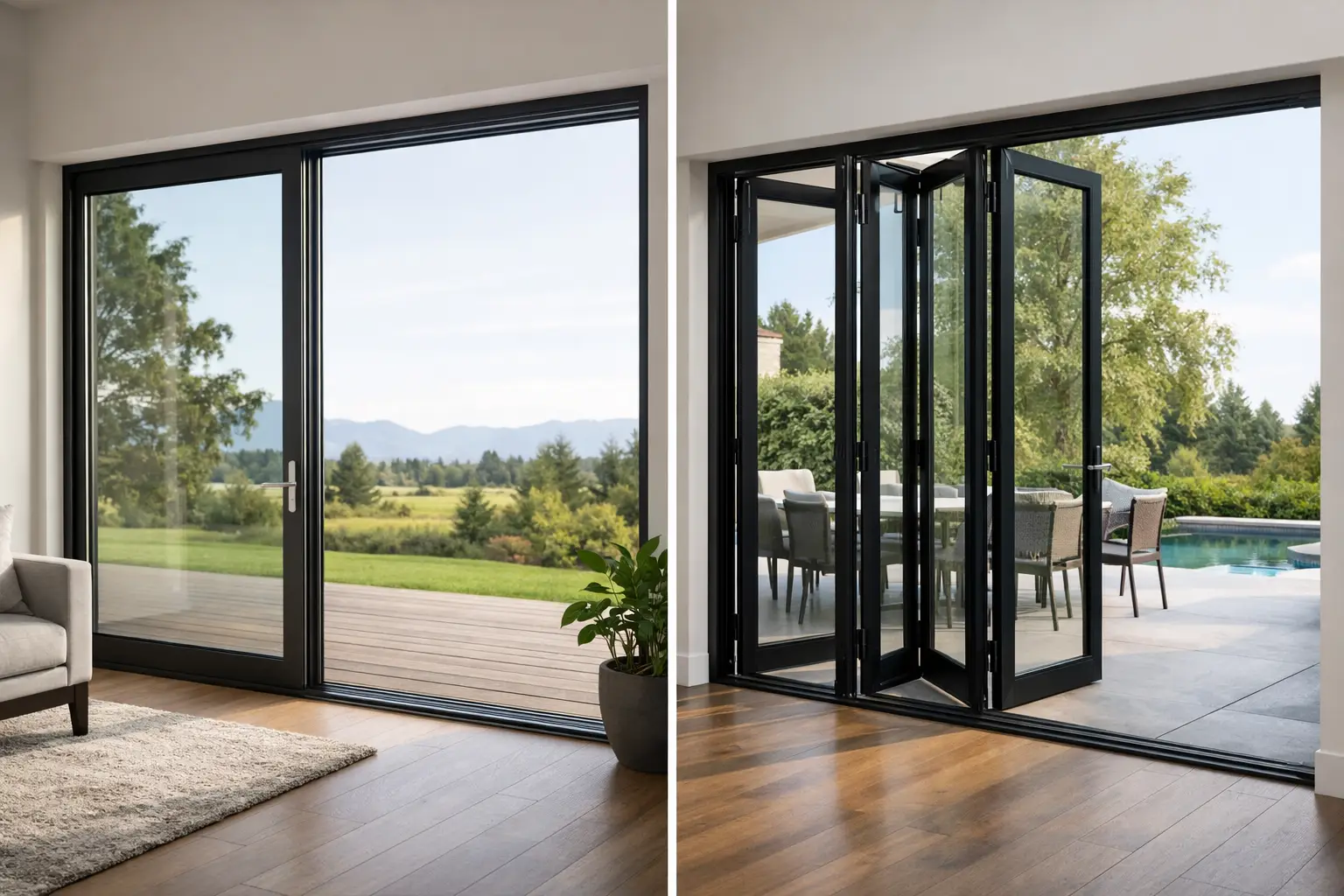
A south-facing living room can feel cold beside a builder-grade window even when the thermostat says 22°C. Street noise travels through the glass, condensation collects around the frame, and the room never quite feels finished. For homeowners planning a serious renovation or custom build, the question is straightforward: are European windows worth it? Often, yes – provided you are buying them for performance, architectural freedom, and long-term comfort rather than simply for a lower upfront price.
European-format windows are not one single product. They are a design and engineering approach built around deeper profiles, multi-point locking, high-performance insulated glass units, precise sealing, and hardware that supports larger and more refined openings. The value depends on the system specification, the quality of installation, and the role the window plays in the home.
Are European Windows Worth It?
For homes in Southern Ontario and similar Canadian climates, European windows can be a highly worthwhile upgrade when standard double-pane products are not delivering the thermal, acoustic, or visual result a project demands. Their strongest case is in exposed homes, large glazed elevations, urban locations, luxury renovations, and new builds where the window package is expected to support the architecture for decades.
The premium is not justified by a continental label alone. It is justified when the system provides measurable improvements: warmer interior glass surfaces, fewer drafts, better air and water resistance, quieter rooms, more secure operation, and slimmer or more disciplined sightlines. A well-specified PVC-U tilt-and-turn window, for example, offers a distinctly different experience from a basic single-hung builder window.
That said, not every opening needs the highest-specification system. A modest secondary bedroom window with limited exposure may not require the same glazing package, frame depth, or hardware as a floor-to-ceiling living-room window facing a busy road. The most effective projects allocate the budget according to orientation, opening size, noise conditions, and architectural importance.
What You Are Actually Paying For
The main difference begins with the frame and glass package. Premium European PVC-U profiles from manufacturers such as VEKA and Kömmerling use multi-chamber construction and reinforcement designed to improve rigidity and thermal performance. Aluminum systems from Aluprof, Reynaers, or Schüco can support expansive openings and cleaner contemporary detailing while using thermal breaks to manage heat transfer through the frame.
Glass is equally important. Triple-pane insulated glass units commonly combine Low-E coatings, argon gas fills, warm-edge spacer technology, and carefully selected pane thicknesses. Together, these components reduce heat loss, improve interior surface temperatures, and help limit condensation risk at the glass edge. In practical terms, the chair beside the window becomes more usable in January, and large windows stop feeling like a compromise made for the view.
European hardware also changes how a window performs day to day. Tilt-and-turn operation allows the sash to open inward for full ventilation or tilt inward at the top for controlled fresh air. Multi-point locking pulls the sash evenly into the seals rather than relying on a single latch. The result is a tighter closure, a reassuring feel in use, and a more substantial level of security than many entry-level window types provide.
Thermal Comfort Matters More Than a U-Value
U-values are essential for comparing window performance, but they do not tell the complete comfort story. A window can meet a code requirement and still leave a cold perimeter around the room if the frame, spacers, glazing, and installation details are not working together.
High-performance European systems are designed to reduce that effect. Better insulated frames and triple-pane glazing raise the interior glass temperature during cold weather. This can reduce radiant heat loss from occupants near the window and limit the cold downdraft that often develops below poorly insulated glazing. Homeowners notice this as a room that feels more even from floor to ceiling, not simply as a lower heating bill.
In summer, Low-E coatings and appropriate solar heat-gain selection help manage unwanted solar load. The right specification is orientation-specific. A heavily glazed west elevation may benefit from stronger solar control, while a south-facing façade may be designed to balance winter heat gain, daylight, and overheating risk. There is no single triple-pane package that is ideal for every side of every home.
Quieter Rooms and Stronger Weather Protection
Noise reduction is another reason European windows are often worth the investment. Glass configuration, air space, frame stiffness, seals, and installation quality all influence acoustic performance. Triple-pane glass alone is not automatically the quietest option, but a properly designed insulated glass unit with asymmetric pane thicknesses can significantly reduce traffic, rail, wind, and neighbourhood noise.
A tightly sealed window also helps protect against wind-driven rain and winter air leakage. This is particularly relevant for homes near Lake Ontario, on exposed lots, or in elevated locations where pressure differences put ordinary windows under more strain. A premium system must still be installed correctly. Even the best frame and glass package cannot compensate for poorly prepared openings, inadequate flashing, or gaps in the air barrier.
Installation is therefore part of the product, not an afterthought. Accurate site measurement, proper shimming and anchoring, compatible sealants, insulated perimeter detailing, and careful adjustment of the hardware determine whether the system performs as designed. For oversized sliding doors and panoramic glazing, this expertise becomes especially critical because the tolerances are tighter and the consequences of movement or water intrusion are greater.
The Architectural Advantage of European Windows
European systems are particularly compelling when architecture calls for larger glass areas, fewer visual interruptions, or more deliberate frame proportions. Contemporary homes often rely on broad openings to connect interiors to gardens, ravines, terraces, or lake views. Standard products can impose limits on sash size, structural capability, and sightline consistency.
Premium aluminum and steel systems can extend those boundaries. They support large fixed units, refined operable sections, lift-and-slide doors, and expansive glazed corners that would be difficult to achieve with conventional residential windows. The goal is not glass for its own sake. It is to preserve daylight and views without accepting a fragile, drafty, or visually heavy assembly.
For renovations, the aesthetic improvement can be just as meaningful. Replacing mismatched white builder windows with a cohesive system, appropriate exterior colour, and cleaner proportions can materially change the character of a façade. Inside, deeper frames, more precise hardware, and larger glazed areas give rooms a more composed architectural finish.
Where the Premium May Not Make Sense
European windows do cost more than standard replacement windows. The initial price can increase further with triple-pane glazing, custom colours, exterior aluminum cladding, oversized units, laminated acoustic glass, and complex installation conditions. Lead times may also be longer for made-to-order systems, especially when a project includes large sliders or specialized entrance doors.
They may not be the right choice if the renovation budget is constrained and the home has larger performance problems to address first, such as an uninsulated attic, failed roof details, or serious foundation moisture issues. In that situation, a well-installed mid-range window paired with broader envelope improvements can be a more sensible first step.
They are also not a substitute for good design. An oversized west-facing wall of glass without shading can overheat, regardless of the window brand. A premium system specified with the wrong glass, inadequate structural support, or weak installation detailing will not deliver its full value. The product, the opening, and the building envelope have to be considered as one assembly.
How to Decide for Your Project
Start by identifying the problem you want the windows to solve. If drafts, condensation, traffic noise, limited opening sizes, and dated appearance are all on the list, a higher-performance European system is likely to deliver visible and daily benefits. If the goal is simply to replace one damaged window in a low-exposure room, a more restrained specification may be appropriate.
Ask for the performance information that matters: whole-window thermal values, glazing composition, Low-E coating position, gas fill, spacer type, air and water performance, frame material, reinforcement, and warranty coverage. For large doors and panoramic openings, review the proposed structural approach and threshold details as carefully as the colour and sightline.
A premium window purchase should also account for the installation team’s experience with European hardware, large glass units, and air-water management. At ECOWIN, the strongest projects are planned around the home’s orientation, opening sizes, façade design, and comfort goals before final system selection begins.
The best window is not necessarily the most expensive one. It is the system that makes the room warmer, quieter, better proportioned, and more enjoyable to occupy – while being specified and installed to perform that way through Ontario winters and summers.