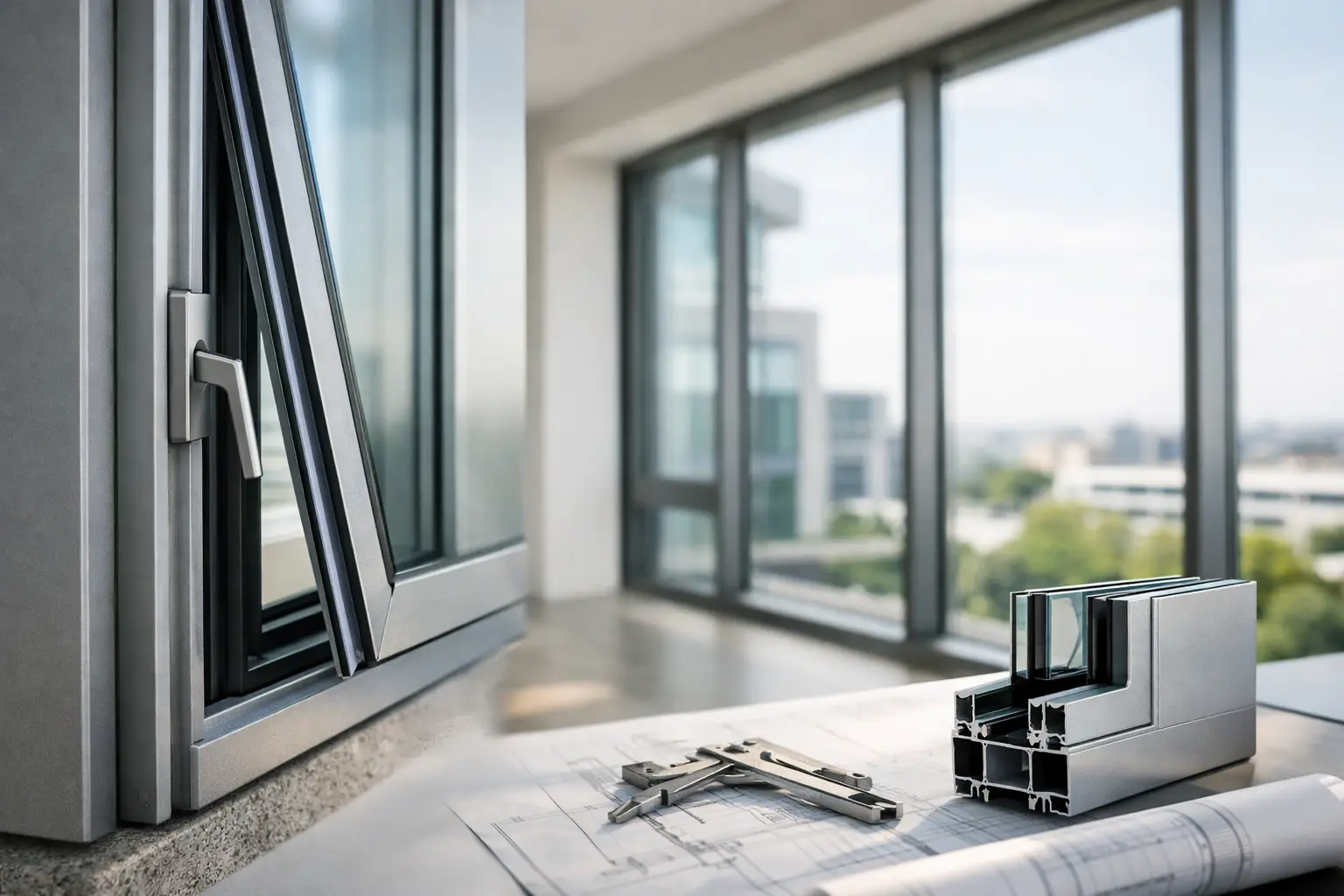
A contemporary façade can lose its impact quickly when the windows are treated as an afterthought. The best contemporary window styles do more than create crisp lines and larger glass areas. They control heat loss, reduce exterior noise, manage solar gain, and support the proportions that make a modern home feel intentional rather than builder-grade.
For custom homes and serious renovations, the decision is rarely as simple as choosing black frames or white frames. Opening type, sightline width, glazing package, frame material, and installation detailing all affect the finished result. A narrow aluminum profile may suit a dramatic lake-facing elevation, while a reinforced PVC-U tilt-and-turn system may be the stronger answer for a bedroom, basement, or high-exposure side wall.
What Defines Contemporary Window Styles?
Contemporary windows are typically defined by restraint: larger areas of glass, fewer visual interruptions, simple geometry, and frames that support the architecture without competing with it. Picture windows, horizontal combinations, floor-to-ceiling glazing, and dark-framed assemblies are common, but the style is not tied to one colour or material.
Performance is part of the design language. A large glazed opening that feels cold in January, develops condensation at the frame, or allows traffic noise into a living room is not a premium result. High-performance contemporary systems use insulated frames, multi-chamber profiles, advanced weather seals, Low-E coated glass, argon-filled cavities, and warm-edge spacers to make expansive glazing practical in Southern Ontario conditions.
The most successful specification balances glass area with orientation, structure, privacy, and energy targets. More glass can improve a view and bring in daylight, but west-facing walls may require careful solar control. Oversized units may also need engineered support and specialized installation planning. Good design is measured in comfort as much as appearance.
Tilt-and-Turn Windows for Clean, Flexible Design
European tilt-and-turn windows are one of the most adaptable choices for contemporary homes. In the closed position, multi-point locking hardware pulls the sash firmly against the seals, creating a notably tighter barrier than many conventional North American operating windows. This is valuable in exposed locations, near busy roads, and in rooms where winter drafts have been a persistent problem.
The handle controls two functions. Turn it one way and the sash opens inward like a casement window for full ventilation. Turn it another way and the top tilts inward for controlled, secure airflow. That dual operation is particularly useful in bedrooms, kitchens, and upper-level spaces where homeowners want ventilation without leaving a large opening exposed.
From the exterior, tilt-and-turn units can be configured in broad, orderly elevations with consistent frame lines. Reinforced PVC-U systems from established European profile platforms such as VEKA or Kömmerling provide strong thermal performance and a refined finish, while aluminum versions can reduce visible frame width where the design calls for a more minimal expression.
The trade-off is interior clearance. Because the sash opens inward, furniture placement and window treatments need to be considered early. This is a small planning requirement, but it should not be ignored on compact floor plans.
Fixed Picture Windows for Views and Daylight
Fixed windows are the foundation of many contemporary elevations because they provide the cleanest possible sightlines. Without hinges, operating hardware, or sash overlap, they can accommodate larger glass areas and maintain a calm, uninterrupted façade. They work especially well in great rooms, stairwells, dining spaces, and view-oriented principal suites.
A fixed unit should not automatically be treated as a lower-specification window. Large panes require the right glass build-up, frame engineering, and setting blocks to manage weight and deflection. Triple-pane insulated glass units can substantially improve interior glass temperatures during cold weather, making it more comfortable to sit near a window wall while reducing the likelihood of condensation under normal indoor humidity conditions.
Where ventilation is required, a fixed centre panel can be paired with narrower operable units at the sides. This creates a strong, balanced composition while retaining airflow. The result is often more architectural than filling an entire opening with multiple small operating sashes.
Contemporary Window Styles With Aluminum Frames
Architectural aluminum is often selected when a home needs expansive glazing, slim visible profiles, or a precise modern grid. Premium thermally broken aluminum systems from brands associated with Aluprof, Reynaers, and Schüco are engineered for projects where standard vinyl windows are visually or structurally limiting.
The key term is thermal break. Aluminum itself conducts heat readily, so a high-quality residential aluminum frame separates the exterior and interior metal sections with an insulating polyamide barrier. Combined with advanced triple-pane glazing, this construction delivers a far different result from older aluminum windows known for cold frames and heavy condensation.
Aluminum is particularly appropriate for oversized fixed windows, curtain-wall-inspired assemblies, corner glazing, and tall openings that align with contemporary rooflines. It also holds its shape well across broad spans, helping preserve tight reveals and consistent sightlines.
Its premium comes in both material cost and project complexity. Aluminum systems demand accurate site measurements, well-planned transitions, and experienced installation. They are a specification-led product, not a commodity replacement window.
Black Frames Need a Performance Conversation
Black window frames remain a defining feature of contemporary residential design, but colour should be evaluated alongside material and exposure. Dark exterior finishes absorb more solar heat, particularly on south- and west-facing elevations. Quality systems are designed to accommodate thermal movement, yet sizing, reinforcement, expansion allowances, and installation tolerances still matter.
Inside, black frames create visual definition and can echo steel stair railings, lighting, or door hardware. On smaller windows, however, a dark frame can appear heavier than expected. Slim aluminum profiles or carefully proportioned PVC-U systems help retain the desired contrast without crowding the glass.
Horizontal Windows and Clerestory Glazing
Long horizontal windows are an effective way to bring daylight into contemporary homes while protecting privacy. They work above kitchen counters, beside stair landings, along bathroom walls, and beneath roof overhangs. Their orientation can emphasize the horizontal lines of a low-slope roof or a modern brick-and-stucco façade.
Clerestory windows take this principle higher, placing glass near the ceiling to admit daylight while leaving wall space below for furniture, art, or cabinetry. In a two-storey great room, they can brighten the interior without exposing the home to neighbouring sightlines.
These openings require careful detailing because their position makes them harder to service after completion. The right operating method, insect screen access, interior shading strategy, and exterior flashing should be resolved before fabrication. A fixed clerestory unit may be ideal where daylight is the priority, while motorized or manually operated options may be justified where natural ventilation is essential.
Sliding and Panoramic Glass Systems
For rear elevations that open onto terraces, pools, or landscaped gardens, panoramic sliding systems can transform the relationship between the house and outdoors. Large-format lift-and-slide doors use specialized hardware to raise the sash slightly off its seals when operated, then lower it into a tightly compressed position when closed. This allows substantial panels to move smoothly while maintaining strong weather resistance.
The style is unmistakably contemporary: wide glass panels, minimal interruptions, and a threshold that can be detailed for a low-profile transition. Yet the engineering behind it is significant. Glass weight, panel size, sill drainage, structural support, and the connection between door frame and wall assembly must all be coordinated.
A multi-panel slider is not always the best answer. In some spaces, a large fixed window beside a more modest operable door achieves similar views at a lower cost and with better furniture flexibility. The right choice depends on how often the opening will be used and whether the priority is circulation, ventilation, or visual connection.
Choosing the Right Frame Material
PVC-U and aluminum are both valid contemporary options, but they solve different problems. Reinforced PVC-U provides excellent insulation, strong acoustic performance, and cost-efficient thermal value. It is often the practical choice for whole-home replacements, bedrooms, and renovations where comfort is the central objective.
Aluminum offers sharper profiles, larger possible formats, and greater architectural freedom. It is often selected for statement elevations, oversized openings, and homes with a deliberate minimal aesthetic. Hybrid compositions are also common: high-performance PVC-U windows where thermal efficiency and budget discipline matter most, with aluminum systems reserved for feature glazing and panoramic doors.
The glazing specification deserves equal attention. Triple-pane insulated glass, Low-E coatings selected for the façade orientation, argon gas fill, and warm-edge spacers can have more influence on everyday comfort than a finish colour alone. A premium window is a complete system, not simply an attractive frame around glass.
A well-specified contemporary window should make a home feel quieter on a windy night, warmer near the glass in February, and more connected to the view every day. Start with the architectural intent, then choose the frame, glass, and opening configuration capable of delivering it for decades.